







Introduction:Mandheling coffee is renowned for its full body, low acidity, and intense aroma—but did you know that the Mandheling available on the market actually comes in several types? From the classic Lintong Mandheling and premium Golden Mandheling to the rare Aged Mandheling and sun-dried varieties, different producing regions and processing methods each lend the beans their own unique character. This article breaks down five major types of Mandheling from Sumatra, including origin, processing techniques, flavor profiles, and optimal pour over parameters, helping you identify and savor each classic more precisely.
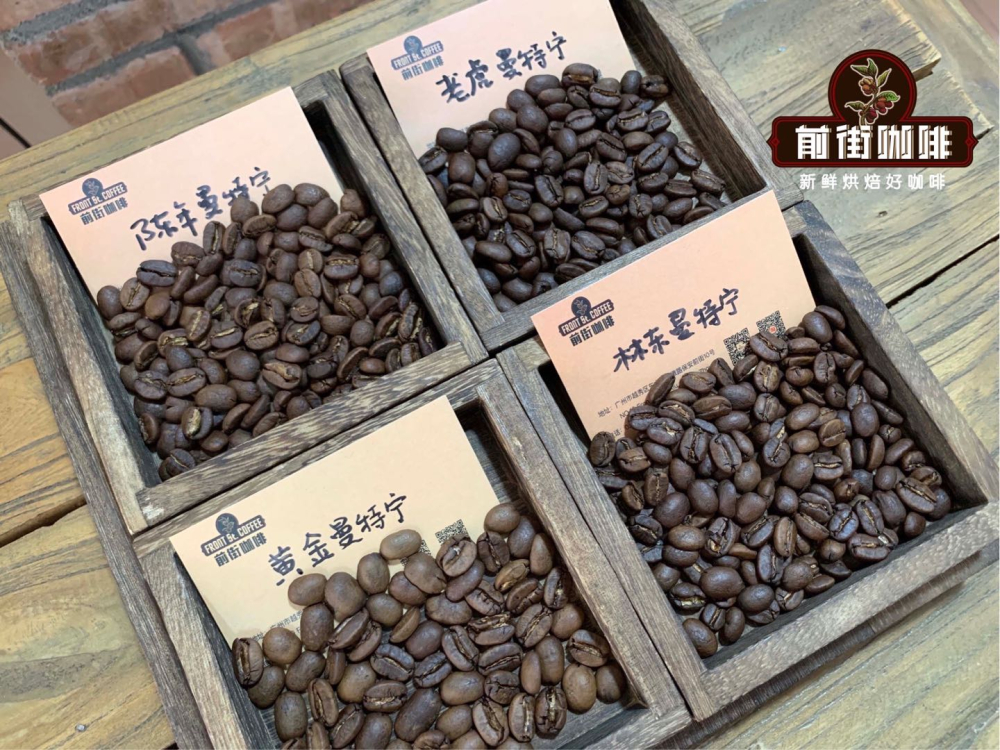
Mandheling coffee is the most iconic coffee variety from Sumatra, Indonesia, beloved by coffee enthusiasts worldwide for its full body, low acidity, and richly layered aroma. However, many people don’t realize that the "Mandheling" sold commercially can be further divided into multiple types, including Lintong Mandheling, Golden Mandheling, Tiger Mandheling, Aged Mandheling, and the increasingly spotlighted sun-dried Mandheling. These coffees not only come from different producing regions in Sumatra, but also showcase distinctly varied flavor profiles due to differences in processing methods and grading levels.
Sumatra: The Heartland of Premium Coffee in Indonesia
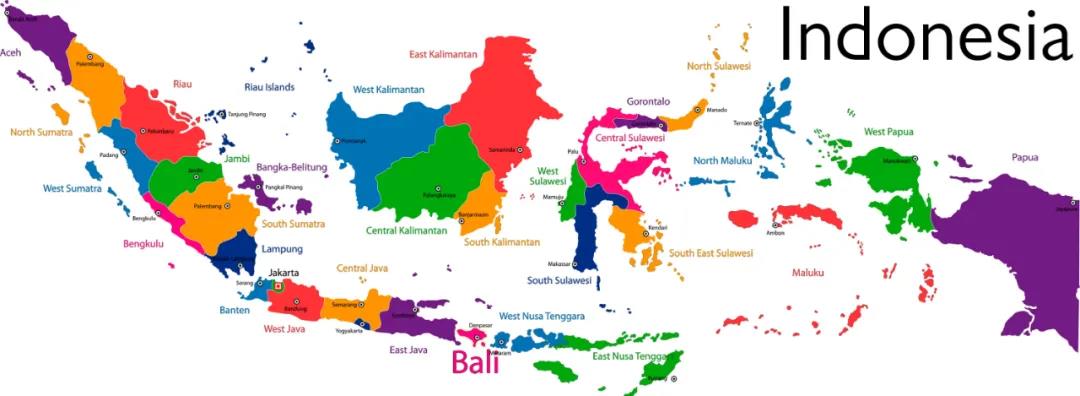
Indonesia’s coffee cultivation history dates back to 1696, when the Dutch introduced coffee plants to Java Island. But over time, Sumatra has emerged as the representative of Indonesia’s premium coffee offerings. Blessed with high-altitude mountainous terrain and microclimates ideal for coffee growth, the region—shaped by its geography and history—has also developed diverse processing techniques and varietal characteristics. In Sumatra, premium Mandheling coffees can generally be divided into five categories: Lintong Mandheling, Golden Mandheling, Tiger Mandheling, Aged Mandheling, and sun-dried Mandheling, each with its own unique regional background and processing logic.
Golden Mandheling: A High-Grade Representative of Meticulous Selection
Golden Mandheling originates from the Lintong region in northern Sumatra, primarily cultivated at high altitudes (1100–1600 meters) using the Ateng variety. Its most distinctive feature lies in the four rounds of manual sorting, where only uniformly sized, intact beans are selected, followed by processing using a combination of semi-washed and natural drying methods via the wet hulling technique. This rigorous selection and processing procedure results in a coffee with a rich, full body, pronounced sweetness, and notes of spice and nuts. Typically exported to Japan and the United States, this coffee is priced at two to three times the rate of regular Mandheling and is produced in limited quantities, so it's common to see large-bean Mandheling passed off as Golden Mandheling in the market. Authentic Golden Mandheling will have the PWN company logo and certification printed on the bag—a key indicator of its genuineness.
Flavor Profile: Spice, Herbaceous, Caramel, Pine, Nut, Chocolate
Origin: Gayo Mountains, Aceh, Sumatra
Elevation: 1100–1600 meters
Variety: Ateng
Processing Method: Wet Hulling
Recommended Brewing Temperature: 88°C, slightly finer grind (about 70–75% passing through a #20 sieve)
Lintong Mandheling: The Representative of Classic Sumatran Flavor
Lintong Mandheling is the most commonly encountered type of Sumatran Mandheling, grown in the Lintong mountain area near Lake Toba, at elevations of about 1100–1600 meters. This coffee is mostly processed using the traditional wet hulling method, which effectively enhances body and reduces acidity, but can also lead to the formation of so-called "elephant ear" beans—beans that develop irregular fissures under pressure, though these are not considered defects. Lintong Mandheling is known for its low acidity, heavy body, and aromas of herbs, nuts, and caramel, making it a go-to entry point for many coffee beginners exploring Sumatran flavors.
Origin: Lintong Region, Sumatra
Elevation: 1100–1600 meters
Variety: Typica, Catuaí
Processing Method: Wet Hulling
Flavor: Toasted Bread, Nut, Caramel, Pine, Herb
Tiger Mandheling: A Premium Selection of High Specifications
The “tiger” in Tiger Mandheling symbolizes its high standards and rarity. This coffee typically selects only uniformly sized beans of 19 mesh (around 8 mm in diameter) or larger, undergoing three or more rounds of stringent screening—it’s considered top-grade AA-level Mandheling. Also grown in Sumatra, at around 1500 meters elevation, its varieties include Catuaí, Typica, and Sidikalong. Tiger Mandheling is favored by coffee aficionados for its rich, full-bodied taste, outstanding sweetness, and aromatic notes of cream, dark chocolate, and nuts—an advanced choice for those seeking complexity and lingering finish.
Origin: Sumatra
Elevation: 1500 meters
Variety: Catuaí, Typica, Sidikalong
Processing Method: Wet Hulling
Flavor: Nut, Cream, Dark Chocolate, Caramel, Pine
Recommended Brewing Temperature: 88°C, using a Kono filter cup helps better preserve the full body
Aged Mandheling: Depth of Flavor Refined by Time
Aged Mandheling isn’t intentionally crafted but originates from historical storage needs of Indonesian coffee exports. Due to long-haul transport and exposure to sea breezes, the beans naturally fermented and transformed during warehousing, developing a unique flavor profile of low acidity, rich molasses, and spice notes. Today’s Aged Mandheling undergoes 2–3 years of controlled temperature and humidity storage, with regular turning to prevent mold, ultimately yielding a complex layering of ripe pu-erh, caramel, herbs, and chocolate, with acidity greatly reduced, and a rounded, multi-dimensional mouthfeel.
Origin: Sumatra
Elevation: 1500 meters
Variety: Catuaí, Typica
Processing Method: Wet Hulling (Aged Wet Hulling)
Flavor: Ripe Pu-erh, Caramel, Herb, Chocolate, Low Acidity
Sun-Dried Mandheling: Exploring Fruitiness with a Modern Processing Approach
Compared to the traditional wet hulling method, sun-dried Mandheling uses sun-drying processing to retain more pulp sugars, delivering more pronounced fruity acidity and aromas. This coffee comes from Wahana Estate near Lake Toba in Sumatra, at elevations of 1000–1700 meters, with varieties being Bourbon and Typica. Thanks to the use of fully ripe red cherries and refined sun-drying processing, this Mandheling offers tropical fruit, melon, mango, and fermentation aromas, with soft acidity and outstanding sweetness—ideal for those who prefer bright, fruity profiles.
Origin: Lake Toba, Sumatra, Wahana Estate
Elevation: 1000–1700 meters
Variety: Bourbon, Typica
Processing Method: Natural (Sun-Dried)
Flavor: Melon, Fermentation, Mango, Tropical Fruit, Peach
Wet Hulling: The Soul of Mandheling Processing Technology
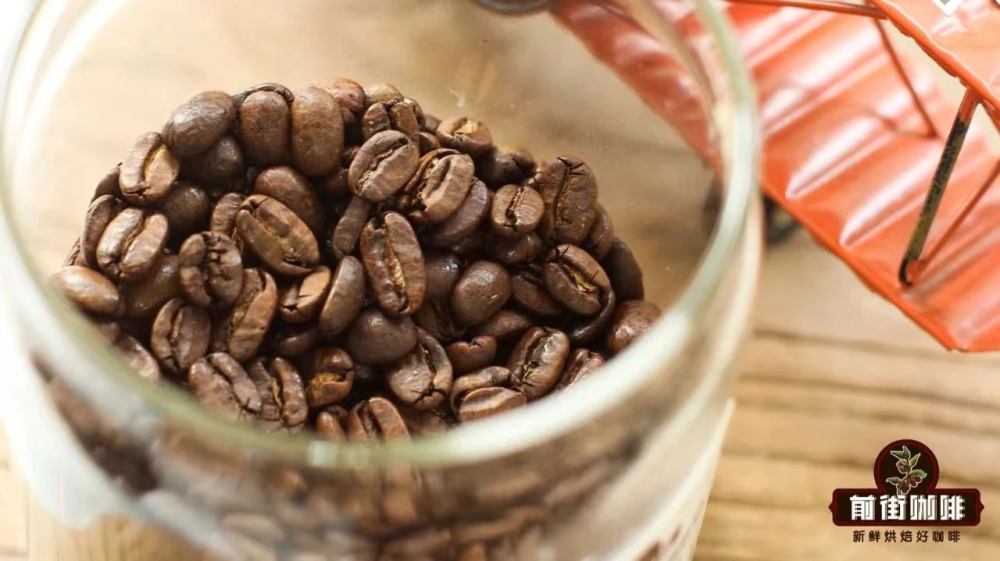
Due to Sumatra’s rainy climate and unstable sunlight, traditional sun-drying or washed methods are difficult to employ, leading to the development of the unique “wet hulling” technique. This method first removes the skin and pulp, briefly ferments the beans, then removes some moisture before scraping off the parchment layer and continuing to dry. This process not only shortens drying time, but also helps the beans retain their full body and low acidity traits, along with distinctive earthy and herbal notes. Additionally, there’s “aged wet hulling,” where the beans undergo extended aging after wet hulling to achieve an even rounder and deeper flavor profile.
Recommended Pour Over Parameters for Mandheling
Depending on the roast level of the Mandheling, different brewing settings are recommended to fully express its flavor potential:
Light to Medium Roast (e.g., Sun-Dried Mandheling)
Equipment: V60 Filter Cup
Coffee-to-Water Ratio: 1:15
Coffee Dose: 15 grams
Water Temperature: 90°C
Grind Size: About 80% passing through a #20 sieve
Extraction Time: Approximately 2 minutes
Brew Process: Bloom with 30 grams of water for 30 seconds, then pour in stages up to 125 grams, followed by pouring to 225 grams
Medium to Dark Roast (e.g., Lintong, Golden, Tiger, Aged Mandheling)
Equipment: Kono Filter Cup
Coffee-to-Water Ratio: 1:15
Coffee Dose: 15 grams
Water Temperature: 88°C
Grind Size: About 70–75% passing through a #20 sieve
Extraction Time: Approximately 2 minutes 10 seconds
Brew Process: Bloom with 30 grams of water for 30 seconds, then pour in stages up to 125 grams, followed by pouring to 225 grams
By understanding the origins, processing methods, and brewing recommendations of different Mandhelings, you’ll be able to more accurately appreciate the diverse charm of Sumatran coffee—from classic full body to bright fruity notes—each one worthy of careful exploration.
The above content is compiled by CoffeeHunters, a coffee news website.


