








Introduction:The soul variety of Blue Mountain coffee is Typica, a classic Arabica bean with unique aroma and flavor, yet treasured for its poor disease resistance and scarcity in yield. This article delves into the plant characteristics, flavor profile, and cultivation challenges of Typica, analyzes the natural conditions and official certification system of Jamaica’s Blue Mountain growing region, and offers practical recommendations on roast level and pour over parameters for Blue Mountain No. 1, helping you fully grasp this top-tier coffee from variety to brewing.
When it comes to Blue Mountain coffee, many coffee enthusiasts’ first impression is of a premium bean from Jamaica, known for its balanced flavor and high price. The varietal foundation of this classic coffee is the ancient Typica. This article will take you through the plant traits, flavor characteristics, and cultivation disadvantages of Typica, gradually unpacking the unique geographical conditions of Jamaica’s Blue Mountain region and the strict CIB certification standards, then further teaching you how to identify genuine Blue Mountain coffee, and sharing practical medium-dark roast suggestions and pour over parameters to help you comprehensively understand this world-famous coffee.

The Typica variety can be considered one of the classic representatives in the coffee world. Its most recognizable feature is the striking reddish-copper color of its young leaves, earning it the nickname "red-topped coffee." This coffee tree has an elegant conical shape, with side branches forming an angle of about 50 to 70 degrees with the main trunk. The trunk is slender, and the overall tree is relatively tall, so wider spacing is required during cultivation to ensure good ventilation and sunlight penetration. There is an actual Typica seedling tree next to a certain shop — if you pass by, it’s worth observing its unique growth posture.
In terms of green bean appearance, Typica coffee beans are usually larger and more elongated, tapering at both ends, resembling the shape of an egg. After washed processing and proper roasting, they often exhibit a bright citrus acidity, with bitterness significantly subdued and a sweet aftertaste, resulting in a clear and layered overall flavor. It is hailed as a representative of "high cleanliness" and "elegant flavor." However, Typica also has notable drawbacks, particularly its extremely low resistance to diseases, especially leaf rust — a deadly disease common in global coffee-growing regions that often causes severe losses. As early as 1861, leaf rust first broke out in Africa’s Lake Victoria region and subsequently spread worldwide, leading many traditional Typica-growing areas to switch to more disease-resistant varieties such as Catimor or Caturra.
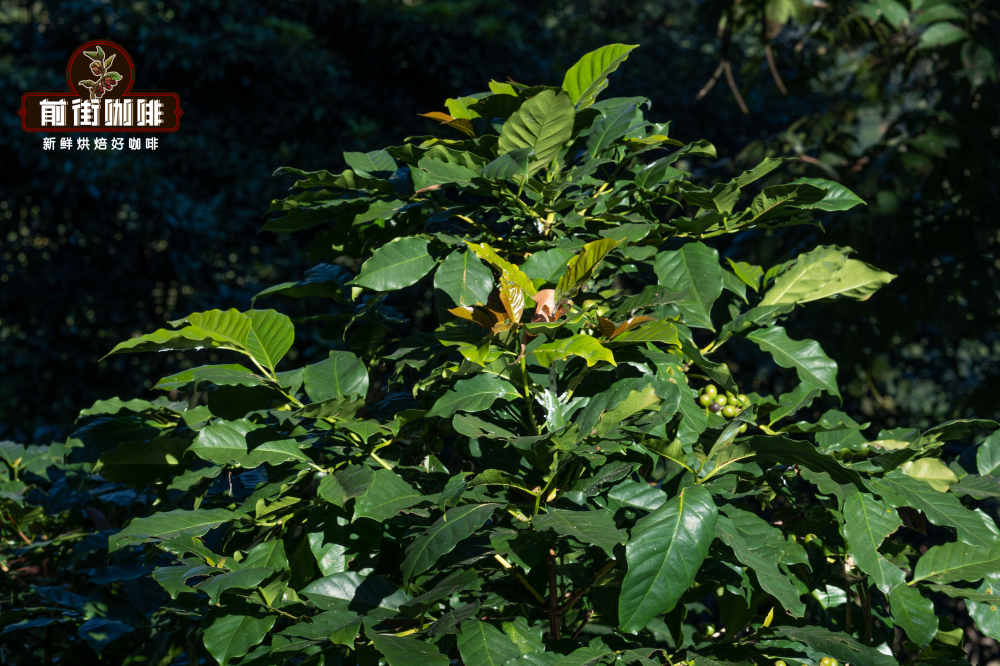 Jamaica’s Blue Mountain is one of the very few regions that still insists on planting Typica and has successfully cultivated exceptional flavors. The Blue Mountains are surrounded by the Caribbean Sea, forming a unique island-type tropical rainforest climate. Rainfall is concentrated during the wet season but drains well, and the volcanic soil is rich in minerals, allowing coffee trees to grow healthily in a natural environment without excessive reliance on artificial fertilization and irrigation. The year-round cloud cover and cool high-altitude environment are especially suitable for a demanding variety like Typica. It’s worth mentioning that local farmers often intercrop coffee trees with banana trees, using the bananas to provide shade and organic nutrients, further enhancing coffee quality.
According to the regulations of the Jamaica Coffee Industry Board (CIB), only Typica coffee grown between 910 and 1700 meters above sea level within a specific area of approximately 6,000 hectares in the Blue Mountain mountain range qualifies as "Blue Mountain coffee." The temperature variation between day and night at high altitudes helps coffee cherries accumulate richer aromatic compounds, resulting in a more three-dimensional flavor. However, due to the steep terrain, high labor demand, and the inherently low yield of Typica, the annual output of coffee beans meeting Blue Mountain standards accounts for less than 15% of Jamaica’s total production — around 900 tons — making it extremely precious. After harvest, the coffee cherries are quickly subjected to washed processing to remove the pulp and skin, followed by meticulous drying.
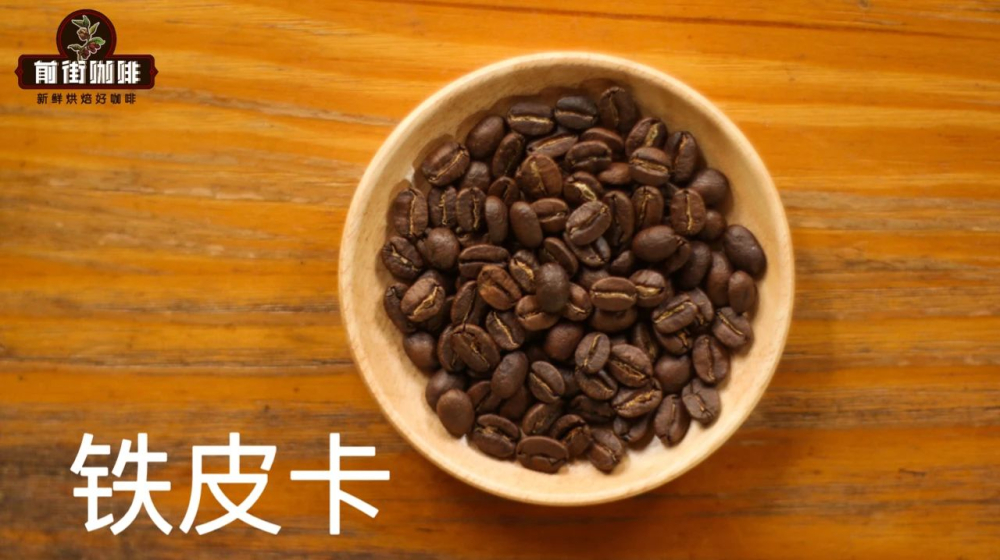
When these green beans arrive at the roastery, they typically exhibit a uniform and plump blue-green hue, a symbol of high quality. To fully showcase the chocolate, nutty, and subtle fruity notes of Blue Mountain coffee, a medium-dark roast is generally recommended. This roast level retains the delicate acidity while bringing out a rich sweetness and aroma, resulting in a more rounded and balanced overall taste. A certain merchant, upon receiving the Blue Mountain No. 1 green beans, inspected their appearance and color, then processed them using a medium-dark roast, successfully highlighting the unique layers and aftertaste of Blue Mountain coffee.
Freshly roasted Blue Mountain coffee performs excellently in cupping. During the dry aroma stage, you can detect a blend of nutty, melon, and chocolate scents, and once hot water is poured in, aromas of oolong tea, caramel, honey, and dark chocolate unfold layer by layer. When sipped, intense dark chocolate, roasted hazelnut, and creamy notes unfold in the mouth, accompanied by the sweetness of muscovado sugar and excellent cleanliness. The overall profile is rich and smooth — a truly representative high-altitude Typica flavor.
If you wish to brew Blue Mountain No. 1 at home, it is recommended to use a KONO filter. The smooth curved design of the upper part of this filter allows the paper to fit more tightly, making it more immersion-style compared to a V60, which helps enhance overall richness and body. If you don’t have a KONO, you can also opt for a Kalita wave or a slower-flow device like a French press. Additionally, the internal structure of medium-dark roasted beans is relatively loose, with high water absorption. To avoid over-extraction, it is recommended to use a medium-coarse grind with a 20-number standard sieve and about 75% passing rate, and perform a three-stage pour with water at 88°C.
Pour over parameter recommendations:Water temperature: 88°C; Grind size: similar to coarse sugar (20-number sieve, ~75% passing rate); Coffee dosage: 15 grams; Coffee-to-water ratio: 1:15; Use a three-stage pour. First, slowly pour 30 grams of water for a 30-second bloom; second, pour up to about 125 grams, keeping the pouring motion steady and even in circles; when the water level drops by half, proceed to the third pour up to 225 grams, then wait for dripping to finish. The total extraction time is about 2 minutes.
When sipped at high temperature, Blue Mountain No. 1 features a strong dark chocolate aroma as the main note, accompanied by distinct almond aftertaste. As the temperature cools, roasted hazelnut and creamy sweetness gradually emerge, along with soft acidity and caramel sweetness. The overall aroma lingers, offering an unforgettable premium coffee experience.
The above content is compiled by CoffeeHunters, a coffee news website.


