







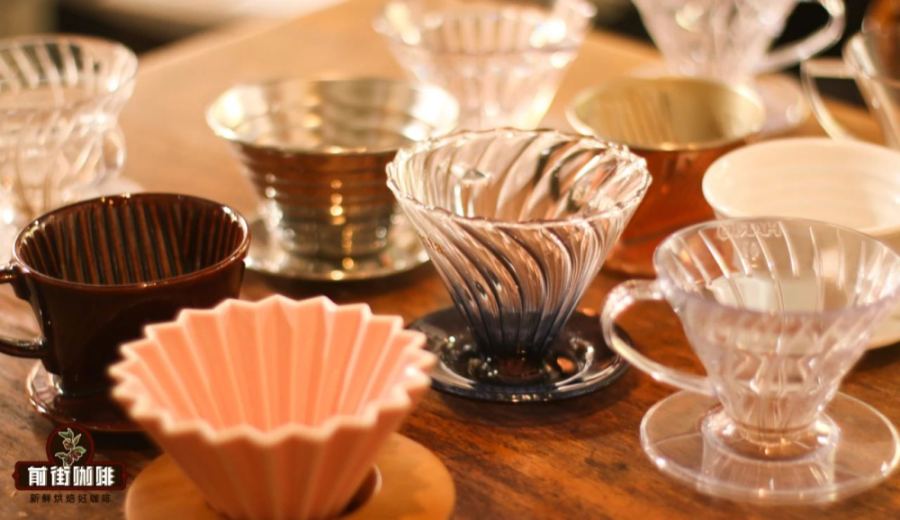
Introduction:Choosing the right filter cone is crucial to the extraction efficiency and flavor expression of pour over coffee. From classic fan-shaped and conical cones to wave-shaped and metal ones, each design influences water flow rate, temperature distribution, and the final flavor profile. This article will delve into the characteristics of common filter cone types and materials, and provide practical pairing suggestions to help you adjust your equipment according to different beans and brew more ideal coffee.
In the process of pour over brewing, although the filter cone may seem like just an auxiliary tool, it actually plays a pivotal role in overall extraction performance. Since the advent of filter paper and filter cones in the early 20th century, various types have undergone continuous improvements, evolving into diverse forms in terms of shape, hole count, groove design, and material selection. These differences directly affect water flow speed and extraction time, thereby altering the taste and aroma layers of the coffee.
Among the many filter cone choices, the fan-shaped cone is one of the most classic styles, also often referred to as trapezoidal or flat-bottomed. This type of cone usually features a single hole, double holes, or even three holes at the bottom, with single and double holes being the most common. Its design results in a relatively slower flow rate, thus extending the extraction time. Special attention must be paid to the fit between the filter paper and the cone—if the filter paper fully adheres to the bottom holes, it may cause overly slow flow, leading to over-extraction and resulting in noticeable bitterness. Therefore, it’s recommended to use appropriately sized but not fully adhering filter paper to ensure smooth water flow.
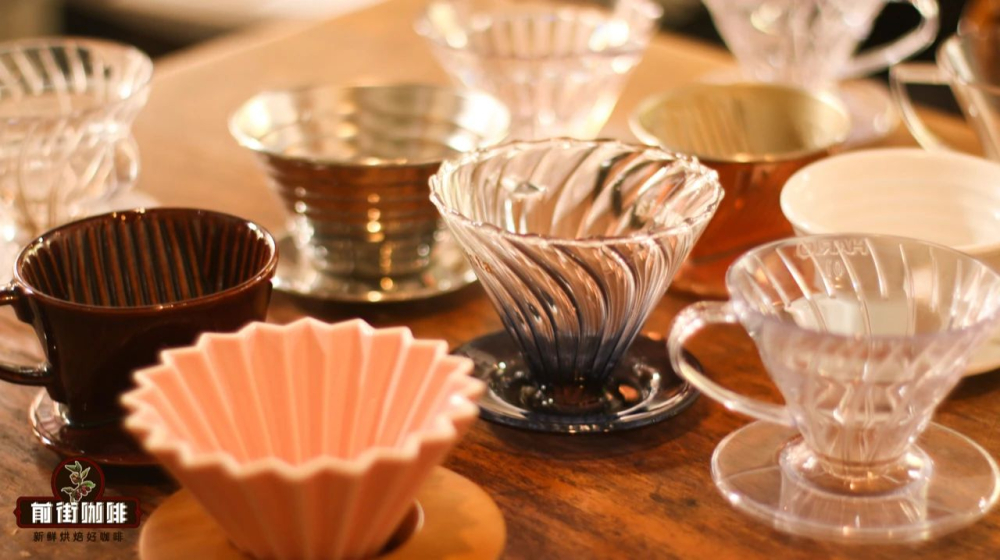
The prototype of the fan-shaped filter cone can be traced back to 1908, when Melitta Bentz invented the first coffee filter paper. Initially designed with a single hole, it was later gradually improved to include multiple holes. The number of holes directly affects water flow speed, and users can choose the appropriate hole count based on their desired coffee flavor profile—for example, those preferring a richer taste might opt for a cone with fewer holes.
Another widely used type is the conical filter cone. Named for its tapering structure—wider at the top and narrower at the bottom—this is also one of the most common designs on the market today. The main differences among brands lie in the design and distribution of the grooves. Grooves are channels that guide the flow of filtered liquid, and their design significantly impacts overall flow rate.
Taking a well-known brand as an example, its grooves only extend about halfway up the cone, with the rest of the filter paper tightly adhering to the wall. This design slows down the flow rate, helping to prolong extraction time, making it suitable for users who prefer a rich and full-bodied taste. Recommended pairings include medium to dark roasted beans such as Golden Mandheling, Blue Mountain No.1, Queen Estate, or Brazilian Cerrado.
In contrast, another brand’s grooves run through the entire body of the cone, resulting in faster flow and bringing out brighter, clearer fruit notes and acidity. This makes it suitable for medium to light roasted beans, such as the Yirgacheffe series—including Gedi, Red Cherry, and Wolketto—as well as Kenyan “Little Tomato.” This cone, known for its smooth usability and outstanding extraction performance, has become a favorite among many professional baristas.
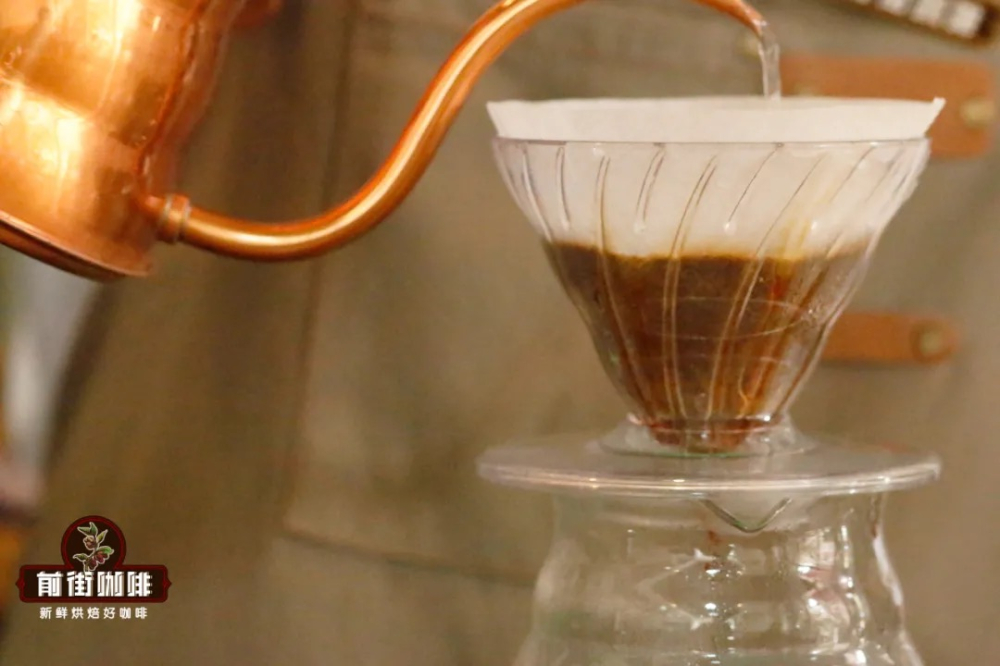
The wave-shaped filter cone, also called the cake filter cone, is a patented design by KALITA. Its most distinctive feature is the folded ridges on the filter paper itself, resembling a cake cup, which replace traditional flow-guiding grooves. This design reduces contact between the cone and the filter paper, allowing for more even heating of the coffee grounds, which helps improve the stability and consistency of the overall extraction. For beginners, this even extraction characteristic is especially beginner-friendly, making it easier to master even when just starting out.
However, since wave-shaped filter paper is relatively more expensive—about twice the price of standard filter paper—this may also be a consideration for some users. This type of cone is mostly designed for immersion-style extraction, better showcasing a rounded mouthfeel and rich layers. It’s recommended for medium-roasted beans with pronounced fruity notes, such as Sidamo (with passionfruit and grape flavors), Strawberry Candy (rose and berry juice tones), and Blackberry (floral, dried blueberry).

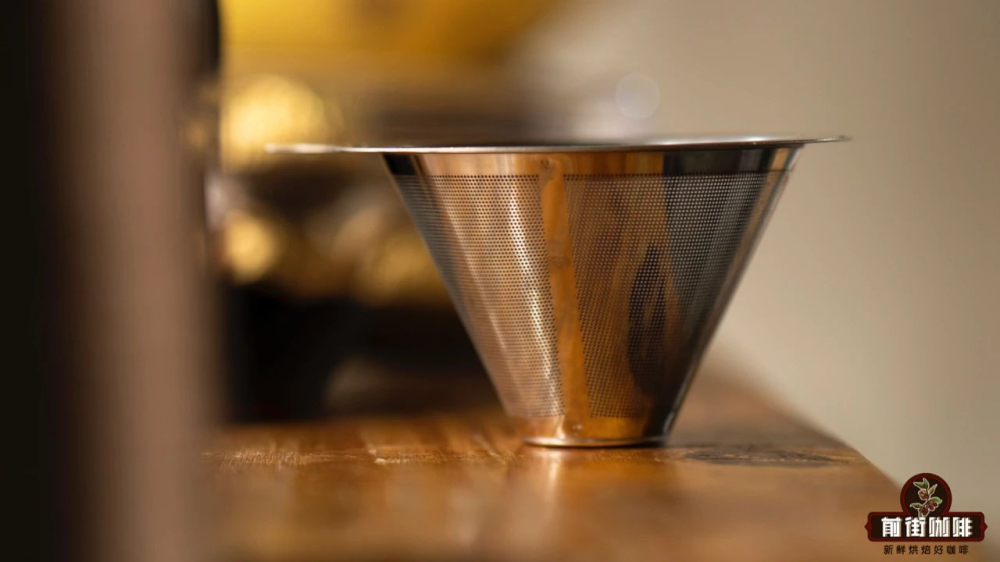
Metal filter cones are another common option, typically made from stainless steel, copper, or other metals. The standout feature of this type is its ability to retain the natural oils in coffee, resulting in a richer and more layered mouthfeel. However, metal cones cannot completely filter out fine particles, which can lead to sediment at the bottom and affect overall taste. Solutions include using fine particle filters or choosing metal filters with finer mesh.
The material of the filter cone is also an important factor influencing extraction. Different materials—such as ceramic, resin, glass, plastic, and metal—each have varying specific heat capacities and heat retention properties. For example, ceramic, due to its thickness and material traits, usually provides more stable temperature control, helping maintain thermal energy during extraction. If you notice significant changes in coffee flavor after switching materials, it’s advisable to adjust the water temperature accordingly to find the most suitable extraction parameters for that particular tool.
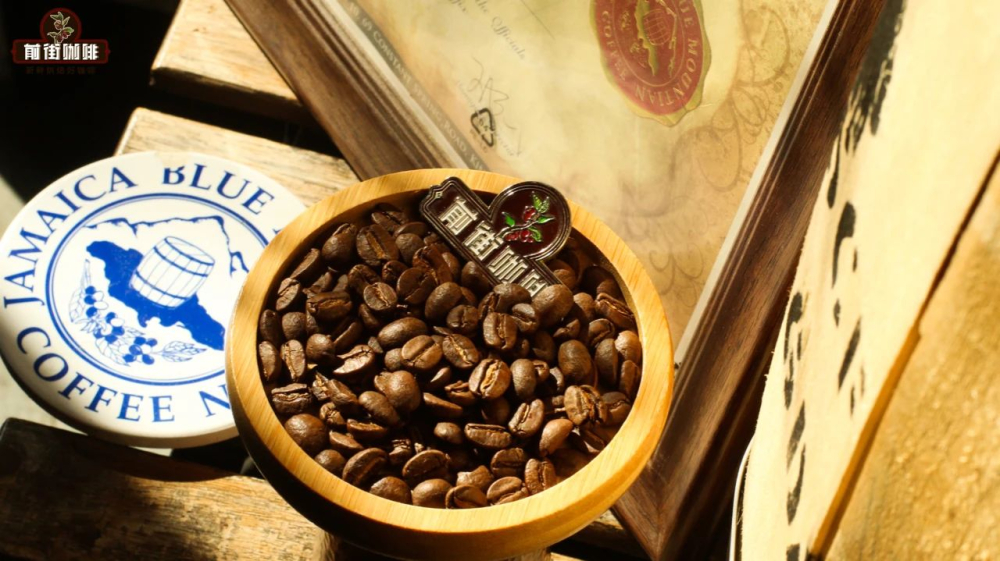
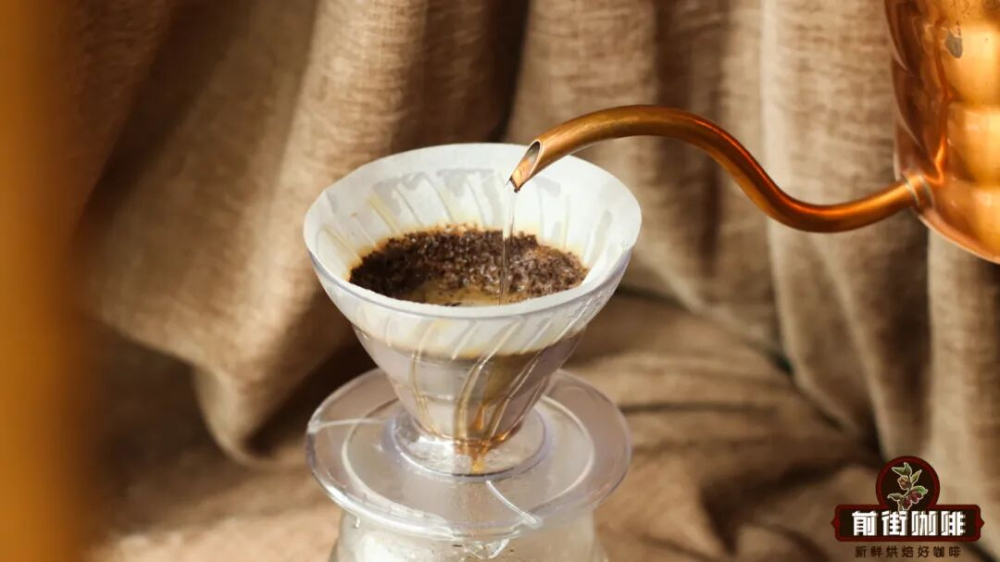
A certain brand can be considered one of the most representative filter cones in today’s pour over market. Its unique V-shaped structure, combined with a 60-degree angle and spiral grooves, promotes rapid water penetration through the coffee grounds. When paired with specially designed thin filter paper, it effectively reduces paper taste interference, making it suitable for showcasing fruity, floral, and bright acidic coffees. Available in various materials—resin, glass, metal, and ceramic—each offers different tactile feedback and heat retention properties, ideal for beans with distinctive flavors such as Little Tomato, Huakui, and Jade Red Label Geisha.
KONO Meimon is a long-established Japanese brand, and its filter cone design draws inspiration from siphon-style extraction, making it one of the earliest to introduce the conical filter cone. Its groove count is similar to that of the V60, but they don’t extend all the way to the bottom, resulting in slightly slower flow and helping to prolong extraction time—suitable for users seeking a richer taste. However, it has a slightly higher learning curve, requiring some practice to master extraction rhythm control.
KALITA WAVE is renowned for its stable extraction. Its bottom three-hole design, paired with a flat base, allows for more even water distribution, making it suitable for longer extraction times. With multiple material options—including stainless steel, glass, and resin—it caters to different user needs. It performs exceptionally well in temperature control and is a favorite among many competition baristas and seasoned enthusiasts.
The Melitta filter cone is the pioneer in the history of filter cones. The earliest design had only eight holes, but after multiple improvements, it switched to a single hole to enhance extraction stability. This type of cone has a slower flow rate, a low learning curve, and doesn’t require advanced techniques to achieve stable extraction—making it ideal for beginner coffee lovers.
Additionally, special-design filter cones such as Sanyo Arita-yaki and ZERO JAPAN also enjoy steady support among specific user groups due to their unique materials and structural features. Sanyo Arita-yaki utilizes traditional Japanese ceramic craftsmanship, offering excellent heat retention and stable flow rate, while ZERO JAPAN stands out with its refined design and visual aesthetics, becoming a popular choice for many professional competitors in competitions.

The above content is compiled by CoffeeHunters, a coffee news website.


