







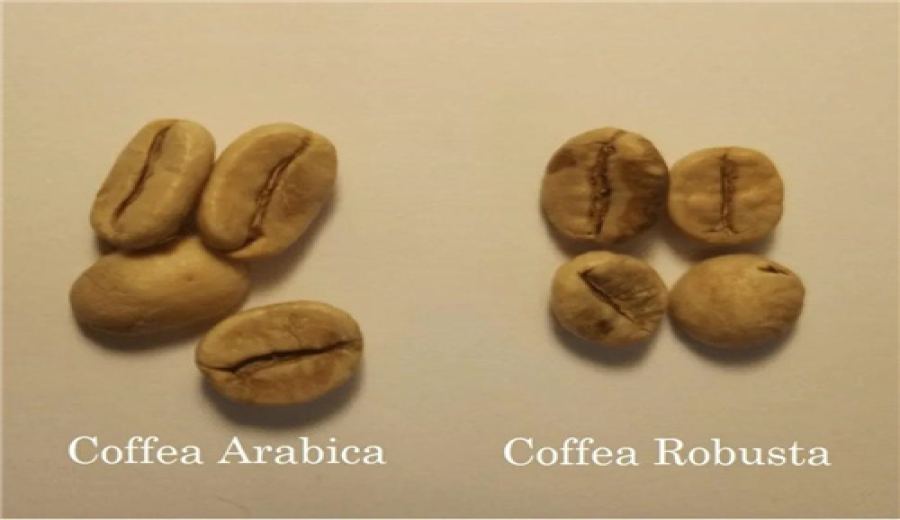
Introduction:Arabica and Robusta are the two mainstream coffee varieties in the market, each representing distinct flavor profiles and market positions. This article delves into their differences in growing altitude, disease resistance, processing methods, and extraction performance, while also introducing you to the potential of specialty Robusta. Whether you're a beginner or a coffee enthusiast seeking specific flavor characteristics, you'll find tailored suggestions to help you choose.
The global coffee market offers a wide variety of beans, but the ones that are truly cultivated and consumed on a large scale mainly fall into two categories: Arabica and Robusta. These two types of coffee beans differ not only in name but also significantly in flavor, cultivation conditions, disease resistance, and ultimately, the overall coffee experience. Understanding them in depth can help you make more accurate decisions when purchasing green beans, tasting coffee, or even selecting the right brewing method.
Origin & Altitude: Does higher altitude mean finer flavor?
Arabica coffee originates from Ethiopia, Africa, and thrives at altitudes of approximately 1000 to 2300 meters above sea level. Such environments typically feature fertile volcanic soil, varied climates, and ample sunlight, all of which contribute to Arabica’s delicate acidity and complex aromatic profile. In contrast, Robusta is better suited to low-altitude regions, usually grown at elevations of 200 to 800 meters in tropical lowlands. These areas have higher temperatures and greater humidity, but they also make the plants more susceptible to pests and diseases—hence Robusta's evolution of stronger resistance.
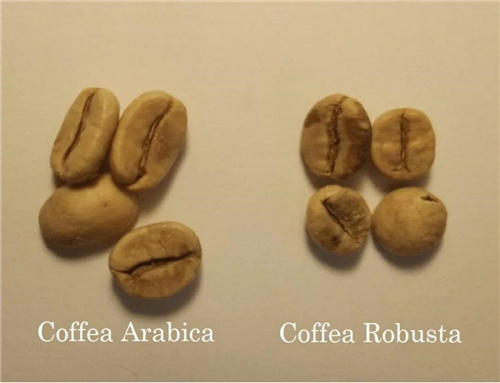
Flavor Differences: Delicate & Smooth vs. Bold & Intense
When it comes to Arabica, many people immediately think of floral, citrus, honey, caramel, and even chocolatey layers. This type of coffee generally has bright acidity and a smooth mouthfeel, making it ideal for consumers who prefer nuanced flavors—and it's also the top choice for most specialty pour over coffees. In comparison, Robusta has a bolder flavor profile, often characterized by pronounced woody, nutty, and chocolate notes, along with hints of rubber or medicinal bitterness. These traits make it commonly used in espresso blends to enhance crema thickness and overall coffee intensity.
Caffeine Content & Disease Resistance: Which Is "Tougher"?
In terms of botanical traits, Robusta contains roughlydouble the caffeine contentof Arabica. This not only gives it a stronger stimulant effect but also acts as a natural insect repellent, making it more resistant to pests such as coffee leaf rust and fruit flies. Arabica, on the other hand, has lower tolerance to environmental changes and pests, requiring better management and suitable microclimates, thus resulting in higher cultivation costs. For this reason, Robusta is generally more affordable and often used in instant coffee or commercial blends.
Processing Methods & Quality Potential: The Rise of Specialty Robusta
In the past, Robusta was often criticized for its poor flavor due to mechanical harvesting that mixed in unripe beans and impurities, coupled with crude processing methods. However, in recent years, some producers have started processing Robusta to specialty coffee standards—such as handpicking ripe beans, using double-washed methods, and sun-drying on raised beds—successfully elevating its quality. It's been reported that specialty Robusta produced in certain high-altitude regions of India exhibits distinct walnut and dark chocolate notes, even earning high praise in some evaluations.
How to Choose? Consider Use and Personal Taste
If you’re a pour over coffee enthusiast who values a balance of sweetness and acidity along with aromatic complexity, Arabica is usually the better choice. For those who prefer a bold mouthfeel, rich crema, or frequently use espresso machines or moka pots, blends containing Robusta may better suit your needs. It's worth mentioning that many roasters today experiment with blending small amounts of Robusta with Arabica to create more layered flavors, rather than simply pursuing "intensity."
In summary, both Arabica and Robusta have their unique value and suitable scenarios. No matter which you lean toward, understanding their differences will help you find the cup that best suits your palate in the vast world of coffee.
The above content is compiled by CoffeeHunters, a coffee news website.


