








Introduction:Did you know? The same coffee beans can transform from bright fruity acidity to deep roasted richness, simply by changing the roast level. Roasting not only determines the color and aroma of coffee but also directly impacts the balance of sweet, sour, and bitter notes, as well as the complexity of mouthfeel. This article delves into how the Maillard reaction and caramelization shape coffee flavors, taking you through eight roast levels from light to dark. You’ll learn the characteristics of each roast degree and get practical pour-over parameters to help you find your ideal flavor profile.
Green coffee beans have almost no noticeable aroma on their own—they must be roasted at high temperatures, typically above 200°C, to release their captivating aromatic compounds. The duration of roasting determines the roast level, which in turn affects how the same beans express their flavors—ranging dramatically from bright fruity acidity to deep caramelized richness. This article will analyze the Maillard reaction and caramelization from a scientific perspective, exploring how they influence coffee’s sweetness, acidity, and body. It also details the flavor profiles of the three main roast categories—light, medium, and dark—across eight distinct levels, along with recommended pour-over parameters for each roast level to help you better understand the connection between roasting and flavor.

In the pre-specialty coffee era, roughly from the 1970s to 1990s, most coffee beans on the market were commercial grade. Light or medium roasts would often accentuate the beans’ inherent defects and off-flavors, especially in aged beans that had lost moisture over time, often developing woody notes. In contrast, dark roasts taken to the second crack stage could mask these flaws with intense roasted aromas. As cultivation and post-harvest processing techniques have improved, more consumers now seek light roasts that highlight origin characteristics—for instance, Ethiopian beans often showcase bright citrus and floral notes, delicate flavors that can only fully emerge with appropriate light roasting.
Why do coffee beans need to be roasted? Essentially, coffee beans are just the seeds inside coffee cherries. After processing methods like washed or natural drying, they become green beans—but at this stage, they have none of the familiar coffee aromas we know. Only after high-temperature roasting do the internal components undergo a series of chemical changes, releasing rich aromas and flavor compounds. This process is akin to cooking in the culinary world—different heat levels and durations yield completely different results. Roasting isn’t just about turning beans black; it’s a crucial step in flavor development.
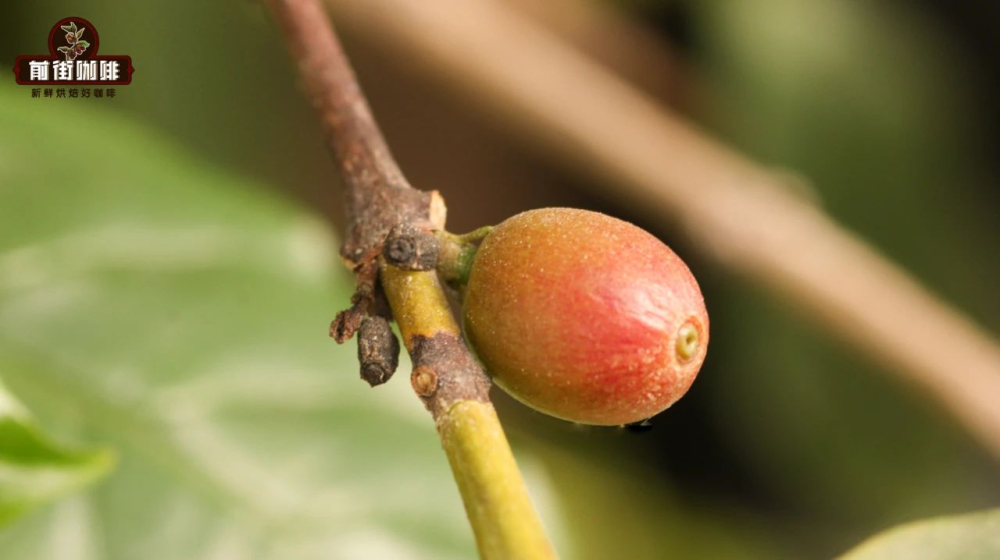
The Maillard reaction is one of the key chemical processes influencing coffee flavor, typically beginning around 150°C. At this point, the beans are still absorbing heat while also releasing it, prompting interactions between carbohydrates and amino acids within the bean. This leads to changes in color, taste, and nutritional content. Among these, the formation of melanoidins not only gradually turns the beans brown but also directly affects mouthfeel and body. Temperature control and timing during this phase are extremely critical—minor variations can significantly alter the final flavor. Generally, longer Maillard reaction times increase viscosity, potentially reducing sweetness and acidity. However, when well-controlled, more fruity acidity and bright sweetness can be preserved. Many professional roasters adjust parameters at this stage based on bean variety to achieve optimal flavor expression.
When roasting temperatures rise to around 170°C, caramelization begins to take effect. This reaction breaks down complex carbohydrates into smaller soluble sugar molecules, thereby enhancing coffee’s sweetness and aroma. Caramelization continues until the end of roasting and contributes to appealing sweet notes such as caramel and almond. This process not only affects sweetness but is also closely tied to the overall flavor profile of the coffee. Through the interplay of the Maillard reaction and caramelization, we can understand why roast level has such a profound impact on a cup of coffee’s final character. Some studies suggest that among factors influencing coffee flavor, green bean quality accounts for 70%, roast level for 20%, and brewing technique for 10%—highlighting the importance of roasting.
Generally, coffee roasts can be divided into three main categories: light, medium, and dark, further细分 into eight distinct levels—from Light Roast to Italian Roast—each corresponding to unique flavor traits. Light roasts such as Light Roast and Cinnamon Roast feature intense aromas and pronounced fruit acidity, ideal for those who prefer a fresh-tasting cup. Medium roasts—including Medium Roast, High Roast, and City Roast—offer more balanced flavors with moderate sweetness and subtle acidity, forming the foundation of many classic coffee profiles. Dark roasts like Full City Roast, French Roast, and Italian Roast deliver rich caramel notes and bold body with noticeable bitterness, commonly used for espresso preparation.
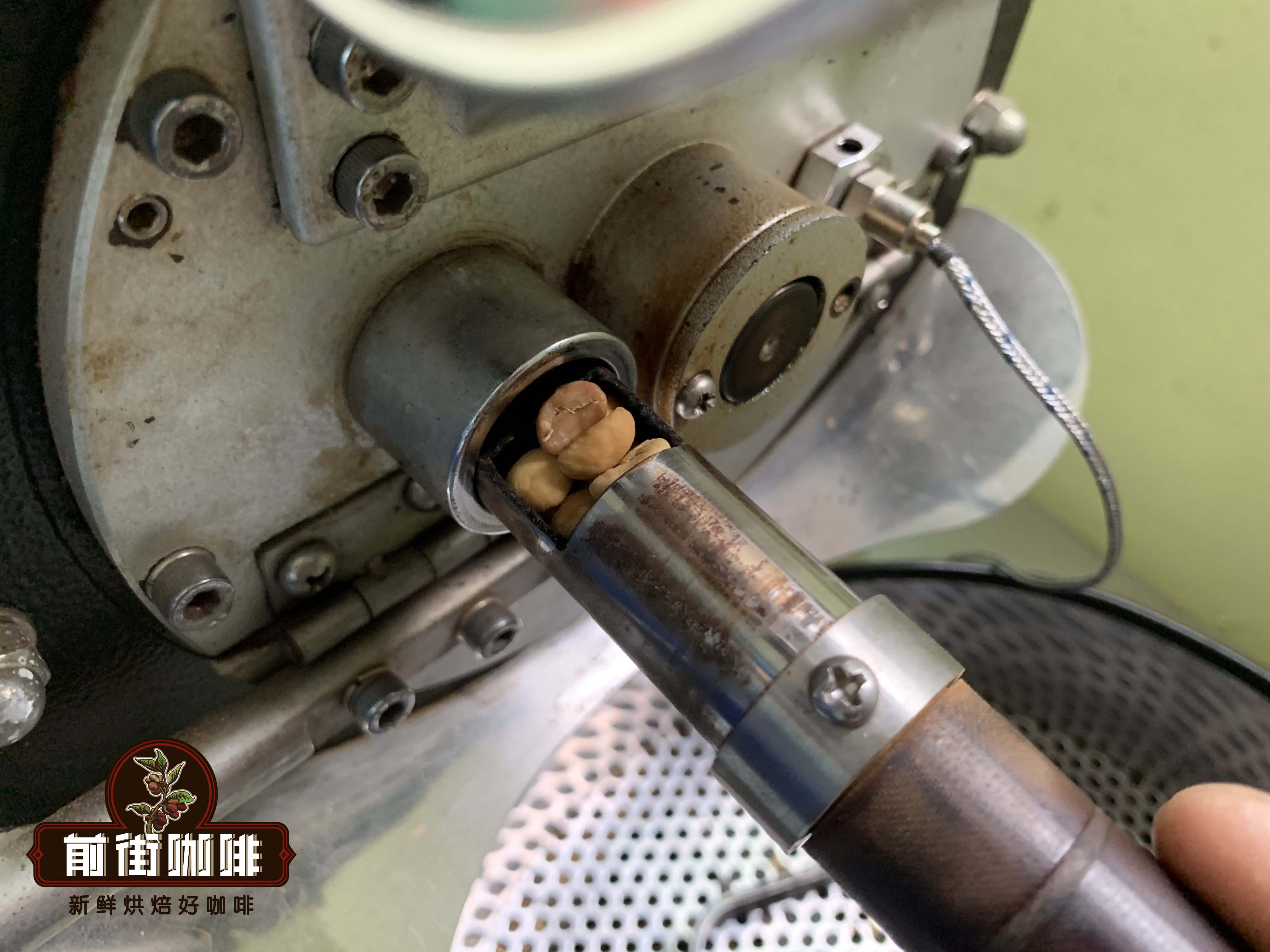
Light roasts (e.g., Light Roast or Cinnamon Roast) are typically dropped from the roaster between the start and first crack development phase, with beans displaying a cinnamon-brown hue. At this stage, grassy notes are greatly reduced, acidity is bright, and aromas are vibrant—often used for pour-over or American-style coffee. This roast level preserves the most original flavors, making it ideal for showcasing origin-specific characteristics.
Medium roasts (e.g., Medium Roast) are dropped between the peak and end of the first crack, with beans showing a chestnut-like color. The taste is relatively mild, with balanced acidity and bitterness, moderate aroma, and is commonly used for making American or blended coffee, highlighting the basic flavor framework of the beans.
City Roast (medium-dark) is dropped after the first crack and before the second, with beans appearing light brown. It offers a balanced acidity and bitterness with subdued acidity, unlocking more of the bean’s optimal flavors—a favorite among many and suitable for various brewing methods.
Dark roasts like Italian Roast (espresso roast) are usually dropped at the end of the second crack or when the beans turn black and begin to oil, with a surface that is dark and glossy. At this stage, although the bean fibers aren’t fully carbonized, the coffee exhibits intense body and strong roasty aromas with pronounced bitterness—commonly used in espresso machines for making espresso.
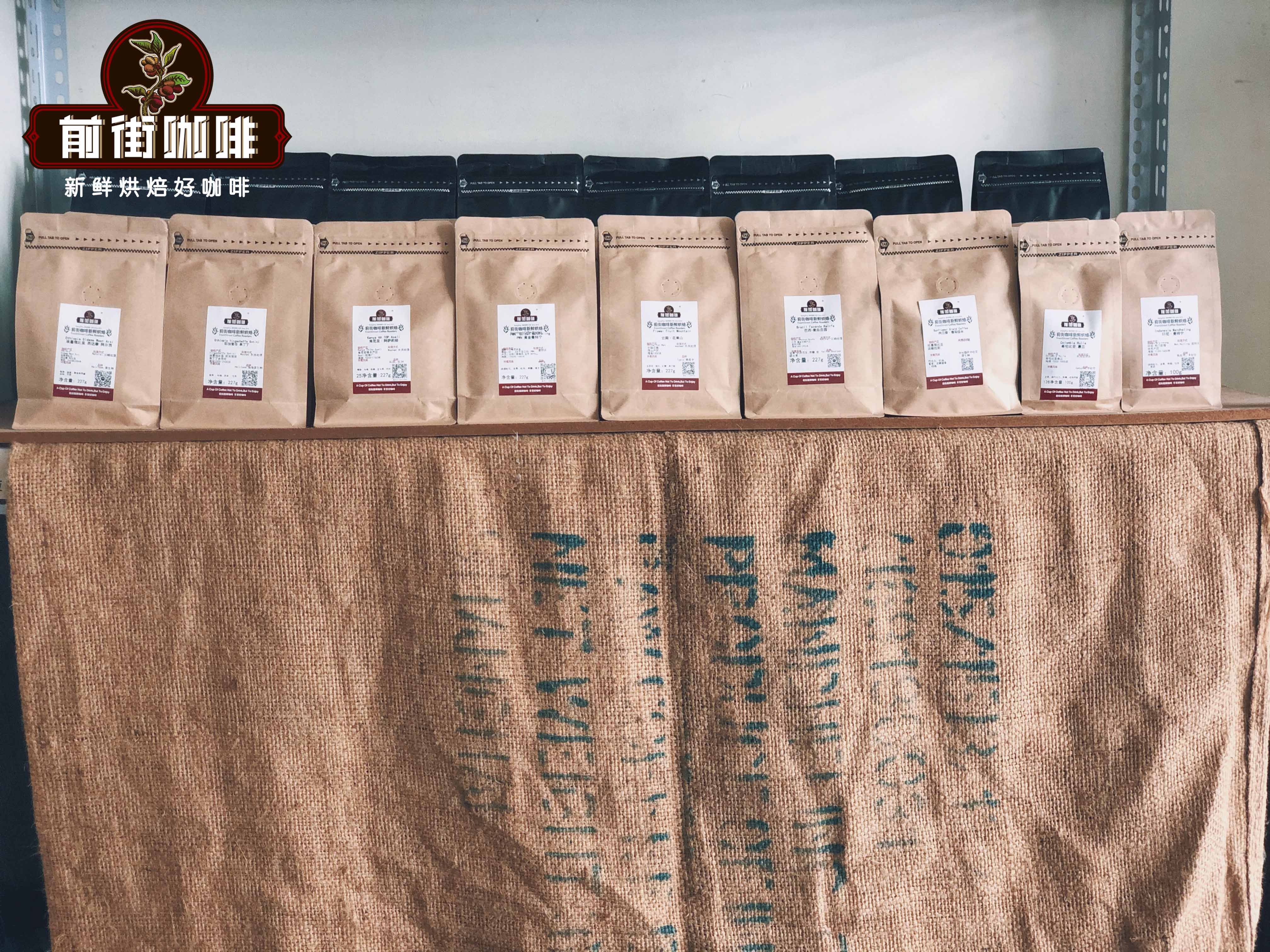
For readers who prefer light roasts, here are some recommended beans: First is the Yirgacheffe Sun-Dried Red Cherry, which features layered flavors of lemon, floral notes, and fermentation wine tones, offering a juicy mouthfeel, bright acidity, and a honey-like finish. Next is the Kenya AA(S) Assaliya, with a wet aroma of ripe tomato and flowers, and tasting notes of cherry tomato and dark plum, clean acidity, solid structure, prominent mid-palate sweetness, and a berry-green tea aftertaste. Also try the Panama Geisha (aka Flower Dance), blending floral, black tea, berry, and citrus notes with smooth mouthfeel, moderate acidity, low bitterness, and a mild nutty finish.
Suggested pour-over parameters: 15g coffee, 1:15 coffee-to-water ratio, 90°C water temperature, medium-fine grind (approximately 78% extraction through a #20 sieve), using a V60 dripper. Brewing method: Start with a 30-second bloom using 30g water, then pour in a circular motion to 125g. Once the water level drops halfway, pour to 225g total. Total brew time is around 2 minutes.

If you prefer medium-dark roasts, consider Golden Mandheling, known for its multi-layered yet balanced profile and a long-lasting caramelized sweetness in the aftertaste. Jamaican Blue Mountain is famed for its exceptional cleanliness and gentle mouthfeel, with notable chocolatey sweetness, excellent acid-to-bitterness balance, and a fruity note in the finish. Brazil Fazenda Rainha is a balanced bean with classic Brazilian characteristics—prominent nutty and chocolate aromas, coupled with clear cane sugar sweetness.
Recommended medium-dark roast pour-over parameters: 15g coffee, 1:15 coffee-to-water ratio, 86°C water temperature, medium-coarse grind (approximately 65% extraction through a #20 sieve), using a KONO dripper. Brewing steps: Bloom with 30g water for 30 seconds, then pour in a circular motion to 125g. After the water level drops halfway, continue pouring to 225g. Total brew time is approximately 2 minutes 10 seconds.
The above content is compiled by CoffeeHunters, a coffee news website.


