








Introduction:Espresso is renowned for its intense flavor and rich layers of complexity, but truly great espresso isn’t just about strength—it’s about body, smoothness, and balance. This article delves into the concentration and flavor characteristics of espresso, standard extraction parameters, and explores how freshness and freshly ground beans critically impact aroma and crema. It also offers practical tasting tips to help you understand multi-layered flavors through stirring and sipping in stages.
The most striking feature of espresso is undoubtedly its intense, rich character. However, “intensity” is not synonymous with bitterness or harshness. Ideal espresso should showcase a wealth of aromas, a bold yet non-cloying texture, a smooth mouthfeel without grittiness, and a finish that leaves a pleasant aftertaste. This article starts from the essence of espresso’s concentration and texture, analyzing the effects of extraction parameters and freshness, and guiding you on how to taste it properly to fully grasp the essence of this classic coffee.
Definition and Impact of Espresso Concentration
Generally speaking, the concentration of espresso falls within the range of7% to 12%, which translates to a water content of88% to 93%. In comparison, common drip coffee has a concentration of only about1.2% to 1.8%, with a water content as high as98.2% to 98.8%. The high concentration of espresso makes its flavors more concentrated, but it also places higher demands on overall balance.

Concentration is not just a numerical value—it directly affects flavor perception and mouthfeel. When the concentration is high, the tongue’s ability to discern subtle flavors decreases, but certain flavor intensities, such as caramel or nutty notes, can be amplified. Conversely, if the concentration is too low, while some delicate flavors may become more apparent, the overall profile can seem flat, lacking the full-bodied richness that espresso should have. Therefore, the key to good espresso lies in finding the right balance of concentration—delivering rich layers without sacrificing smoothness or a clean finish.
Fresh Roast and Fresh Grind: The Keys to Flavor and Crema
To brew a satisfying shot of espresso, using freshly roasted and freshly ground coffee beans is essential. After roasting, coffee beans produce a significant amount of carbon dioxide, which not only helps preserve flavors but is also a crucial factor in forming coffee crema. Over time, as carbon dioxide dissipates, flavor compounds are lost, leading to weaker aroma and thinner body.
Generally, medium to dark roasted beans have an optimal flavor window of about40 days after roasting, while light to medium roasts are best used within30 to 35 days. Additionally, once coffee beans are ground, carbon dioxide is rapidly released. If not brewed promptly, not only will crema formation be compromised, but flavor will also be greatly diminished. Therefore, it is recommended to use ground coffeeas soon as possible after grindingto achieve the best extraction results and aroma expression.
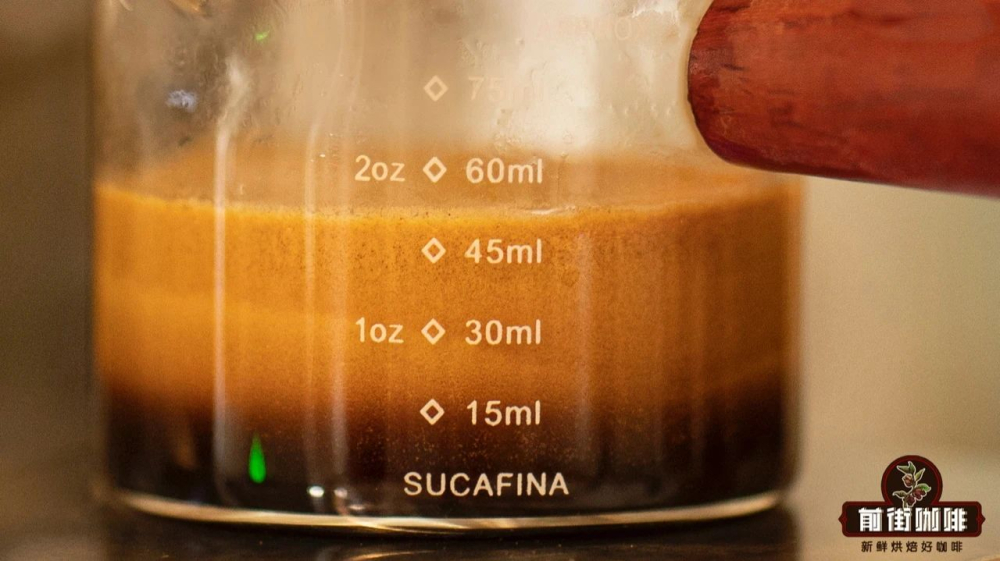
Coffee crema is one of the hallmarks of espresso. This golden, fine foam is created by the emulsification of carbon dioxide and oils in the coffee under high-pressure extraction. It not only affects appearance but also contributes significantly to mouthfeel, providing richer layers and a velvety texture. If the coffee grounds are not fresh or have been sitting for too long, crema formation will be affected, and the overall mouthfeel may turn dry and astringent.
Standard Extraction Parameters for Espresso
According to the Specialty Coffee Association (SCA), a standard espresso extraction should use7 to 9 gramsof coffee grounds (about14 to 18 gramsfor a double shot), extracted over20 to 30 secondsto yield25 to 35 gramsof espresso, under an extraction pressure of9 to 10 bar, with water temperature controlled between90 to 96°C. In practice, each shop may make fine adjustments based on the coffee bean variety and equipment used.
For example, some shops may use19.8 gramsof extremely fine-ground coffee, extracting for about28 to 32 secondsto produce38 gramsof espresso. Such parameters can bring out a richer and more refined mouthfeel, often accompanied by notes of vanilla, fruity acidity, wine-like aromas, and a caramel-like, smooth finish.
How to Properly Taste Espresso
There are specific techniques for tasting espresso that can help you better appreciate its complex flavors. It’s recommended to take a sip of cold water before drinking to cleanse your palate, bringing your taste buds back to a neutral state, and helping your tongue muscles contract so they can more acutely capture the nuances of the coffee.
When your coffee is served, you can gently stir it with a spoon to mix the crema and espresso liquid evenly. Then, it’s suggested to take the espresso inthree sips: the first sip focuses on identifying flavors such as acidity, sweetness, and aroma; the second sip emphasizes body and texture—whether it’s smooth and rich; the third sip is for appreciating the aftertaste and finish, evaluating the overall balance and lingering impressions.
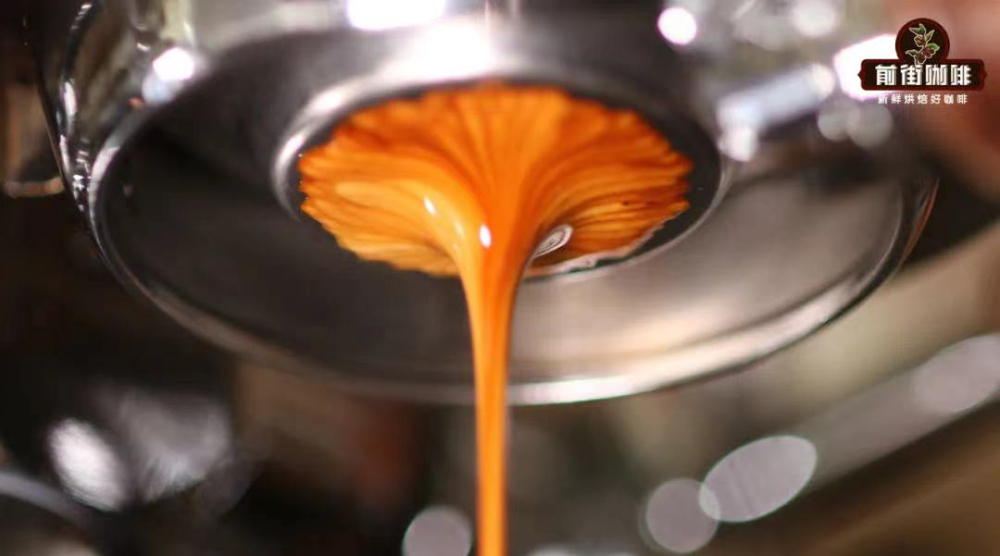
Through this tasting process, you’ll be able to systematically understand the personality and unique traits of each shot of espresso, gradually developing a keener sensitivity and appreciation for coffee flavors. Whether you enjoy it daily or seek a deeper understanding of coffee artistry, this knowledge will serve as a solid foundation for exploring the world of espresso.
The above content is compiled by CoffeeHunters, a coffee news website.


