







Introduction:To brew coffee with balanced flavors and rich crema using a moka pot, choosing the right coffee beans is key. This article starts with the working principle of the moka pot, analyzing why freshly roasted medium to dark roast beans can better deliver a full-bodied taste and abundant crema. It also explores common issues like sourness or bitterness when using light or dark roast beans, discusses how the coffee bean’s prime flavor period affects taste expression, and finally recommends five practical bean options ideal for moka pot extraction to help improve your home coffee quality.
The moka pot is a commonly used stovetop espresso-style coffee maker for many households. Not only is it simple to operate, but it can also produce strong and layered coffee. However, if you want to brew a cup of coffee with balanced flavor and rich crema using a moka pot, selecting the appropriate type of coffee beans is especially important. After gaining a deeper understanding of the moka pot’s three-layer structure and its high-temperature, high-pressure extraction characteristics, it’s not hard to see that medium to dark roast, freshly roasted coffee beans are the best match to bring out the strengths of this brewing device.
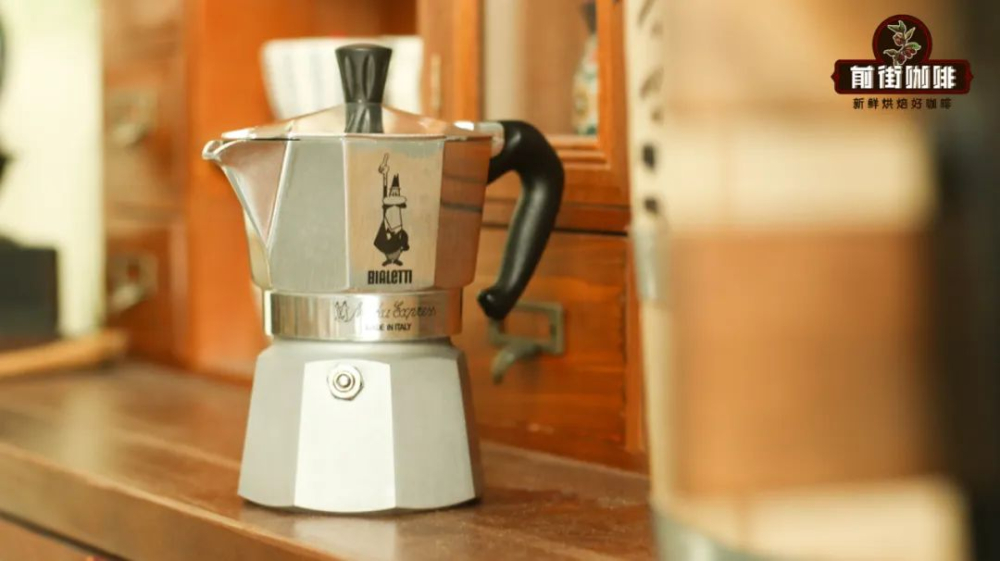
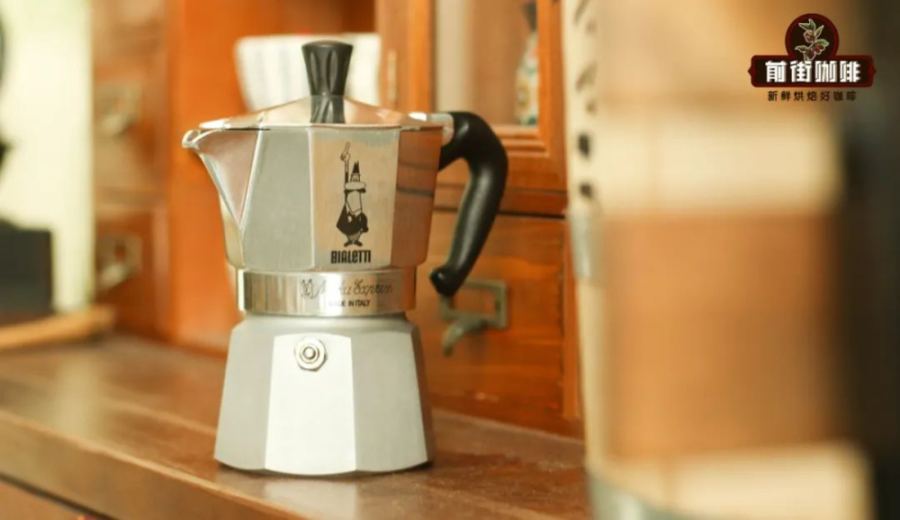
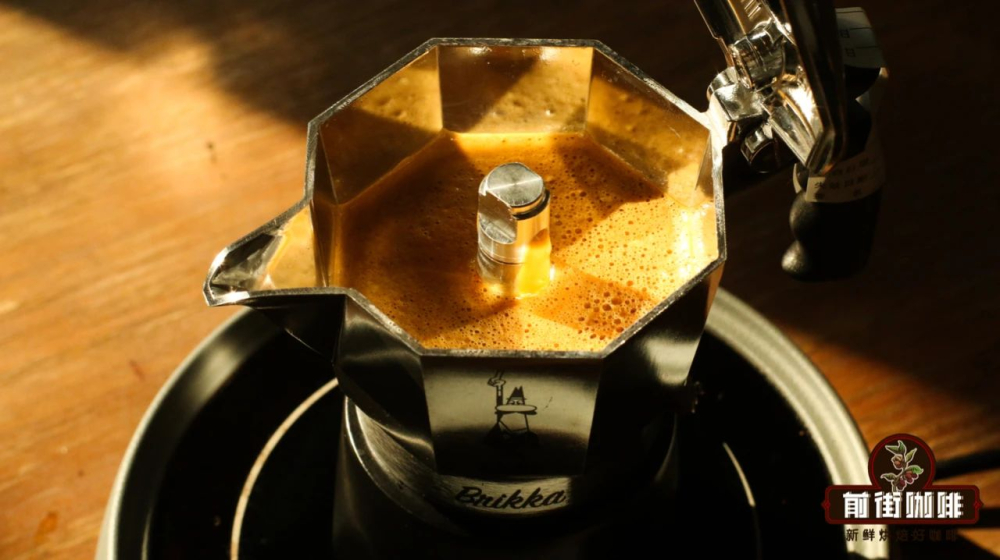
First, let’s take a look at the basic working principle of the moka pot. This classic Italian-style coffee maker mainly consists of three parts: the bottom water chamber, the middle filter basket that holds the coffee grounds, and the top chamber that collects the brewed coffee. When the moka pot is heated on a stove, the water at the bottom gradually warms up and turns into steam, increasing the internal pressure and forcing the hot water through the finely ground coffee in the middle layer. Eventually, a strong cup of coffee is produced in the top chamber. Although the coffee extracted is not as concentrated as that from a professional espresso machine, it still has a relatively high concentration and can be diluted with hot water, milk, or ice to make Americano, latte, or iced coffee.
Precisely because the moka pot operates at a higher water temperature and uses finer coffee grounds, the extraction process tends to amplify the inherent characteristics of the coffee beans. For example, when using light roast beans, the acidity often becomes overly sharp and may even come with noticeable astringency. On the other hand, dark roast beans tend to release excessive roasted and bitter notes, disrupting the overall flavor balance. Therefore, it is recommended to choose coffee beans with a medium to dark roast level. These beans usually have a richer body and a moderate acid-sweet balance, which complements the high-pressure extraction characteristics of the moka pot. They bring out a strong yet delicate taste and also help form a nice layer of coffee crema.
In addition to roast level, the “freshness” of the coffee beans is also a major factor affecting the performance of moka pot extraction. Generally speaking, after roasting, coffee beans need to go through a period of degassing to release carbon dioxide before entering their optimal flavor window. However, once stored beyond two months—approximately 50 days after roasting—the aromatic compounds in the beans will significantly diminish. This not only affects the aroma but also leads to a lack of crema in the brewed coffee, resulting in a flat and tasteless cup. Therefore, to fully unleash the potential of the moka pot, it is essential to choose freshly roasted beans with a recent roast date and good storage condition.
For home coffee enthusiasts who wish to brew with a moka pot, choosing beans from reputable brands with consistent roasting quality is crucial. It is recommended to select self-roasted beans that provide a recent roast date, as this ensures optimal flavor and allows you to enjoy a more complete prime flavor period. Additionally, when purchasing, pay attention to the roast date and try to choose beans roasted within 7 to 21 days. This period is typically the golden stage when the coffee’s flavors are most vibrant and balanced.
Based on multiple practical evaluations and user feedback, here are several coffee bean recommendations suitable for moka pot extraction. These beans demonstrate outstanding performance in flavor expression, crema release, and overall balance, making them excellent references for users looking to enhance their home coffee experience:
1. Dark Cocoa Blend Espresso: This blend is known for its balanced taste, featuring prominent nutty and chocolatey aromas. It is suitable for use with moka pots and home semi-automatic espresso machines. With great cost-performance, it delivers stable flavor whether for daily drinking or milk-based coffee preparation.
2. Classic Blend Espresso: With a strong caramel and dark chocolate profile, this blend offers a clean aftertaste and low acidity. Its fine and rich crema ensures consistent high-quality performance, whether for home use or small café applications.
3. Strawberry Candy Italian Blend Coffee: This blend showcases a complex flavor profile of floral notes, strawberry soft candy, dried blueberries, and almonds. When brewed with a moka pot, it avoids excessive bitterness or acidity, instead delivering a sweet and balanced taste. It is ideal for users who enjoy fruity flavor profiles.
4. PWN Golden Mandheling Coffee: It features aromatic notes of pine wood, dark chocolate, herbs, and caramel. When brewed with a moka pot, it produces fine crema, a full-bodied taste, and low acidity, presenting a steady and layered flavor overall.
5. Brazilian Queen Estate Coffee: The flavor is dominated by roasted nuts, cream, and chocolate, complemented by a natural sugarcane sweetness. The acidity and bitterness are well-balanced, with a clean and refreshing aftertaste. It is a beginner-friendly bean option suitable for various brewing methods.

The above content is compiled by CoffeeHunters, a coffee news website.


