







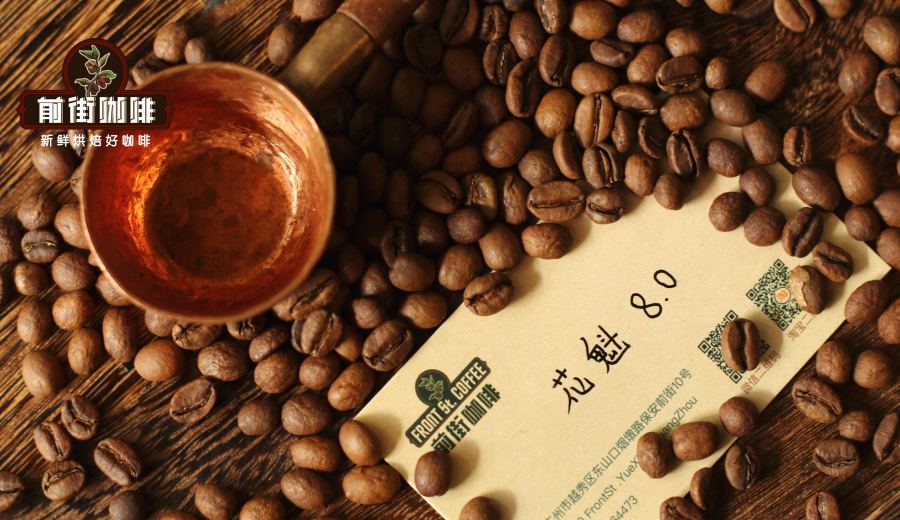
Introduction:The Huakui coffee beans are widely loved for their rich tropical fruit notes and delicate floral aromas, but their origin label has shifted from Sidamo to Guji, or even appeared as both simultaneously. This reflects the historical evolution of Ethiopia’s coffee region classification system. This article traces the version iterations of Huakui from its TOH victory in 2017 to the present, analyzes the geographical and climatic characteristics of the Guji region, explores the natural sun-drying process of the Buku Abel washing station, and provides detailed flavor comparisons and pour-over brewing parameter recommendations to help you deeply understand the charm of this classic bean.
As the birthplace of coffee, Ethiopia’s regional classification system is far more complex and nuanced than commonly understood. The Huakui coffee beans have won the favor of coffee enthusiasts worldwide with their unique tropical fruit acidity and sweetness, paired with soft floral notes. However, many consumers have noticed that the origin label of Huakui has gradually shifted from the earlier “Sidamo” to “Guji,” or even a mix of both. This is closely related to the administrative and commercial reclassification adjustments of Ethiopia’s coffee regions. This article will comprehensively analyze the transformation process of Huakui coffee beans, from regional history and processing techniques to flavor evolution.
Sidamo was once a broad coffee-producing region in southern Ethiopia, encompassing 23 administrative zones, over 50 cooperatives, and more than 200 coffee processing stations. Due to its vast area, there are significant differences in altitude, microclimate, and soil conditions across the region, resulting in the diverse flavors of Sidamo coffee. Notably, Yirgacheffe was originally part of Sidamo until it gained international market recognition for its unique elegant floral and citrus notes and was officially registered as the “Yirgacheffe®” flavor trademark in 2007.
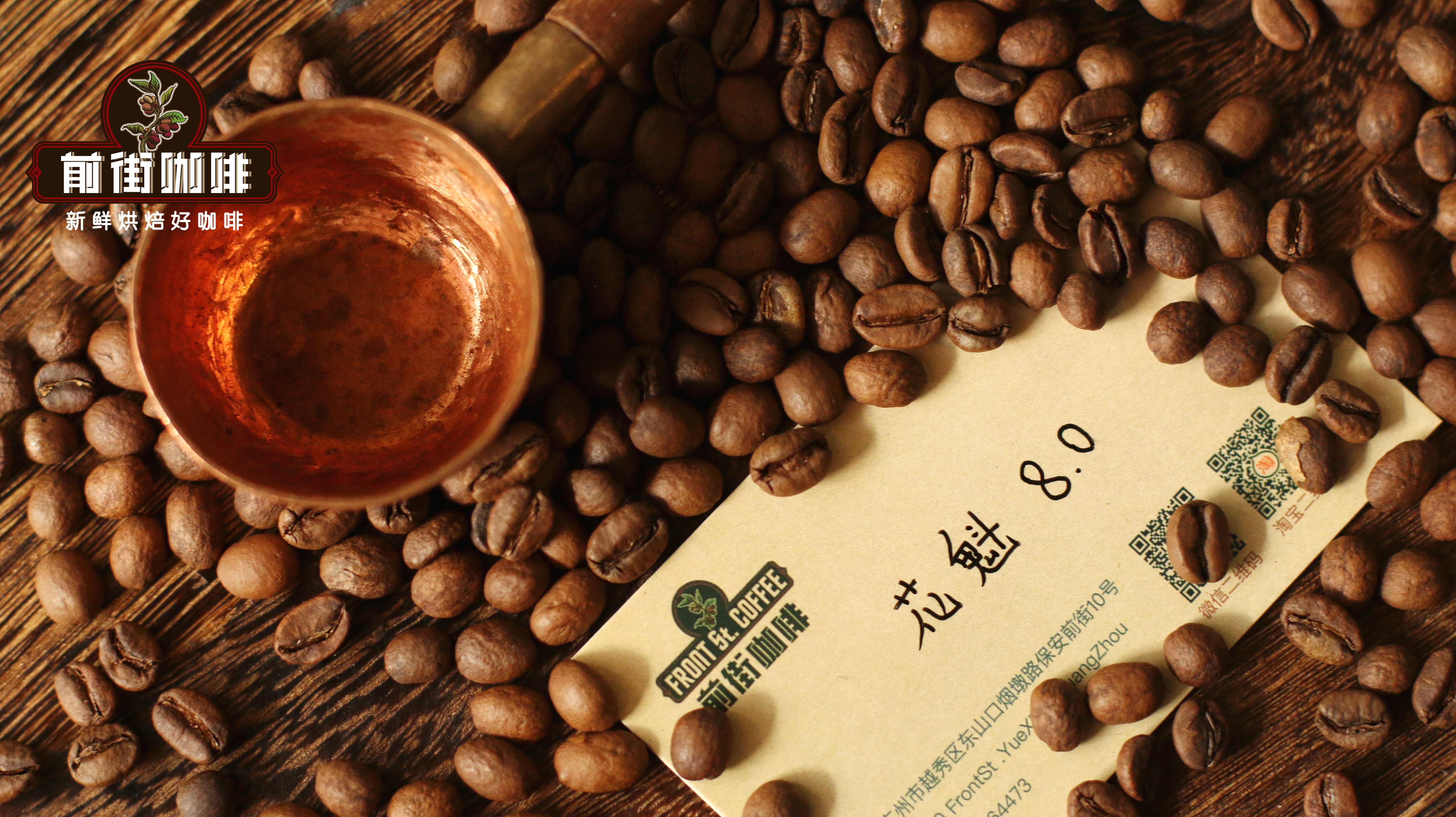
Similar to Yirgacheffe, the Guji region was also classified under the “Sidama A” category within Sidamo before 2008. However, as sub-regions under Guji, such as Hambella and Shakiso, consistently achieved outstanding results in international green bean competitions like COE, their exceptional flavor potential gradually attracted attention. In 2015, the Ethiopian Commodity Exchange (ECX) officially designated Guji as an independent region, symbolizing the rise of its coffee industry and its elevated international status.
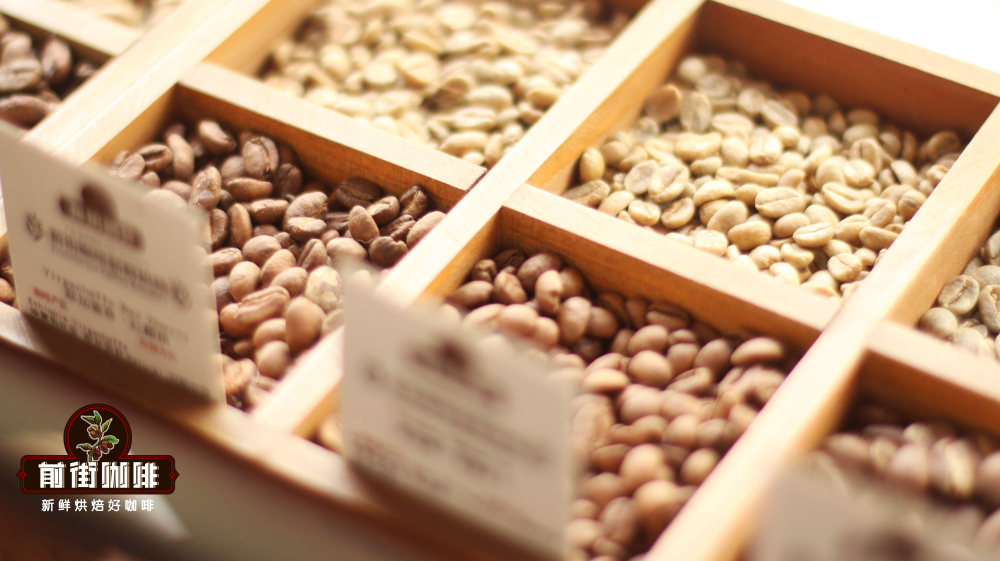
Looking at Ethiopia’s regional map, Guji includes several well-known sub-regions, such as Ansola, Hambella, Shakiso, Uraga, and Kercha. Among them, Huakui 8.0 originates from Hambella, more precisely from the Buku Abel washing station, using the natural sun-drying processing method. Next, we will focus on the geographical environment and processing characteristics of the Guji region to further understand the sources of Huakui’s flavors.
Guji is located in southern Ethiopia, characterized by mountainous terrain and relatively inconvenient transportation, which long kept it isolated from the outside world. The region was primarily focused on livestock farming in its early days, later developing mining due to the discovery of mineral resources. However, in recent years, Guji’s high-altitude environment, mineral-rich soils, and intact virgin forest coverage have made it an ideal location for cultivating high-quality coffee, gradually establishing it as an important player in the international specialty coffee market.
This coffee bean made its first appearance in the 2017 TOH (Ethiopia National Taste of Harvest Competition), where the Buku Abel washing station under DW Company won the championship with a natural sun-dried bean, showcasing intense strawberry and creamy aromas. This bean was later named “Huakui” by Chinese importers and quickly caused a stir in the coffee market. Subsequently, the series continued to evolve, reaching version 8.0 by 2023. According to industry roasting and cupping experiences, version 8.0 retains the tropical fruit character of the original version while adding more pronounced citrus acidity and caramel notes.
The main origin of Huakui, Hambella, is located in mountainous areas at altitudes above 2000 meters, adjacent to Kochore in Yirgacheffe, and also neighbors sub-regions such as Shakiso, Uraga, and Kercha. Most local residents live in environments with limited infrastructure, but it is precisely these natural conditions that nurture uniquely flavored coffee. Currently, Hambella has about 20 washing stations of varying sizes, among which the Buku Abel washing station is renowned for its natural sun-dried beans and is the primary source of the Huakui series.
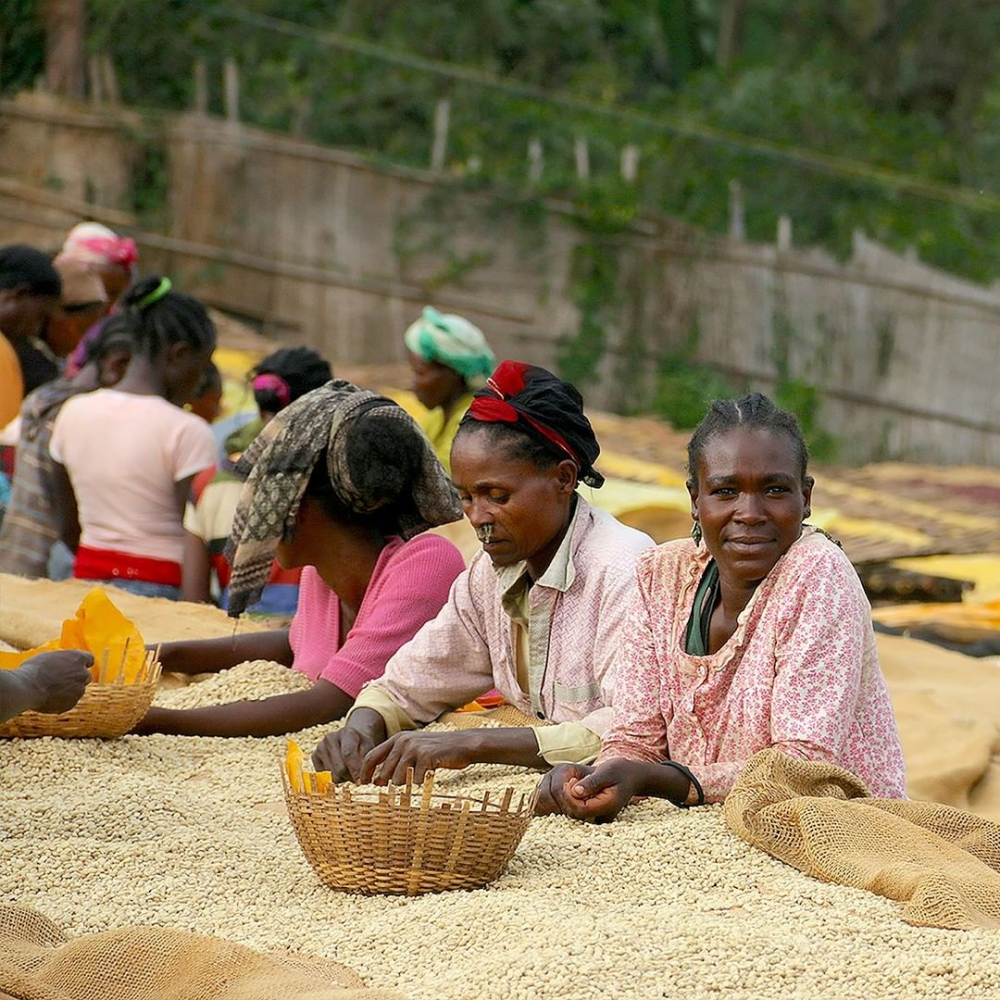
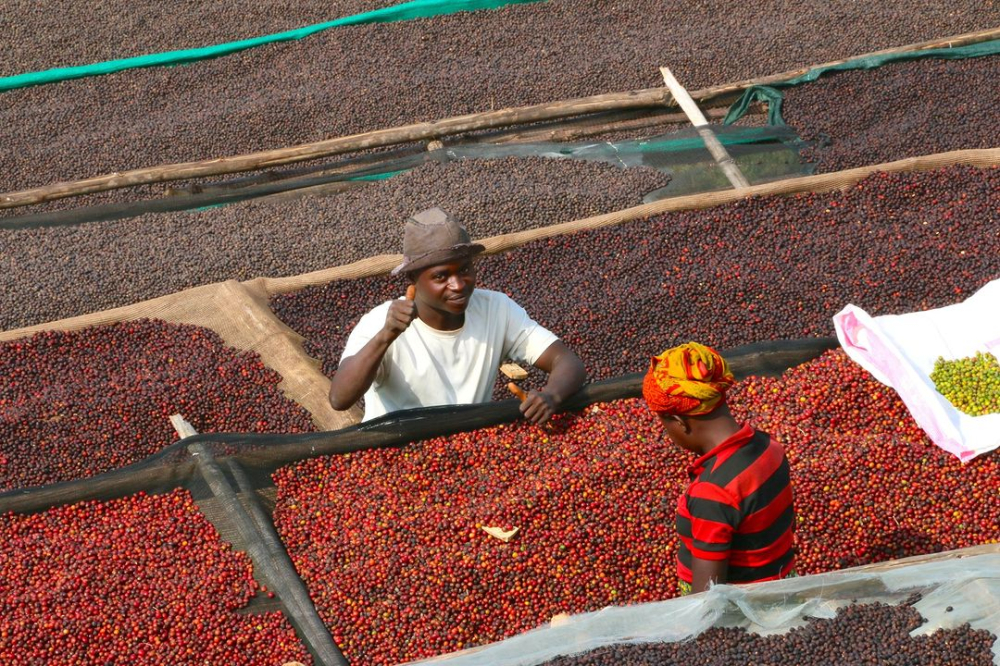
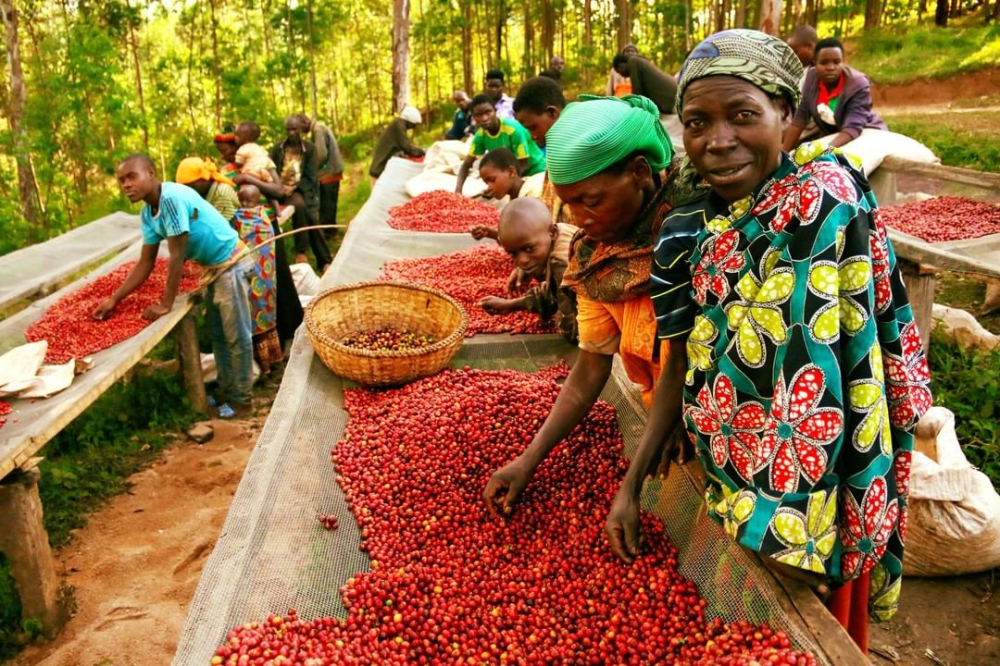
The natural sun-drying process of Huakui is extremely meticulous. The main harvest season is from December to January each year, and farmers only select ripe red cherries with a sugar content of 30 or higher for processing. During the first two days of sun-drying, appropriate humidity must be maintained to promote fructose fermentation, while taking advantage of the high-altitude day-night temperature difference—nighttime temperatures can drop as low as 12°C, and daytime exposure to excessive heat and direct sunlight must be avoided. The entire sun-drying process lasts approximately 18 days until the moisture content of the green beans drops to around 13%, followed by about 50 days of resting and further dehydration to ensure the final moisture content reaches 11% before being sold.
Regarding the flavor profiles of the various versions, according to cupping records, the original 2017 version featured a profile dominated by strawberries, cream, and tropical fruits, while subsequent versions such as 2.0 and 3.0 showcased different flavor emphases—for example, version 3.1 even exhibited tropical fruit and caramel notes reminiscent of certain well-known regions. Notably, versions 4.0 and 5.0 returned to a more balanced berry and citrus character, with an oolong tea-like aftertaste.
In terms of roasting, it is recommended to use a medium-light roast to preserve the bean’s rich fruity and floral notes, considering its natural sun-drying characteristics. For pour-over brewing, the V60 filter cone is recommended, using water at 90°C, a 1:15 coffee-to-water ratio, and a medium-coarse grind size (80% passing through a Chinese No. 20 sieve), with a step-brewing method to highlight its layered berry and citrus character. The specific technique includes a 30-second bloom with 30 grams of water, followed by small-stream pouring to 125 grams for the first stage, then pouring to 225 grams to complete extraction, with a total brew time controlled to around 2 minutes.
The above content is compiled by CoffeeHunters, a coffee news website.


