







Introduction:The Geisha coffee from Panama’s La Esmeralda Estate is divided into three grades: Red Label, Green Label, and Blue Label. These are sought-after gems for specialty coffee enthusiasts around the world. This article delves into the estate’s geographical advantages, grading logic, flavor profiles of each label, suitable brewing methods, and compares the differences between renowned farms such as Jensen and Hartmann. It provides a comprehensive guide from selection to brewing.
La Esmeralda Estate, hailed as the discoverer of the Geisha flavor profile, has been a major force in bringing this variety to the global stage. Through a rigorous grading system, the estate categorizes its Geisha beans based on planting altitude, cupping scores, and processing methods into Red Label, Green Label, and Blue Label grades. This not only sets an industry benchmark for quality but also allows consumers to choose products that match their flavor preferences.
Located in the Boquete region of Panama, La Esmeralda Estate sits at the foot of the Baru volcano and enjoys a uniquely advantageous microclimate. The area benefits from high altitude, significant day-night temperature variations, and the protection of the Central Mountain Range from cold air, creating an ideal microclimate for coffee cultivation. The surrounding fertile volcanic soil and ample rainfall further nurture high-quality coffee with distinctive flavors.
The estate comprises four main farms: Cades Verdes, El Velo, Jaramillo, and Palmira, all known for their meticulous management and precise plot division. Among them, Jaramillo and Canas Verdes are the primary Geisha-producing areas, while the El Velo farm, acquired in 2012, stands out with its high altitude (1650–1900 meters) and Rainforest Alliance certification, representing both environmental responsibility and premium quality.
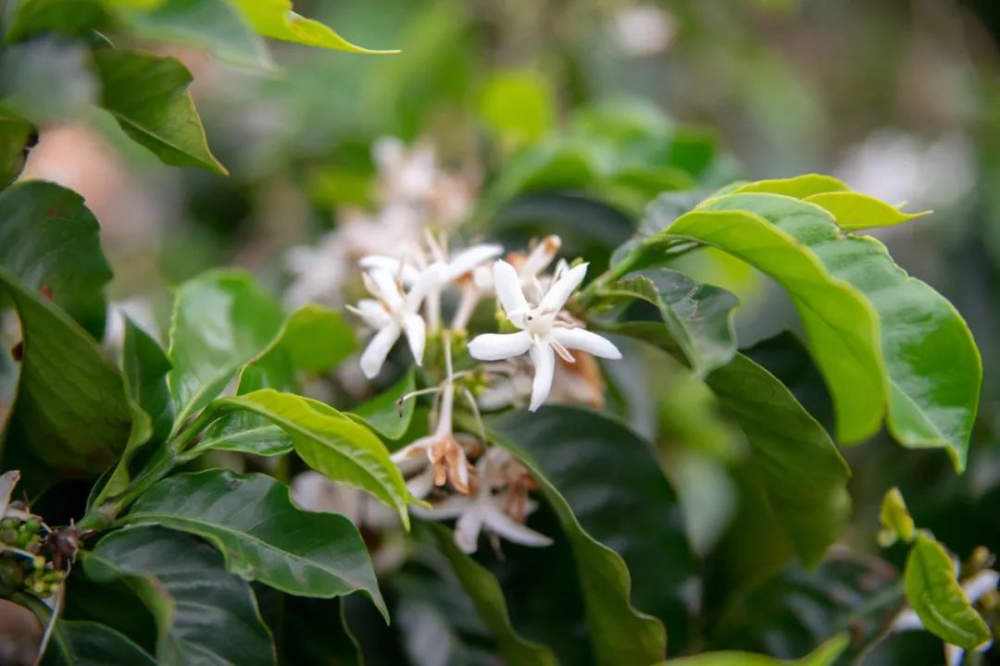
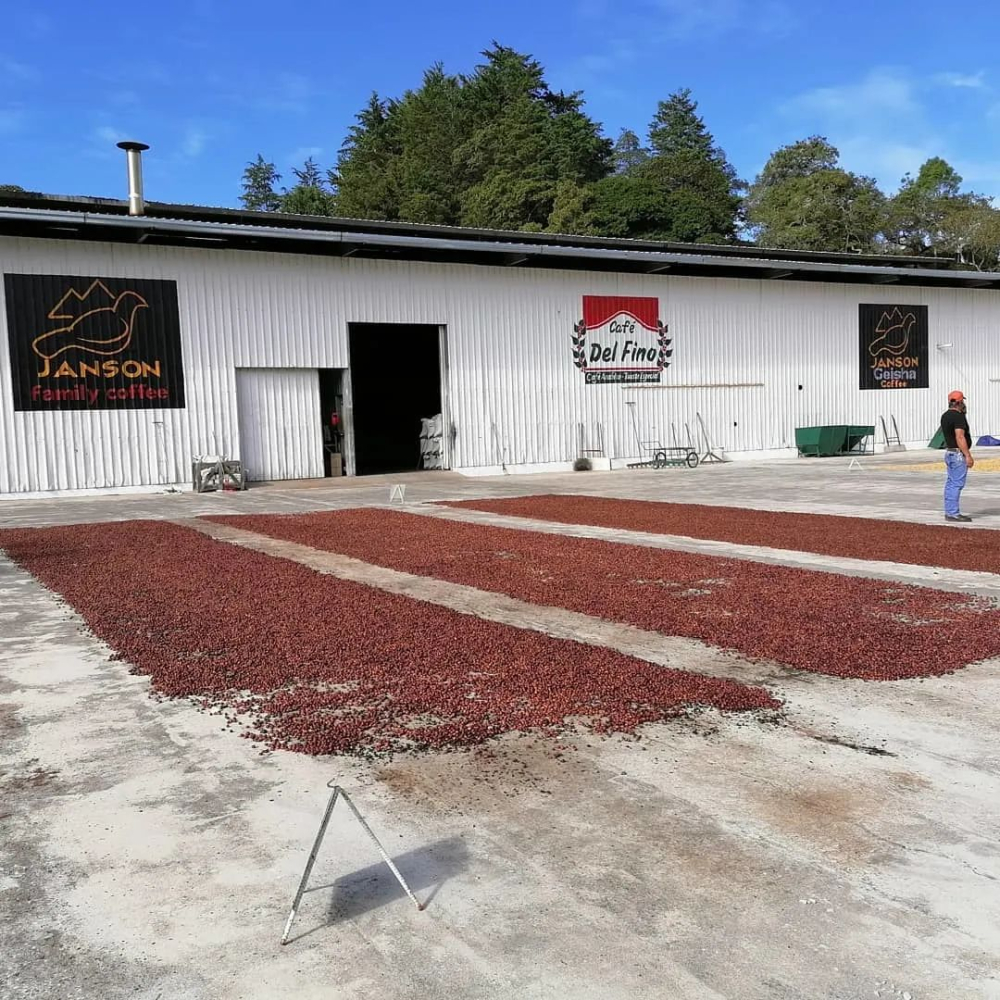
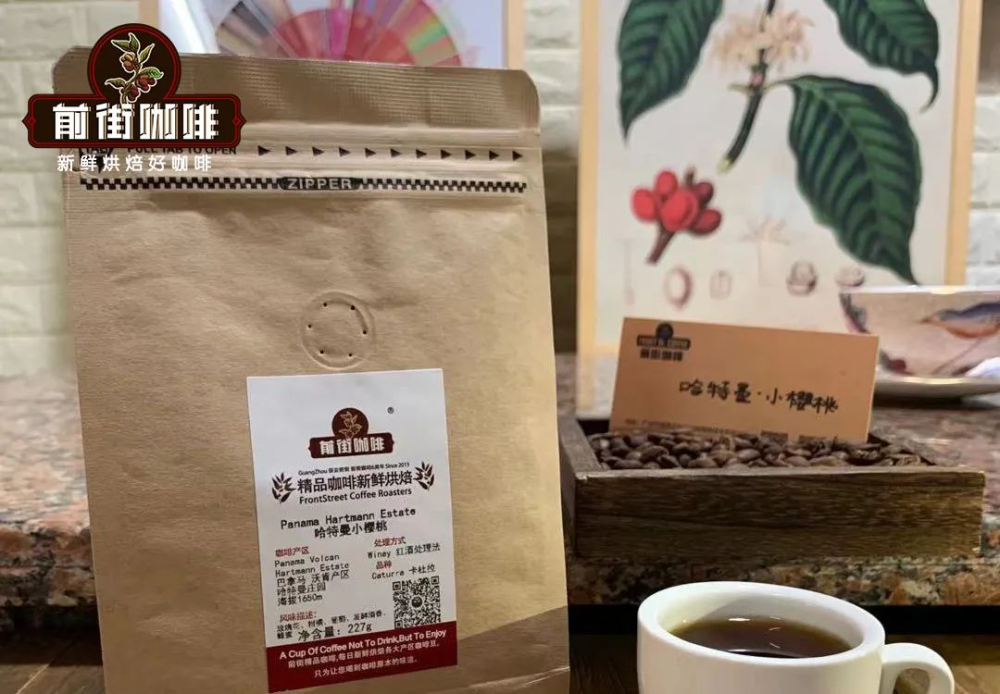
Speaking of the Geisha variety, it is renowned for its bright acidity, rich floral and fruity aromas, and lingering sweetness. Common flavor notes include lemon, citrus, berries, peach, and honey. Particularly distinctive is its unique bergamot-like aftertaste, which sets Geisha apart and keeps it at the top of specialty coffee rankings. Although the Geisha variety from Jensen Estate is not widely exported, it has received praise in domestic competitions for its intense jasmine and lychee aromas, primarily grown in high-altitude volcanic soil regions. Hartmann Estate, on the other hand, is known for its eco-friendly farming practices and red wine processing method. Its Geisha combines honey-like sweetness, stone fruit, and milk chocolate tones, maintaining excellent performance even when cooled.
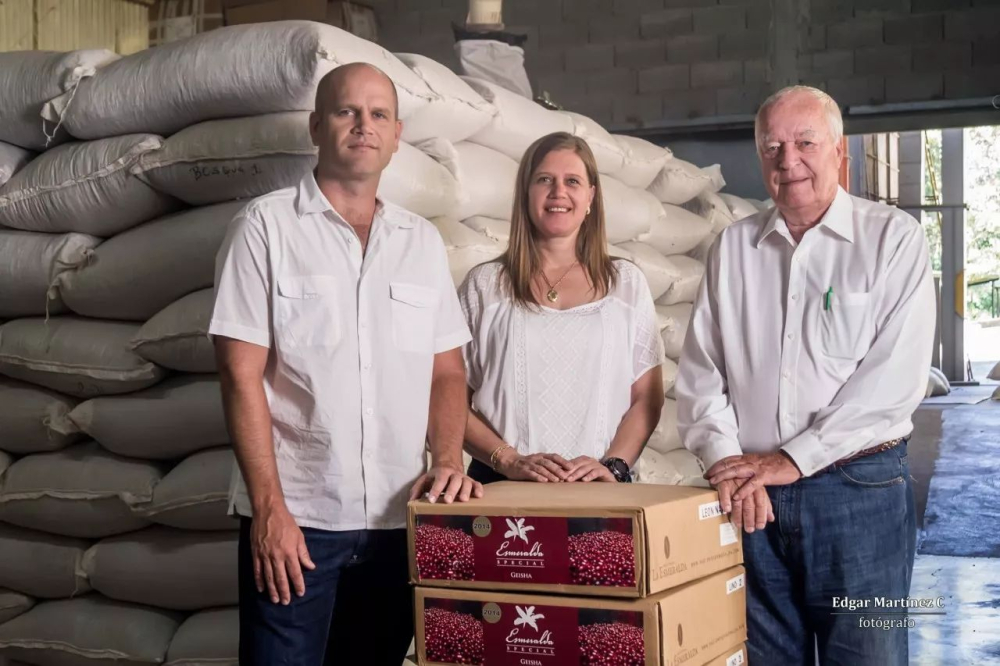
The grading system at La Esmeralda Estate is one of its defining features. Based on cupping results and planting altitude, Geisha beans are divided into three main brands: Esmeralda Special (Red Label), Private Collection (Green Label), and Geisha 1500 (Blue Label). Additionally, Diamond Mountain and Palmyra represent traditional varieties and commercial bean grades, respectively.
Red Label Geisha, part of the Esmeralda Special series, uses only auction-grade Geisha beans grown in Jaramillo and Canas Verdes at altitudes between 1600–1800 meters. These beans often score above 90 points in cupping evaluations. Typically processed via natural or washed methods, since 2018 yeast fermentation processes have also been introduced. These beans are available only through global auctions. Their flavor profile is bright, often featuring jasmine, citrus, berries, and honey, with a rich taste and outstanding sweetness.
Green Label Geisha, commonly known as Private Collection, does not participate in auctions but still uses micro-lots from the same high-quality regions. Grown at the same altitude range of 1600–1800 meters, these are blended lots, so specific sub-regions cannot be traced, resulting in slight flavor variations between batches—sometimes even approaching Red Label quality. This grade also offers both washed and natural processing methods, with flavors dominated by citrus, lemon, honey, cream, and fruitiness. It’s ideal for consumers who seek consistent quality while experiencing premium Geisha.
Blue Label Geisha, also known as Geisha 1500, uses blended beans grown at altitudes of 1400–1500 meters from three plots: Jaramillo, Canas Verdes, and El Velo. This grade was previously the estate’s main export product and has now been renamed Volcanic Rock Geisha. Its flavor is lighter, characterized by citrus, lemon, subtle floral notes, and mild fruit acidity. The taste is refreshing but not as full-bodied as Red or Green Labels, making it suitable for those who prefer milder flavors.
For brewing, it is recommended to use a light roast to highlight Geisha’s delicate floral and fruity aromas and acidity. The Hario V60 dripper is recommended, with a water temperature of about 91°C, a brew ratio of 1:15, and a grind size around EK43s setting 10 (80% passing rate through a Chinese No. 20 sieve). Use a three-stage extraction method: start with a 30-second bloom using 30 grams of water, then pour in small increments up to 125 grams, and finally continue pouring to 225 grams. Total extraction time should be around 2 minutes.
Red Label Geisha exhibits the most expressive flavor, often with bright rose and citrus aromas. The cup includes notes of lemon, honey, berries, and mango, with a tea-like finish and creamy smoothness. Green Label highlights jasmine floral notes and a balanced citrus acidity with sweetness, offering a round mouthfeel and long-lasting aftertaste—ideal for those who enjoy a balance of fruitiness and sweetness. Blue Label has a fresher profile, starting with gentle acidity from lemon and grapefruit, followed by honey sweetness in the mid-palate, and ending with a mellow oolong tea and brown sugar finish. Overall, it presents a clean and refreshing taste.
In summary, La Esmeralda Estate’s Geisha grading system not only reflects quality control but also enables consumers to make choices based on budget and flavor preferences. Red Label is perfect for coffee aficionados seeking ultimate flavor and auction experiences, Green Label offers premium value, and Blue Label is great for everyday enjoyment or those new to Geisha. Regardless of the grade, careful brewing and proper grind size will fully showcase the unique charm of Geisha.
The above content is compiled by CoffeeHunters, a coffee news website.


