







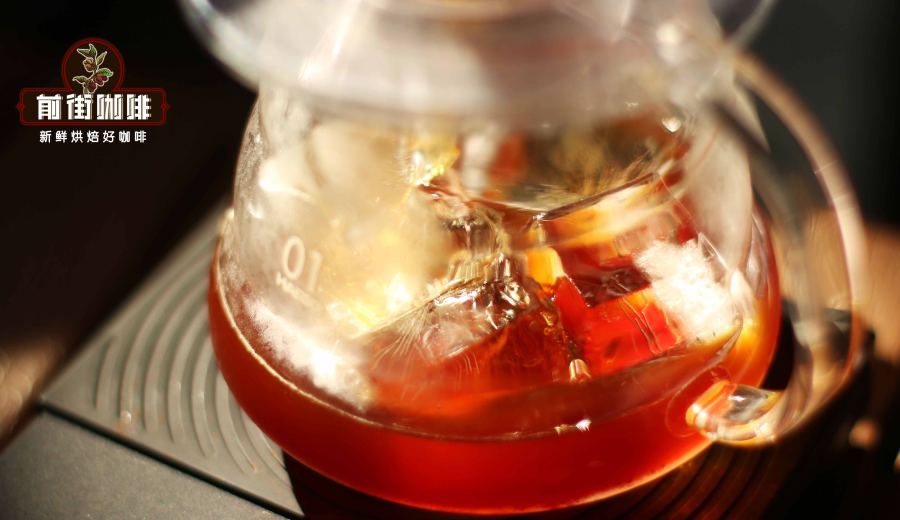
Introduction:Many people believe that medium to dark roast coffee beans are not suitable for making cold brew pour over, as they tend to result in bitterness or a watered-down taste. However, with the right coffee-to-water ratio, appropriate grind size, ice proportion, and pulsed pouring technique, medium to dark roasts can also deliver a rich, full-bodied cold brew pour over with a pronounced sweet aftertaste. This article will provide a detailed guide on how to make a well-balanced cold brew pour over using medium to dark roast beans, along with practical operational tips and reference parameters.
In the world of cold brew pour over, light roast beans are often the go-to choice due to their bright acidity and vibrant fruity aromas. However, many coffee enthusiasts encounter issues such as thin flavor, excessive bitterness, or an experience similar to iced Americano when trying to brew cold pour over with medium to dark roasts. In fact, by adjusting the appropriate extraction parameters, medium to dark roast coffee can also showcase enchanting caramel aromas and a rich mouthfeel.
The biggest challenge when brewing cold brew pour over with medium to dark roast beans lies in balancing bitterness and layering. Since the flavor profile of medium to dark roasts tends to lean toward caramel, nuts, and chocolate notes, improper pouring techniques or excessive ice ratios can easily make the coffee taste dull and watery. Therefore, it is recommended to pay special attention to the coffee-to-water ratio, water temperature control, as well as the rhythm and method of pouring.
< >
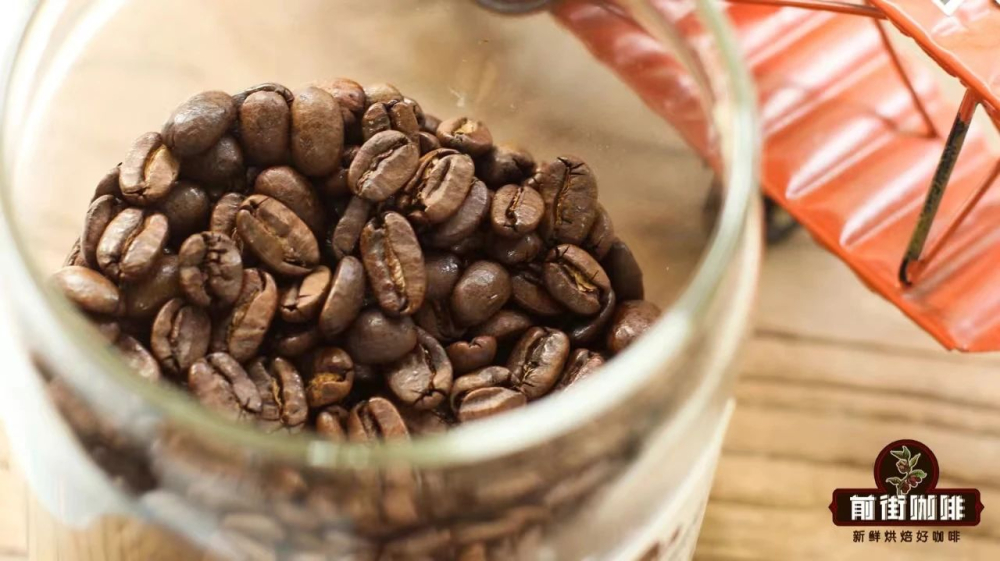
First, in terms of equipment and material preparation, it is recommended to use freshly roasted medium to dark roast beans, such as those with nutty and dark chocolate characteristics. For this demonstration, we are using a relatively dark-roasted Indonesian bean as an example. Its flavor profile includes notes of nuts, herbs, caramel, and pine, with a full-bodied yet clean taste — making it highly suitable for practicing medium to dark roast cold brew pour over.
The basic recommended parameters are as follows: use 15 grams of coffee grounds with a medium grind size (approximately 75% extraction through a #20 sieve), which is slightly finer than the typical grind for hot pour over. This grind size helps to fully extract the middle-to-front notes of the coffee even with a lower water volume. The suggested water temperature is around 88°C, which is moderately high for medium to dark roasts and helps to bring out the flavor layers without over-extraction.
For the coffee-to-water ratio, a 1:10 ratio is recommended — that is, 15 grams of coffee grounds to 150 milliliters of hot water. At the same time, it is advised to add about 75 grams of ice (approximately five times the weight of the coffee grounds) to quickly reduce the temperature of the brewed coffee while maintaining its rich flavor. Some methods involve pre-cooling the coffee with larger ice cubes (e.g., 120 grams) and then removing them to avoid dilution from melted water, which is also a good practical approach.
< >
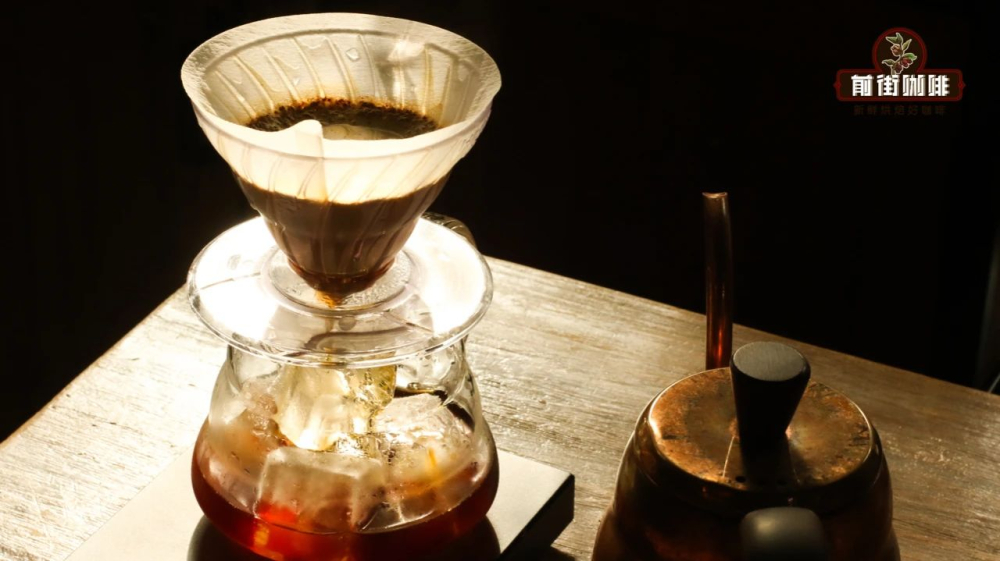
As for the pouring technique, it is recommended to use a pulsed pouring method, following a "30-30-30-30-30" pattern — that is, pouring 30 milliliters of hot water in each of the five stages, totaling 150 milliliters. First, pour 30 milliliters for the bloom and let it sit for about 30 seconds to allow the coffee grounds to fully expand and release aroma. Then, starting from the second stage, use a slow, fine stream to pour in a circular motion toward the center. Wait until the coffee bed forms a slight indentation at the center before continuing with each subsequent 30-milliliter pour using the same technique until all five stages are complete.
After completing all the pours, wait for the coffee to completely drip into the server. At this point, you can gently shake the server to ensure the ice and coffee are thoroughly mixed. Meanwhile, feel the temperature of the server with your hand to confirm that the coffee has cooled to a suitable drinking temperature. Then, remove the ice and pour the coffee into your cup to enjoy.
The resulting medium to dark roast cold brew pour over will feature a flavor profile centered around the bitter-sweetness of caramel and dark chocolate. Upon tasting, the bitterness quickly dissipates, leaving behind a refreshing and layered mouthfeel. A pronounced sweet aftertaste follows, giving the coffee a strong body without any issues of dilution or wateriness — making it ideal for coffee lovers who enjoy bold flavors and want to explore cold brew pour over.
In summary, medium to dark roast coffee beans can indeed be used to make cold brew pour over; the key lies in mastering the correct extraction parameters and paying attention to the details of the process. From selecting the right grind size, coffee-to-water ratio, and ice proportion, to mastering the rhythm and technique of pulsed pouring — every step influences the final flavor outcome. By following the suggestions above, you too can easily brew a balanced, sweet-and-bitter medium to dark roast cold brew pour over at home.
< >
The above content is compiled by CoffeeHunters, a coffee news website.


