







Introduction:Blue Mountain coffee, as the global synonym for top-tier coffee, is often confused with market imitations. This article delves into Jamaica’s officially certified Blue Mountain coffee grading system, reveals identifying features of authentic regions like the Clifton Estate, and provides a comprehensive guide from historical background to brewing recommendations — helping you master the key to distinguishing genuine products and savoring the finest quality.
The name “Blue Mountain coffee” carries significant prestige in the coffee world, but consumers often mistake ordinary flavored drinks or blended beans for authentic Jamaican Blue Mountain. In reality, only coffee beans grown in specific altitude zones of the Blue Mountain range in Jamaica and certified by the Jamaica Coffee Industry Board (CIB) can bear this golden label. Its grading system divides beans into four grades based on bean size: NO.1, NO.2, NO.3, and PB (peaberry). Among them, NO.1 is the symbol of top-tier quality, with stringent standards such as a defect rate below 3% and at least 96% of beans being 17 mesh size or larger.
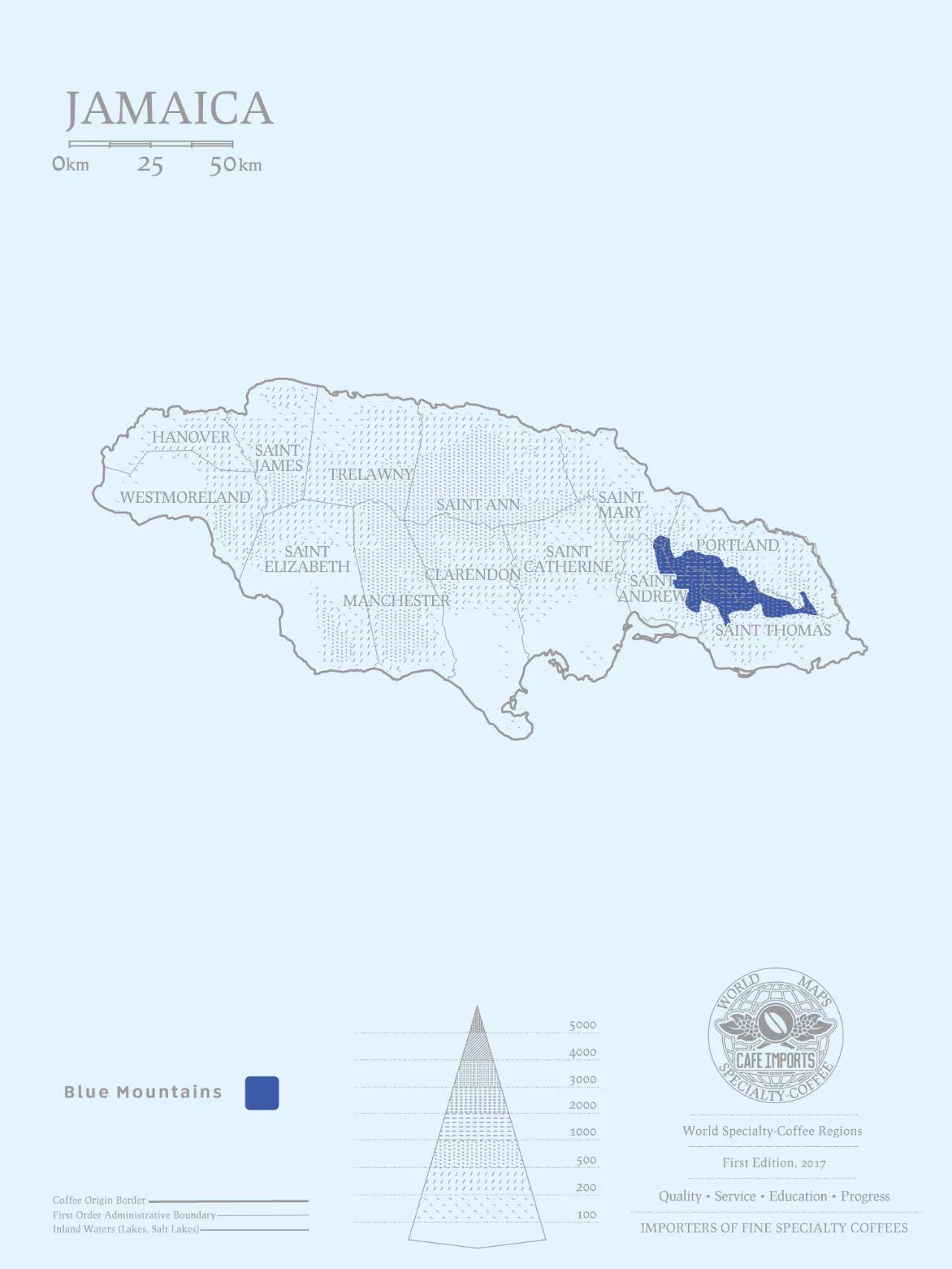
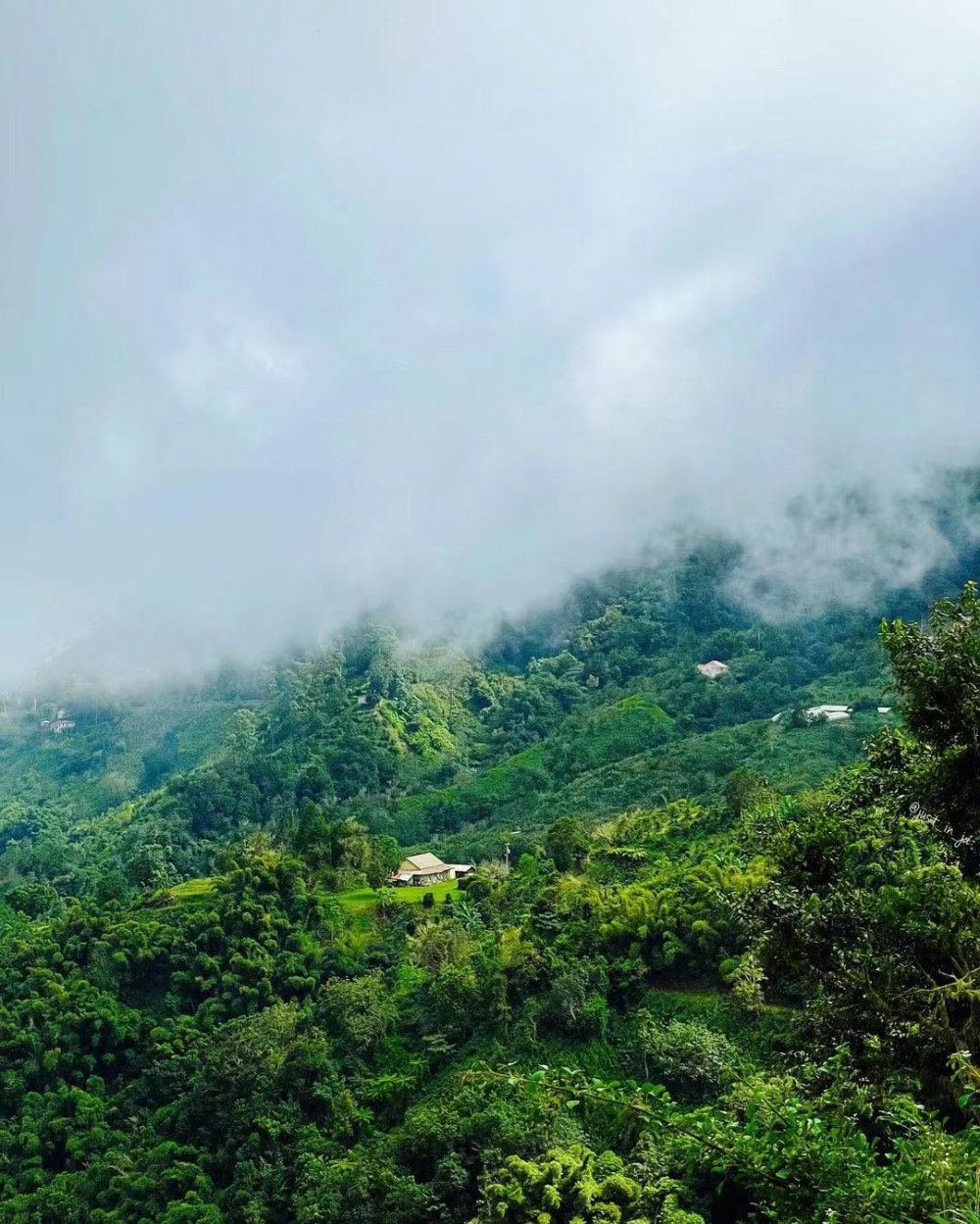
The origin of the name “Blue Mountain coffee” dates back to the 18th century during the British colonial period. The Typica variety introduced at that time thrived in the unique environment of the Blue Mountains — with an average annual temperature of 20 degrees Celsius, year-round cloud cover, and high-altitude terrain (mainly between 910 and 1700 meters), resulting in its distinctive rich flavor. It is worth noting that authentic Blue Mountain coffee accounts for only a very small portion of global coffee production, with an annual output of less than 1,000 tons, and historically, 90% of it has been supplied to the Japanese market.
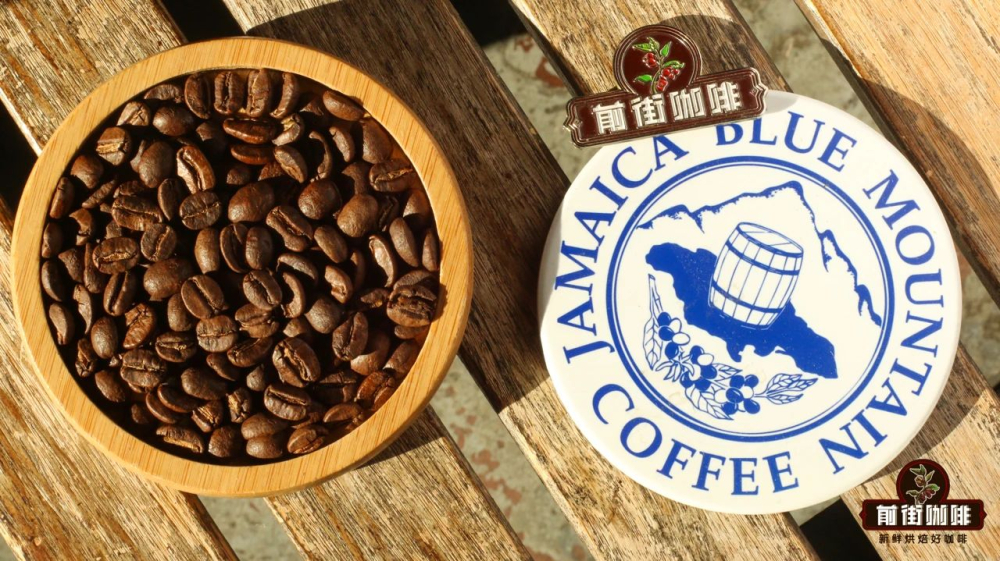
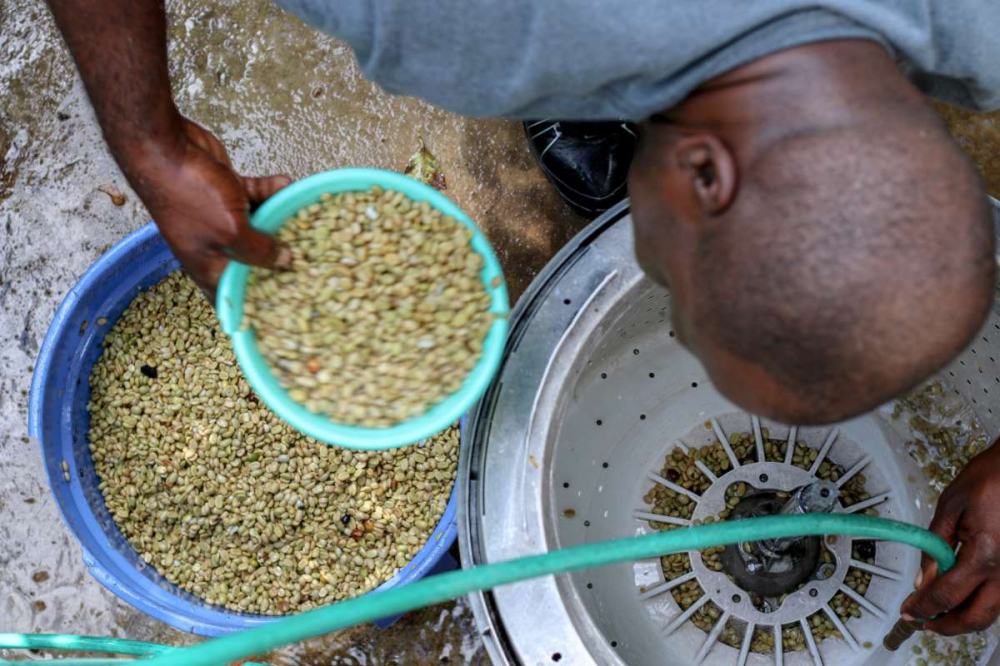
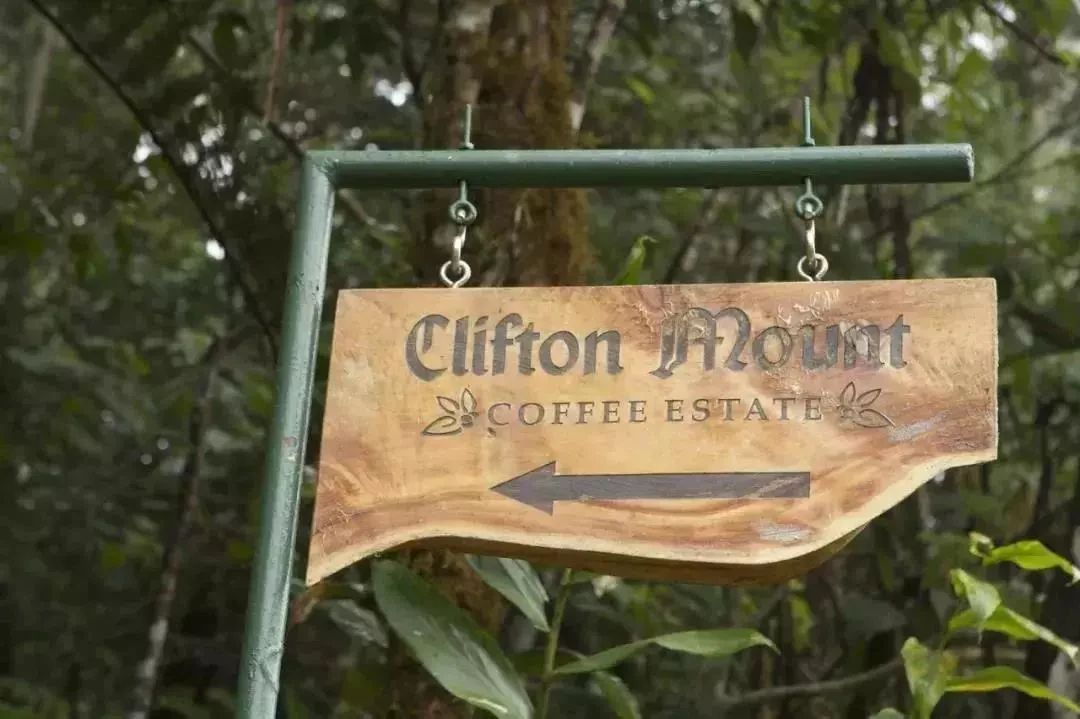
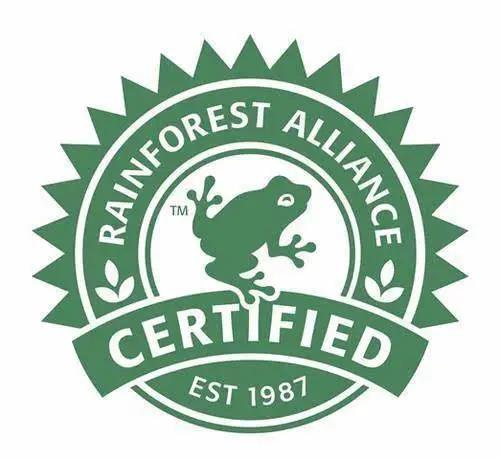
The oldest surviving Clifton Estate is not only an important producing region for Blue Mountain coffee, but also holds certification from the Rainforest Alliance. A key identifier of its products is the green frog logo on wooden barrels — the only Blue Mountain estate globally to receive this environmental certification. Compared to common natural (sun-dried) processing, Blue Mountain coffee is generally processed using the washed method, which better preserves the bright acidity and brown sugar sweetness unique to the Typica variety. When brewed, it presents a silky-smooth mouthfeel like cream, with a nutty-cocoa finish.
Looking back at the development of Blue Mountain coffee, it once peaked in the early 19th century with 686 plantations and an annual export volume exceeding 15,000 tons. However, labor shortages after the abolition of slavery, coupled with a collapse in production in the mid-19th century, led to a gradual recovery in quality only after the establishment of the Central Washing Factory in 1944. The exclusive supply agreement with Japan in 1971 further directed the majority of premium Blue Mountain coffee to the East Asian market for a long time, making the supply of authentic beans in the market extremely scarce.
To identify genuine Blue Mountain coffee, three core elements must be considered: first is the origin certificate issued by the CIB, followed by officially certified authorized sales documents, and finally, the strict geographical indication that the beans are grown at altitudes above 2,200 feet (approximately 670 meters). Within the grading standards, NO.1 requires 96% of beans to be of 17/18 mesh size with an extremely low defect rate, while PB peaberry refers to beans with a unique oval single-seed form. If commercially available products are not packaged in Jamaica’s official wooden barrels (other regions typically use jute sacks), their authenticity is questionable.
Professional brewing recommendations include using medium-coarse grind (75% passing through a 20-mesh sieve), with a 1:15 coffee-to-water ratio and water temperature of 88–89°C. Practical tests show that using a KONO filter cone, blooming 30 grams of coffee grounds for 30 seconds, then pouring in stages of 100 grams → 65 grams of water can effectively extend the contact time between water and coffee grounds to 1 minute and 50 seconds, fully extracting the signature black chocolate and nutty flavors of Blue Mountain coffee. This parameter combination is especially suitable for highlighting its high body and balanced acidity-sweetness structure, avoiding bitterness due to over-extraction.
Common market misconceptions include confusing “Blue Mountain flavor” flavored beans with beans from authentic producing regions, or believing in so-called “high-altitude blends” without CIB certification. Consumers should pay special attention: the wooden barrels of real Blue Mountain coffee are engraved with regional codes, and each batch of exports is accompanied by government-issued quality certificates. In addition, grades such as NO.2 and NO.3, though lower in price, still must meet specifications of 16 mesh/15 mesh or larger beans and corresponding defect rate standards — this detail often serves as an important indicator of professional discernment.
For coffee enthusiasts pursuing ultimate flavor, it is recommended to purchase NO.1 grade Blue Mountain coffee through officially certified channels, paying attention to the indicated altitude range (ideally 1300–1500 meters). When actually tasting, you can observe the crema layer using a ceramic sharing pot — the oil from authentic Blue Mountain coffee should exhibit an amber sheen and good persistence, which also serves as auxiliary evidence for assessing freshness and roast level.
The above content is compiled by CoffeeHunters, a coffee news website.


