







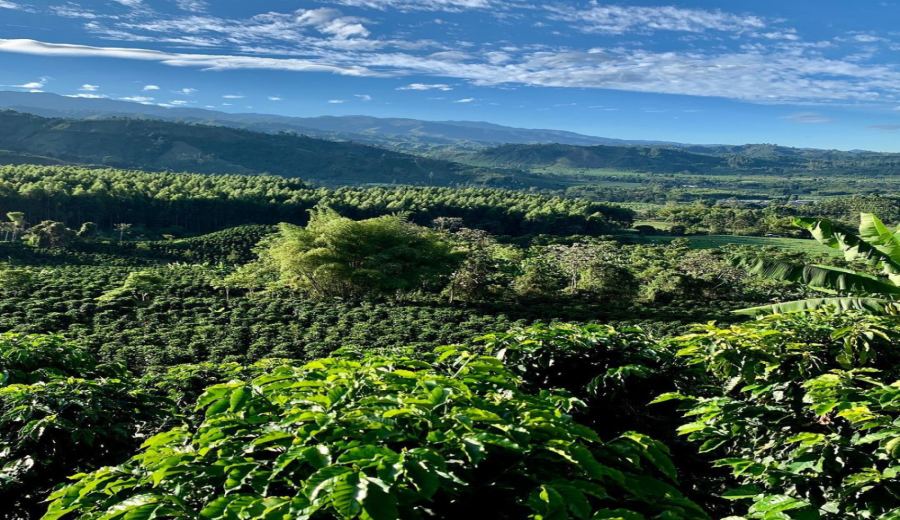
Introduction:Both Colombian and Brazilian coffee beans originate from Central and South America and belong to the Arabica species, yet they each possess distinct characteristics in terms of flavor, growing environment, and processing methods. This article provides an in-depth analysis of the differences between these two major producing regions in terms of altitude, variety, processing method, and flavor profile, and recommends a high-altitude washed coffee bean from Colombia’s Huila region. It also includes practical medium-dark roast pour-over brewing parameters to help you better appreciate the unique charm of coffee from both regions.
Colombia and Brazil are both located in Central and South America and are globally significant producers of Arabica coffee, but the coffee beans produced in these two regions exhibit vastly different flavor profiles. Colombian coffee is often characterized by its refined acidity and berry-like notes, whereas Brazilian coffee is typically low in acidity, full-bodied, and rich in nutty and chocolatey aromas. These differences are closely related to factors such as planting altitude, variety selection, climate conditions, and processing methods.
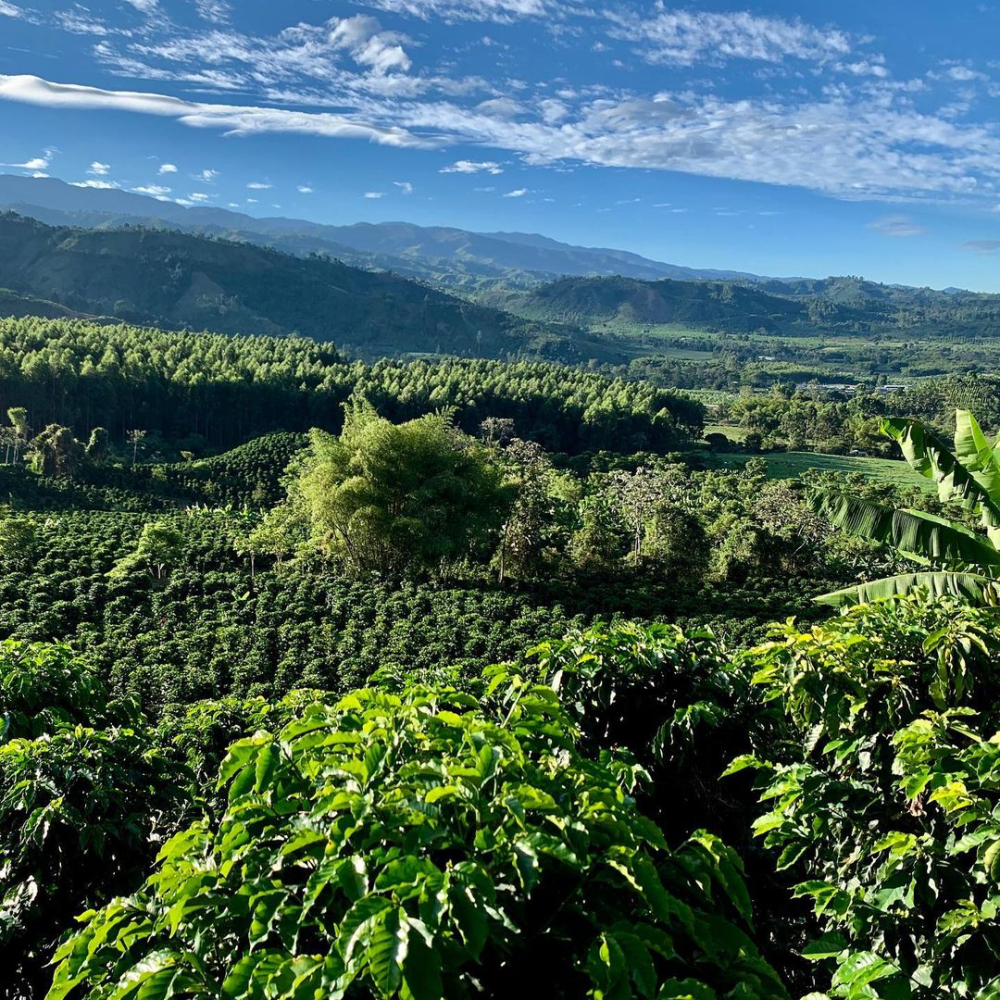
Altitude is one of the key factors influencing coffee flavor. Generally speaking, the higher the altitude at which coffee is grown, the denser the beans, the more complex the flavor layers, and the brighter the acidity. There are notable differences in altitude distribution between Colombia and Brazil, which directly contribute to the distinctly different flavor profiles of their coffees.
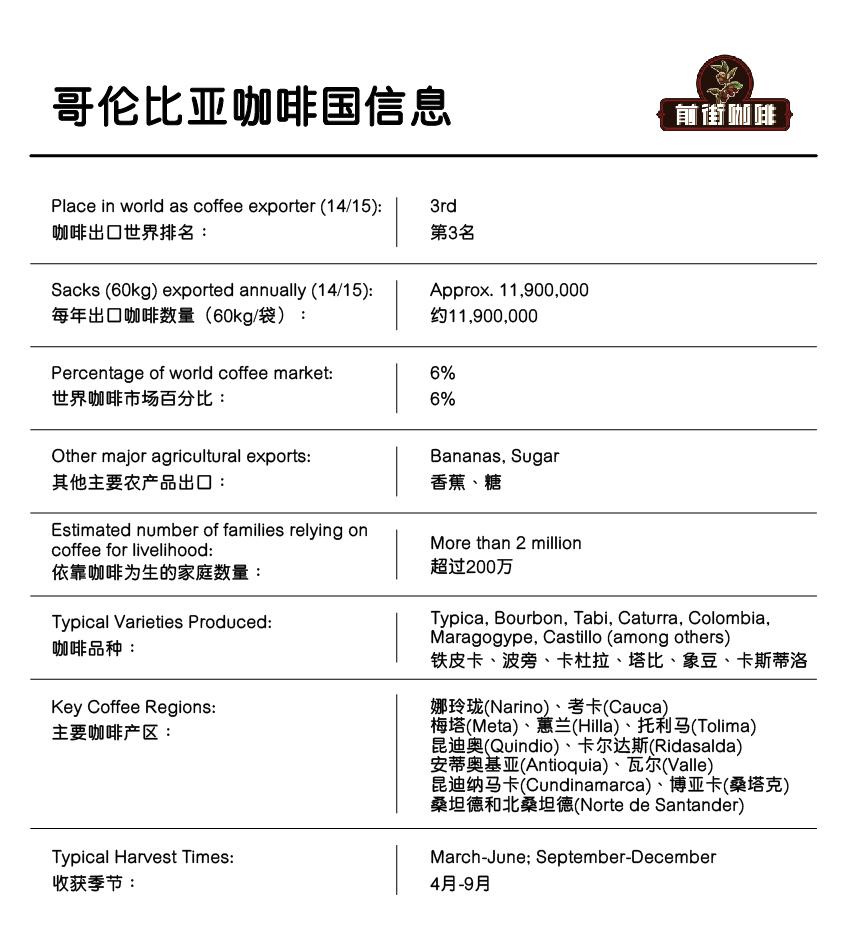
First, in terms of production volume, Brazil is the world’s largest producer of Arabica coffee, with an annual output exceeding 35 million bags (each bag weighing 60 kilograms), accounting for over one-third of the global market. Its main varieties include Bourbon, Caturra, Catuai, and Mundo Novo. However, these varieties show significant seasonal fluctuations, often resulting in differing yields in odd and even years, which leads to more volatile pricing. In contrast, Colombia is the world’s second-largest Arabica producer. Not only does it lack pronounced production cycles, but its location in low-latitude, high-altitude regions also allows for year-round harvesting, resulting in relatively stable output. Colombia primarily cultivates Caturra and Catuai varieties, mostly in its southern high-altitude areas.
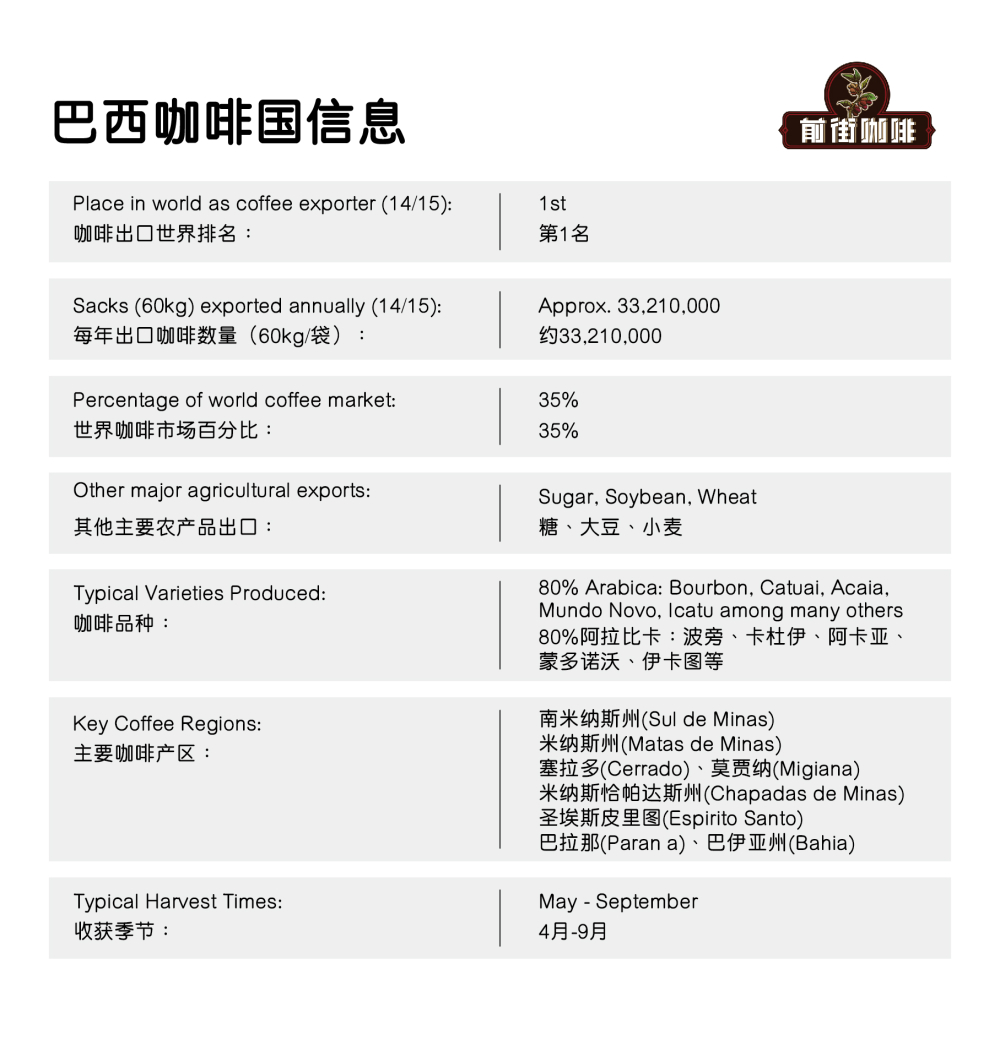
Brazil’s coffee cultivation history dates back to 1727, when it was first introduced in the Pará Province near the equator, and later gradually expanded southeastward. Due to frequent frosts in the southeastern region during winter, which are unfavorable for coffee fruit ripening, the main specialty coffee-producing areas are now concentrated in the warmer climate of Minas Gerais. Compared to other Central and South American producing regions, Brazilian coffee is generally cultivated at lower altitudes, mostly below 1,000 meters. Although there are some high-altitude areas, such as the Fazenda Rainha estate at over 1,400 meters, they remain relatively rare. Owing to its flat terrain, lack of microclimates, and prevalence of sun-dried processing, Brazilian coffee typically exhibits low acidity, a full body, and pronounced nutty and chocolatey flavors—making it suitable for those who prefer less acidic profiles.
In contrast, Colombia benefits from its low-latitude, high-altitude mountainous environment, which offers an ideal setting for coffee cultivation. Its main growing regions are situated between 1,200 and 1,900 meters above sea level, especially in the southern areas where altitudes often exceed 1,500 meters. The large diurnal temperature variation aids in the slow maturation of coffee cherries, allowing them to accumulate richer flavor compounds. Colombia’s commercial-grade coffee is mostly grown in the central and northern regions at lower altitudes, resulting in more balanced and mild flavors with less pronounced acidity. In contrast, specialty-grade coffee is concentrated in the southern high-altitude zones, often featuring refined acidity, berry notes, and captivating caramel sweetness.
In terms of processing methods, Brazil and Colombia also have their respective preferences. Brazil commonly employs the pulped natural (semi-washed) process, in which the skin and pulp are removed while some mucilage is retained for sun drying. This method allows for controlled fermentation, maintaining the cleanliness associated with washed processing while also imparting the sweetness and fermentation complexity of natural processing—a common practice for Brazilian specialty coffee. On the other hand, Colombia predominantly uses the washed process, where coffee cherries are depulped, fermented to remove mucilage, then washed and dried. This approach reduces defect rates, results in a cleaner and brighter acidity, and better highlights the terroir characteristics of the region.
For those looking to experience the refined flavors of high-altitude washed Colombian coffee, we recommend trying a specialty-grade everyday coffee bean from the Huila region. This region sits at an altitude of 1,500 to 1,800 meters and grows the Caturra variety, processed using the washed method. After medium-dark roasting, it exhibits enticing aromas of black chocolate, nuts, and caramel, along with soft acidity and a well-balanced, layered profile.
This Huila coffee is well-suited for medium-dark roast pour-over brewing using a KONO filter. Recommended parameters are as follows: water temperature around 90°C, grind size at 75% passing rate through a standard #20 sieve (equivalent to a medium-fine grind), brew ratio of 1:15, with 15 grams of coffee. Use a three-stage pouring method. First, place the ground coffee in the filter and pour hot water equal to twice the coffee weight (approximately 30 grams) for a 30-second bloom. Then pour in a small circular motion from the center outward until you reach 125 grams for the first pour. After the coffee bed settles, continue pouring to 225 grams to complete the extraction, keeping the total brew time around 2 minutes. These parameters help fully express the nutty, chocolatey, and caramel notes while avoiding over-extraction that could lead to bitterness.
After brewing, this coffee delivers an immediate impression of rich chocolate and nut flavors, accompanied by soft caramel notes. The mouthfeel is full-bodied and smooth, with gentle acidity that is not overly sharp. As the cup cools slightly, subtle layers of fruity acidity become more apparent. It’s a high-value choice, perfect for everyday drinking and for those wishing to explore the unique characteristics of the Huila region.
The above content is compiled by CoffeeHunters, a coffee news website.


