








Introduction:Dive deep into the Musician Series Bach coffee from Costa Rica’s Tarrazú region to discover how its raisin honey process delivers intense fruity notes and high sweetness. This article details the origin’s altitude, processing steps, flavor profile, and compares the impact of different processing methods to help you choose the perfect specialty beans for pour over or French press.
The Bach coffee in the Musician Series is a premium bean sourced from the high-altitude Tarrazú region of Costa Rica. Grown at approximately 1,950 meters above sea level, it falls under the SHB (Strictly Hard Bean) grade, features the Caturra variety, and is processed using the raisin honey method, which gives it unique sweetness and fruity character. This coffee not only emits aromas of strawberry, blackberry, and raisins in its dry scent but also showcases bright acidity and layered vinous notes after brewing, making it ideal for coffee lovers who enjoy a balance of fruitiness and sweetness.
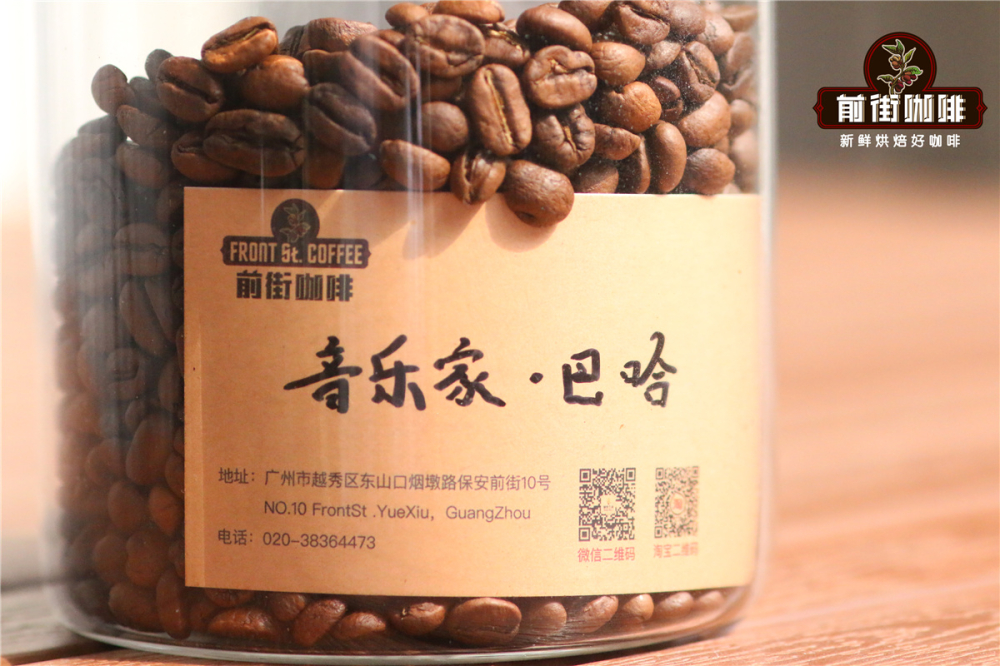
The flavor profile of Bach coffee is highly reminiscent of Baroque aesthetics—starting with intense fruity notes upon the first sip, transitioning to a fresh, sweet acidity in the mid-palate, and finishing with vinous aromas and candied sweetness in the aftertaste. The overall expression is delicate and dynamic. As the cup cools, a plum wine-like finish gradually emerges, evoking the atmosphere of a meticulously crafted red wine cellar. These flavor characteristics are primarily attributed to its special raisin honey processing method and the robust bean quality fostered by the high-altitude growing environment.
The raisin honey process is a nearly 100% mucilage-retention method that avoids water washing entirely, making it a highly challenging honey processing technique. On the day of harvest, coffee cherries are first subjected to floatation to remove underripe or overripe defective beans by leveraging buoyancy differences, keeping only those that sink—mature and plump. Next, the husked coffee fruits are placed on raised beds for at least three days of initial drying. Once the outer pulp slightly contracts, the cherry skin is removed, leaving the intact mucilage layer, which then continues the sun-drying process.
The key to this method lies in precisely controlling the drying time and temperature—to avoid premature fermentation of the mucilage that can cause off-flavors, while also preventing insufficient fermentation that would diminish flavor intensity. Compared to traditional honey processing, the raisin honey method retains all the mucilage, significantly enhancing the coffee’s sweetness and wine-like aroma while delivering an acidity balance akin to white wine. This processing approach is also common in other high-end beans, such as Mozart and Strawberry Sugar · Geisha blends. After medium-light roasting, it amplifies tropical fruit aromas like pineapple, jackfruit, and sweet orange. It’s highly suitable for pour over or French press brewing, and can also be used for cold drip or cold brew coffee.
Notably, the 2020 new season Musician Series Mozart coffee introduced the new H1 variety for the first time. H1, fully named Centroamericano H1, is a hybrid variety cultivated through long-term research by Nicaragua’s Sebaco laboratory. Its parentage includes Rume Sudan and Sarchimor T-5296. Among them, Rume Sudan was originally discovered in the Rume Valley of the Boma Plateau in Sudan and possesses outstanding flavor potential, though it was originally less resistant to disease. Through hybrid improvement with the Sarchimor line, the H1 variety not only retains excellent flavor genes but also improves yield, environmental adaptability, and resistance to leaf rust. However, potential threats from American leaf spot disease still need attention.
In addition to the variety upgrade, that year’s Mozart also adopted anaerobic honey processing technology to further enhance its flavor profile. This method first removes the coffee fruit’s skin, then places the seeds with intact mucilage into specially designed sealed metal tanks for 48 hours of anaerobic fermentation. This process promotes the generation of specific flavor compounds, resulting in a final coffee with richer raisin aromas. After fermentation, the beans are moved to a sun-drying field to lock in the complex flavor molecules produced during fermentation.
Overall, Bach coffee leverages the high-quality green beans from the Tarrazú high-altitude region, combined with the precise craftsmanship of the raisin honey processing method, to create a premium coffee with intense fruitiness, high sweetness, and delicate vinous notes. Whether brewed via pour over, French press, or cold brew, it fully showcases its richly layered flavor profile—making it an unmissable choice for coffee enthusiasts seeking a balance of fruit and sweetness.
The above content is compiled by CoffeeHunters, a coffee news website.


