







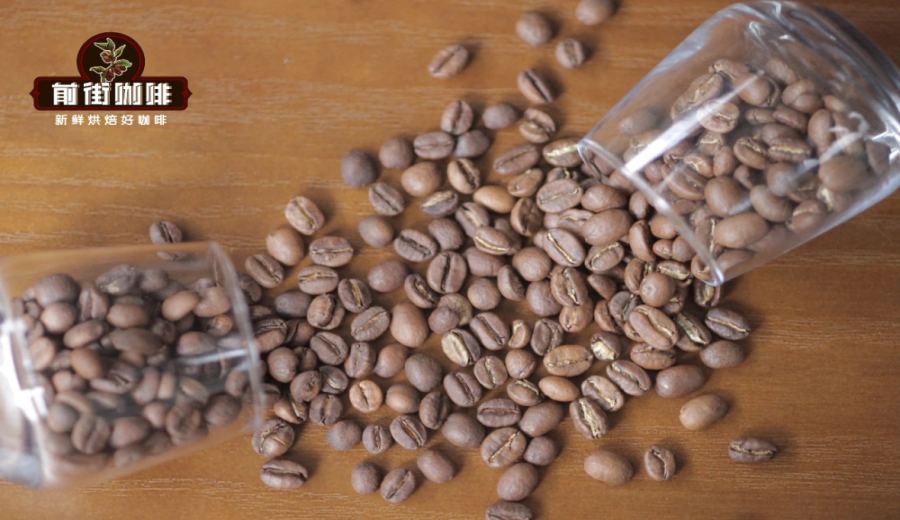
Introduction:Yirgacheffe is not only a renowned coffee-growing region in Ethiopia but also a symbol of flavor. This article delves into the geographical background and trademark origins of Yirgacheffe, provides a detailed breakdown of each step and consideration in the washed processing method, and supplements the Ethiopian green bean grading system. It also offers practical pour over parameters and the flavor profiles of three washed Yirgacheffe coffees to help readers establish a clear understanding of specialty coffee from the ground up.
The name Yirgacheffe is, for many coffee enthusiasts, the starting point of their journey into the world of specialty coffee. It is both a high-altitude town in Ethiopia and an officially trademarked coffee flavor name. This article will begin with the geographical and trademark history of Yirgacheffe, guiding you through the complete process, advantages, and potential risks of washed processing, and analyzing Ethiopia’s green bean grading system. Additionally, it will provide actual flavor descriptions and pour over parameter suggestions for three washed Yirgacheffe coffees, allowing you to more comprehensively grasp the characteristics of this classic coffee.
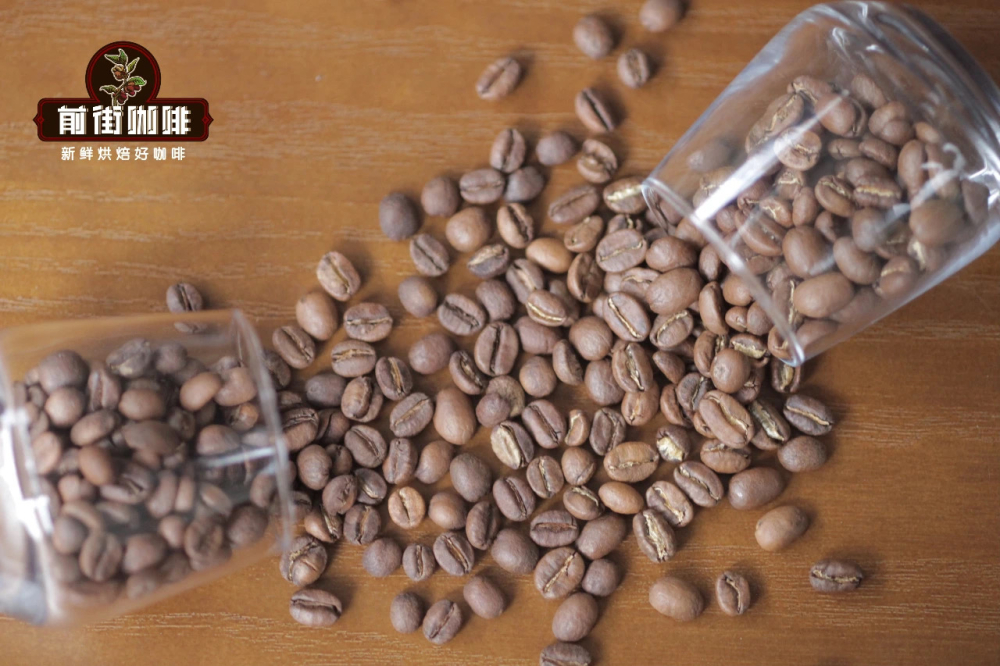
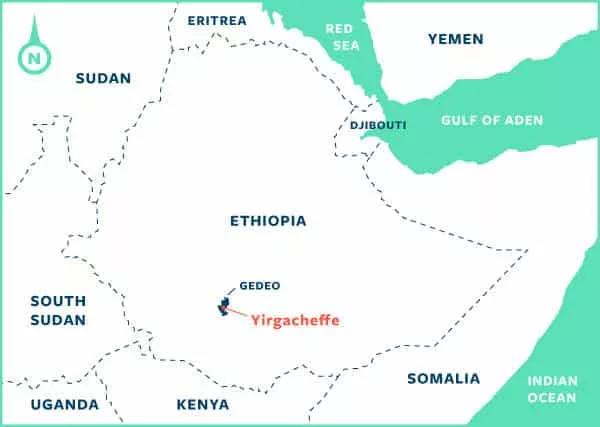
Ethiopia possesses the world’s richest coffee gene pool, with numerous native varieties and diverse processing techniques, resulting in an ever-changing flavor profile. Although Yirgacheffe belongs to the larger Sidamo growing region, it is singled out as a distinct flavor category due to its unique citrus, floral, and tea-like notes. As early as 2004, the Ethiopian government registered three well-known growing regions, including Yirgacheffe, as commercial trademarks to protect their unique market positioning and reputation. Therefore, the term “Yirgacheffe” today refers not only to a geographical location but also to a type of coffee flavor that is bright, clean, and elegant.
The town of Yirgacheffe is located on the eastern edge of the East African Rift Valley, at an altitude of about 1,800 to 2,000 meters, with rugged terrain and a cool climate. To the west lies Lake Abaya, which provides abundant water, giving the area a natural advantage for washed processing. In addition to the town itself, neighboring sub-regions such as Wolkite and Kochere are often included within the Yirgacheffe flavor circle. The coffee here excels in washed processing, showcasing bright acidity and delicate floral notes, making it a popular choice for many beginners entering the world of specialty coffee.
Washed processing is widely recognized in the specialty coffee industry as a method that highlights clarity and flavor complexity. Its steps include sorting, depulping, fermentation, washing, drying, and hulling, with each stage influencing the final coffee quality. First, harvested coffee cherries are soaked in water, where differences in density between ripe and unripe fruits allow for initial screening—the ripe fruits that sink proceed to the next stage. Next, machines remove the skin and pulp, but a layer of mucilage remains on the beans, which must be removed through fermentation.
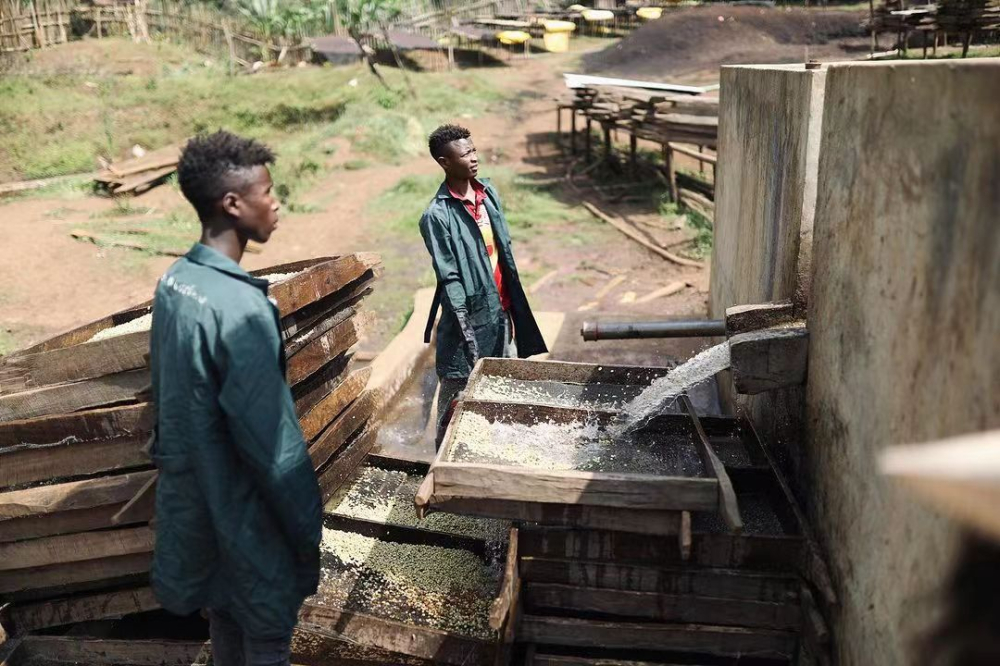
Fermentation is the most critical and error-prone stage in washed processing. The fermentation period typically lasts 18 to 36 hours and is divided into wet and dry methods—the former uses added water to accelerate breakdown, while the latter does not. Poor management during fermentation can easily produce unpleasant fermented odors, severely affecting the coffee’s final flavor. Therefore, keeping the fermentation tank clean and controlling the environment are crucial. After fermentation, the beans are transferred to a washing channel, where friction between the beans and water removes the residual mucilage until the surface becomes smooth and clean.
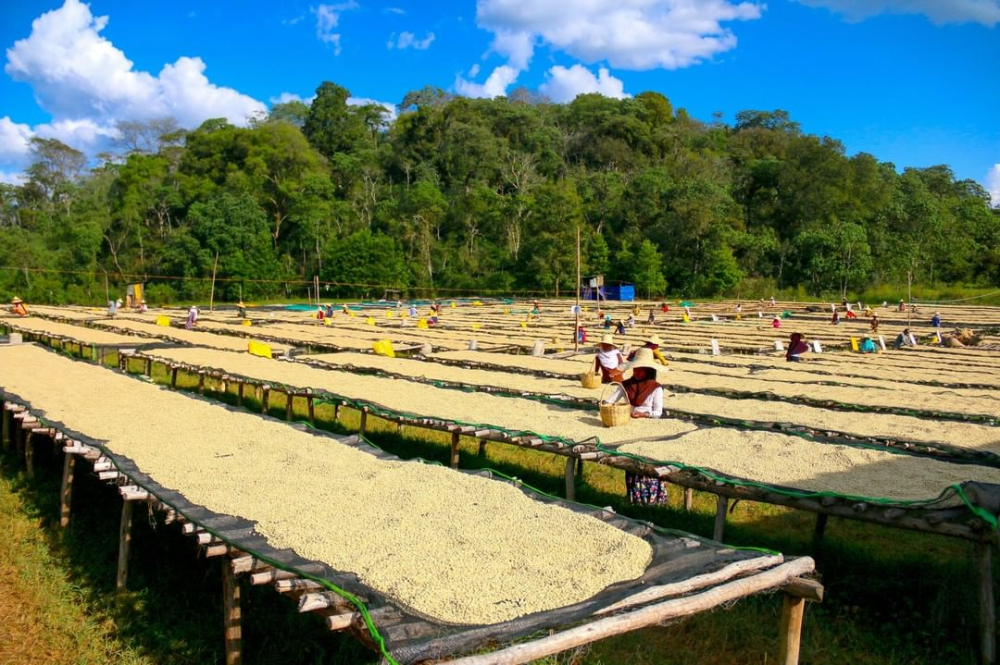
After washing, the coffee beans are still covered by the parchment layer, with a moisture content as high as 50%. They must be dried appropriately to reduce the moisture level to below 12% to prevent mold. Traditional methods often use sun drying, which takes about 1 to 3 weeks and can preserve richer flavor layers; some areas use mechanical drying, which is more efficient but usually results in slightly inferior flavor compared to sun drying. Once dried, the beans undergo hulling to remove the parchment and silver skin, ultimately becoming the familiar green beans we know.
Ethiopia’s coffee grading system was previously overseen by the CLU department of the Ministry of Agriculture, primarily based on the number of defective beans in a 300-gram sample. Washed beans are typically graded G1 to G2, indicating very few defects and higher quality; natural (sun-dried) beans, due to technical limitations, were often graded G3 to G5 in the past, but with advancements in processing techniques, many now also meet high standards. Several washed Yirgacheffe coffees listed by a certain coffee brand, including those from the Gutedu Cooperative and the Kochere sub-region, fall into the high-quality washed bean category and are suitable as entry-level choices for understanding the regional flavor.
Given the characteristics of washed Yirgacheffe, it is recommended to use a medium-light roast to preserve its bright acidity and delicate floral notes. For pour over, you can choose a V60 filter, with a water temperature of 90 to 91°C. The suggested powder-to-water ratio is 1:15, and the grind size should be around that of fine sugar (about 80% passing through a #20 sieve). Specific brewing steps can be as follows: start with a 30-second bloom using 30 grams of water, then pour 95 grams of water (totaling about 125 grams), followed by another 100 grams of water (totaling about 225 grams) after about 1 minute, and finish dripping at 2 minutes and 4 seconds. These parameters fully highlight Yirgacheffe’s citrus, berry, and tea-like characteristics, delivering a clear and layered flavor.
In terms of actual tasting, washed Yirgacheffe beans typically exhibit pronounced lemon and citrus acidity, complemented by aromas of jasmine and black tea, with a refreshing mouthfeel and a sweet aftertaste. For example, the version from the Gutedu Cooperative immediately presents citrus and black tea flavors, gradually revealing delicate aftertastes of cream, caramel, and almonds as the temperature changes; the beans from the Kochere region are dominated by lemon, plum, and Tieguanyin aromas, with caramel notes becoming more pronounced as the coffee cools, offering a balanced acidity and sweetness with a long-lasting finish. These characteristics make Yirgacheffe a “classic entry point” for many coffee lovers and an excellent subject for developing flavor recognition skills.
The above content is compiled by CoffeeHunters, a coffee news website.


