







Introduction:Geisha coffee is renowned for its unique floral and fruity aromas and silky smooth taste, making it a star variety in the specialty coffee world. This article delves into the varietal history and cultivation characteristics of Geisha, compares flavor differences between the two major producing regions—Panama and Ethiopia—and provides practical pour over parameters and a three-stage extraction method to help you fully showcase Geisha’s multi-layered flavors. Whether you're a beginner or an advanced coffee enthusiast, you’ll benefit from it.
Geisha (Gesha) is one of the most talked-about varieties in the global specialty coffee market, celebrated for its distinctive floral notes, bright acidity, rich body, and captivating aftertaste. This coffee often carries complex aromas of rose, citrus, and peach, paired with honey-like sweetness and an oolong tea-like finish, making it feel more like sipping a premium fruit tea than just plain black coffee.
Many first-time Geisha drinkers often worry that they won’t be able to brew out its intended layers and flavors. In fact, as long as you understand the bean variety’s background, the characteristics of its producing regions, and the appropriate pour over techniques, you can easily enjoy the charm of Geisha. The following will start with the origin of the variety, analyze the differences between Panama and Ethiopia—the two major producing regions—and offer practical pour over suggestions to give you a comprehensive understanding of Geisha coffee.
The Geisha variety originally comes from the high-altitude virgin forests of southwestern Ethiopia. Local researchers discovered this coffee tree while searching for new disease-resistant varieties, and it was named after the nearby Geisha mountain where it grew. In 1954, the variety was introduced to Costa Rica under the designation T2722. Over the following decades, it was trialed in several Central and South American countries, but due to its low yield and fragile plants, it long remained overlooked. It wasn’t until 2003 that Panama’s Peterson Family (of Hacienda La Esmeralda) rediscovered this variety, and in 2004, it won first place in the “Best of Panama” competition. Since then, Geisha has gained immense fame and become a top-tier representative of specialty coffee.
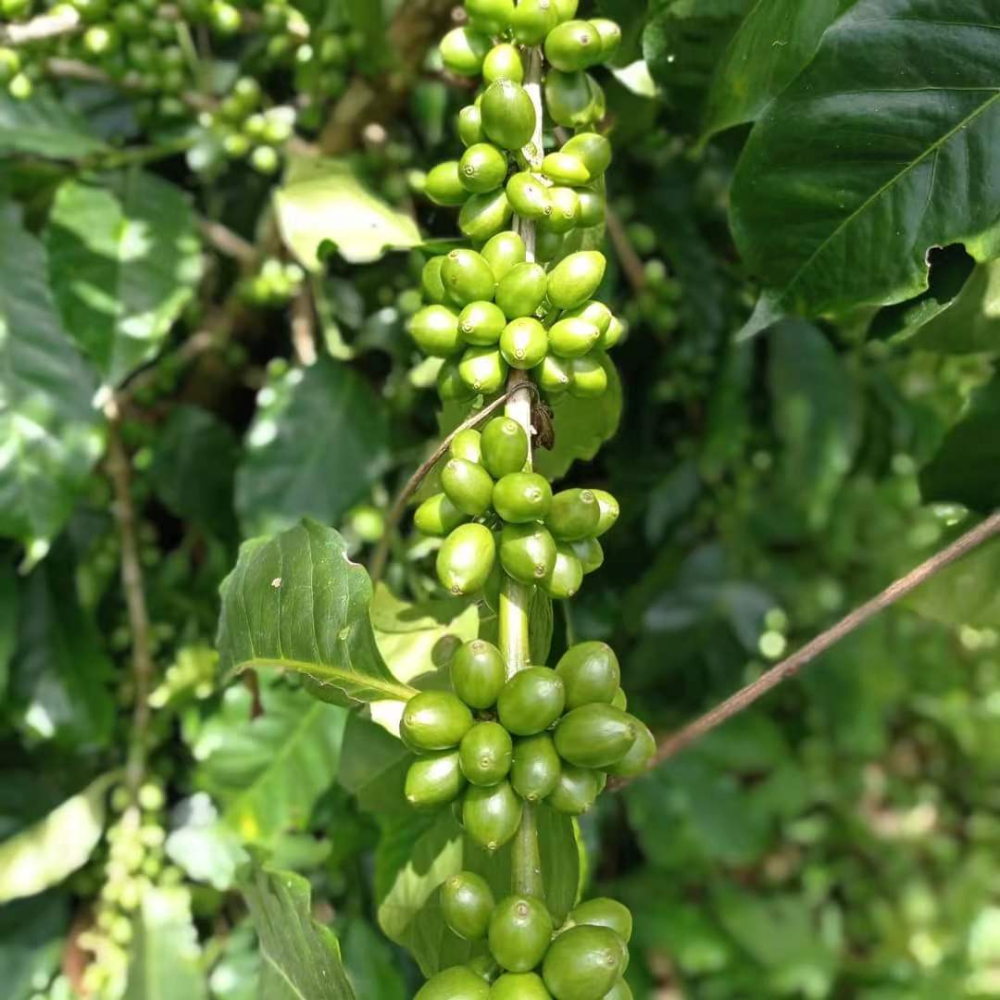
Geisha is extremely demanding in terms of its growing environment. It requires high altitudes, fertile soil, and an environment with appropriate shading or cloud cover. Strong direct sunlight can negatively impact its growth. According to growers in the producing regions, Geisha coffee trees need substantial shade tree protection and also require traditional pruning methods in their early stages to stay healthy, otherwise they can easily die. The high altitude extends the ripening period of the fruit, resulting in more intense and layered flavors.
Additionally, Geisha coffee leaves are thinner, making photosynthesis less efficient compared to other mainstream varieties. Coupled with a more fragile root system that absorbs water and nutrients slowly, individual plant yields are only about half that of common varieties like Caturra—another reason for its high price.
As Geisha has repeatedly won accolades in international competitions, coffee farmers around the world have tried growing it. However, due to differences in climate and terroir, the flavor profiles of Geisha from various regions also vary. The most representative are still its birthplace, Ethiopia, and Panama, where Geisha gained its fame.
In Panama, Geisha is mainly concentrated in the Boquete region, located in Chiriquí Province on the eastern side of the Barú Volcano, at elevations between 1,000 and 2,000 meters. Influenced alternately by the warm, humid air currents of the Caribbean Sea and the cold currents of the Atlantic Ocean, along with steep terrain, abundant rainfall, and year-round light mist, a unique microclimate has formed. There are as many as seven microclimate zones, making it an ideal growing area for Geisha.
Hacienda La Esmeralda divides its Geisha-growing areas into three main blocks: Cañas Verdes, Jaramillo, and El Velo, which are further subdivided into multiple smaller sections to ensure each batch of coffee can be traced to its source. Among them, the Jaramillo block sits at over 1,650 meters above sea level. It is both the discovery and cultivation site of the Geisha variety and the primary source of the estate’s Red Label Geisha. Geisha from this area is mainly processed using the natural (sun-dried) method, often exhibiting intense rose floral notes, citrus, berries, and honey aromas, with clearly defined flavor layers.
As for the birthplace of Geisha—Ethiopia—growing altitudes generally reach between 1,900 and 2,000 meters, with some premium areas even higher, helping the coffee cherries accumulate more sugars and flavor compounds. Compared to Panamanian Geisha, Ethiopian Geisha typically has a base of stone fruit aromas such as yellow peach, with a more pronounced sweetness. Some batches even carry a toffee-like aftertaste.
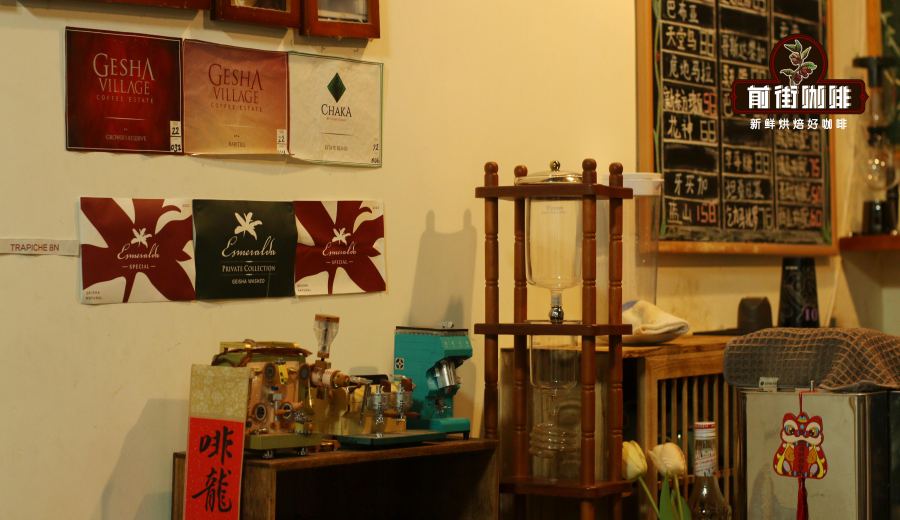
Among them, Gesha Village Estate is one of the representative Geisha-producing regions in Ethiopia. The estate features three cultivars: Gori Gesha, Gesha 1931, and Illubabor Forest. Though sharing the same origin as Panamanian Geisha, they have slight genetic differences. Gesha Village Estate implements a strict grading system, with products divided into Auction, Gold Label, Red Label, Green Label, and CHAKA. The Red Label accounts for about 15% of annual production, with cupping scores reaching SCA standard 88 points or higher, making it a high-value-for-money Geisha option.
Gesha Village Red Label is mostly sun-dried, not only showcasing the typical complex fruit and floral notes but also offering the bright acidity and floral-tea aroma unique to African beans. It's a popular entry choice for many Geisha enthusiasts.
Now that we’ve explored Geisha’s producing regions and flavor characteristics, let’s talk about how to fully bring out its delicate flavors through pour over techniques. Taking the two popular sun-dried Geisha options—Hacienda La Esmeralda’s Red Label and Gesha Village Red Label—as examples, it’s recommended to use a V60 dripper, with a water temperature of 91–92°C, a 1:16 coffee-to-water ratio, and a grind size similar to fine sugar (approximately 80% passing through a #20 sieve). This setup helps improve extraction efficiency while highlighting clear floral and fruity tones.
The V60 dripper’s unique spiral ribs and large hole design extend the contact time between water and coffee grounds, making the flavors more concentrated and layered. Below is a reference for a practical three-stage pour over process for Hacienda La Esmeralda’s Red Label Geisha:
Using 15 grams of coffee grounds, start with a 30-second bloom by pouring 30 grams of water. Use a small stream and circle from the center outward to ensure even saturation of the coffee bed. For the second pour, add 120 grams of water with a vertical and even stream, aiming for around 55 seconds in total and reaching 150 grams of water. Finally, pour the remaining 90 grams using a small stream, slowly adding water until you reach a total of 240 grams. The total extraction time should be about 2 minutes and 10 seconds. After brewing, gently shake the server to evenly distribute the coffee, and it’s ready to enjoy.
The brewed Hacienda La Esmeralda Red Label Geisha offers a refreshing profile with jasmine, citrus, and tropical fruit acidity. As it cools, the layers become richer, and the aftertaste reveals a soft tea-like note. If you choose the Gesha Village Red Label, you may experience brighter tropical fruit, bergamot, and lemon notes, paired with creamy sweetness and subtle fermentation aromas. As the temperature drops slightly, the jasmine floral character becomes even more prominent.
The above content is compiled by CoffeeHunters, a coffee news website.


