







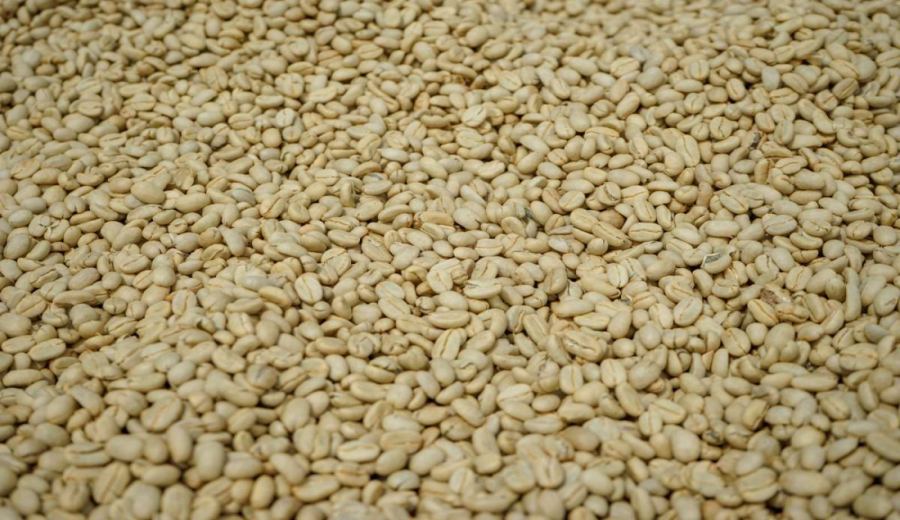
Introduction:As one of Ethiopia’s most iconic specialty coffee regions, Yirgacheffe is renowned for its sun-dried beans that boast intense fruity aromas and sweet flavors. This article delves into the region’s historical background, the flavor differences between washed and sun-dried processing methods, and focuses on a practical guide to using sun-dried Yirgacheffe for cold brew coffee. From grind size and coffee-to-water ratio to optimal steeping time, it provides actionable tips that both beginners and baristas can immediately apply for inspiration.
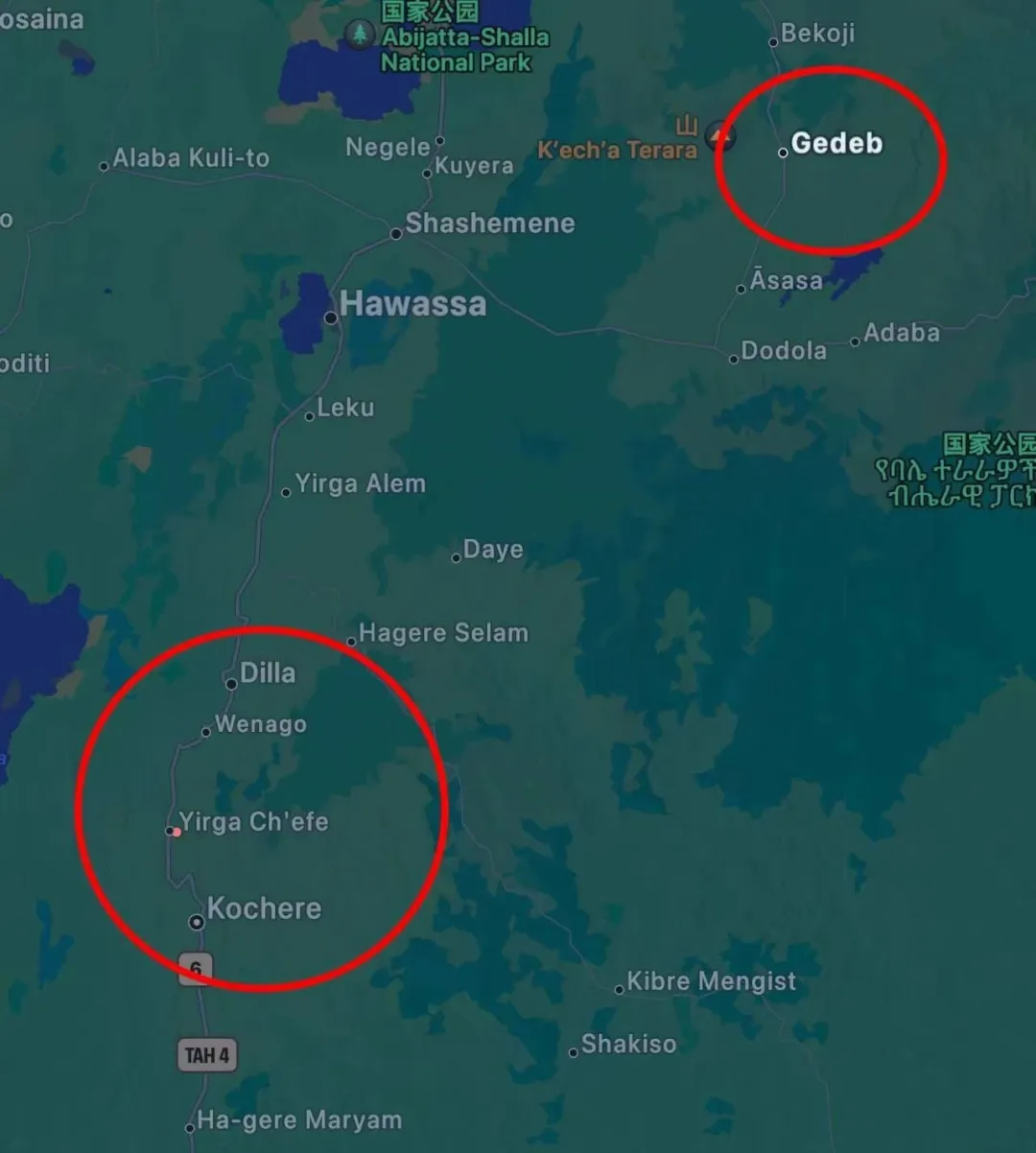
In earlier administrative divisions, the town of Yirgacheffe belonged to the Sidamo region. However, as the global specialty coffee market increasingly favored bright acidity and clear flavor profiles, this small town in southern Ethiopia began to stand out for its distinctive citrus and floral notes. By 2010, the Ethiopia Commodity Exchange officially separated Yirgacheffe from Sidamo, establishing it as an independent and highly regarded coffee region.
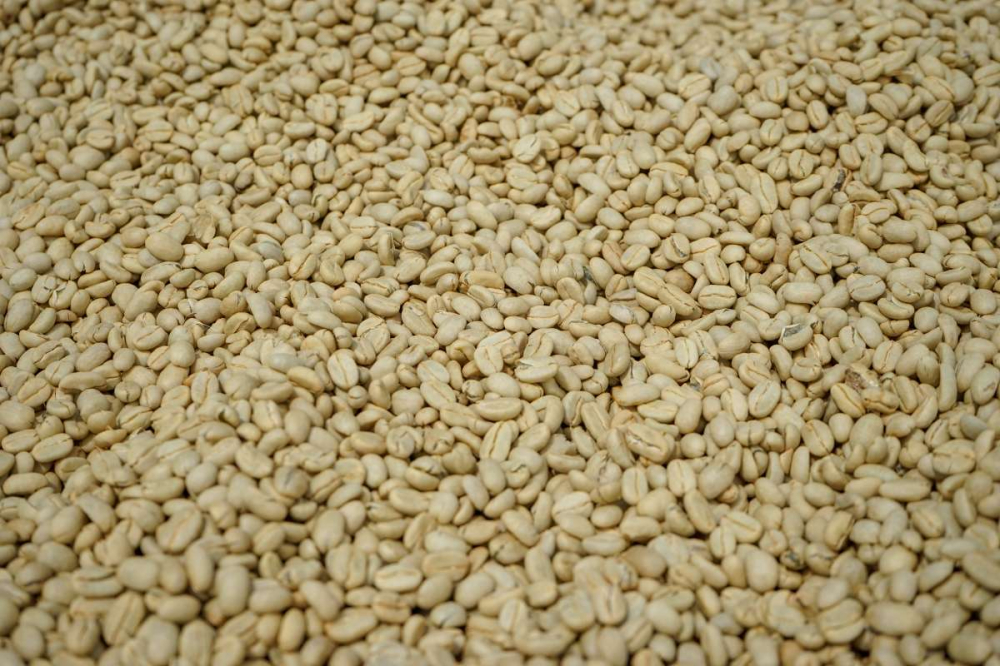
Yirgacheffe coffee beans are primarily processed using two methods: washed and sun-dried. The washed process involves removing the coffee cherry’s skin and pulp, then fermenting the parchment-covered beans in water tanks to remove the mucilage before sun-drying. This method results in a shorter drying time, cleaner flavors, pronounced acidity, and highlights Yirgacheffe’s inherent citrus and floral characteristics. Representative washed lots, such as those from the Kochere Cooperative, often exhibit bright acidity, white flower notes, honey-like sweetness, and subtle tea-like undertones.
In contrast, the sun-dried process involves drying the entire coffee fruit. Under high temperatures, the sugars and natural yeasts in the pulp interact, producing fermented aromas and allowing some sugars to penetrate the bean. As a result, sun-dried beans typically offer richer sweetness and a fuller body, with more intense fruitiness. A representative example is the Red Cherry Konga, whose flavor profile is rounder and better suited for those who enjoy a fruit-tea-like drinking experience.
Yirgacheffe beans are generally roasted to a medium-light level to preserve their bright acidity and delicate floral-fruity notes, while also bringing out a hint of caramel-like finish. In terms of brewing methods, whether pour over, French press, siphon, or even cold brew, each can showcase its diverse characteristics. Among these, cold brew—due to its low-temperature, long-duration extraction—can particularly highlight the sweetness and layered complexity of sun-dried Yirgacheffe, making it a favorite among many coffee enthusiasts.
When making cold brew, it is recommended to prioritize sun-dried Yirgacheffe beans, such as Red Cherry Konga, which have a naturally fuller body that can withstand prolonged low-temperature soaking, resulting in a more layered iced coffee. For grind size, aim slightly finer than pour over—about 75–80% passing through a Chinese No. 20 sieve, equivalent to the coarseness of fine sugar. If using an EK43s grinder, set it to around 9.5–10; for hand grinders like the C40, this corresponds to a setting of 22–26.
Since the cold brew process uses cold water at 4–10°C throughout, extraction occurs slowly. Therefore, it’s necessary to extend the steeping time to fully release aromatic compounds and sugar-based compounds. A recommended steeping duration is 8–18 hours. Based on experimental observations, 6-hour cold brews often lack aroma and have a thin body, while 24-hour brews risk over-extraction, resulting in noticeable bitterness. A steeping time of 10–16 hours usually achieves the best flavor balance—clear aromas and a full-bodied mouthfeel.
The recommended coffee-to-water ratio is between 1:10 and 1:13. For higher concentrations, you can adjust by adding ice cubes. All you need is a clean, sealable container. Weigh out about 40 grams of coffee beans, grind them to the aforementioned fineness, and place them into the container. Add 480 milliliters of cold water, stir well, and cover with a lid. Seal with plastic wrap and refrigerate for at least 12 hours. Afterward, filter out the coffee grounds to enjoy a clear cold brew. For a more concentrated flavor, you may refrigerate the filtered coffee liquid for an additional 4 hours before drinking.
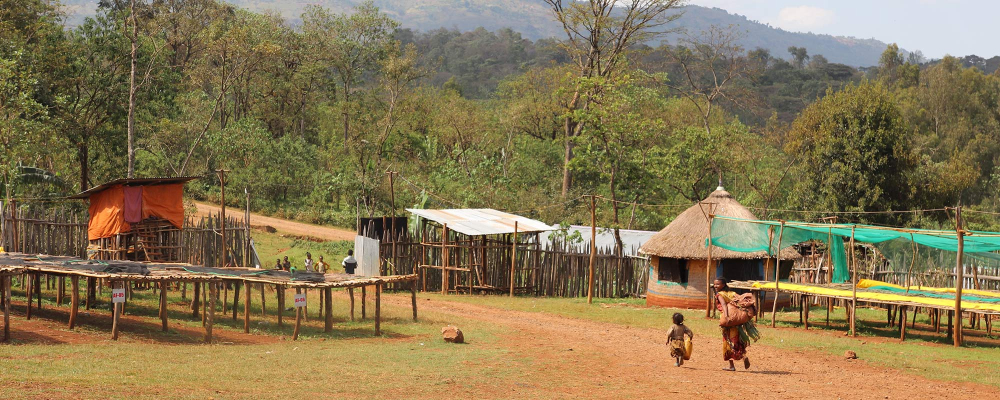
It’s important to note that coffee brewed at low temperatures, whether cold brew or ice drip, has a relatively shorter shelf life. It is recommended to consume the coffee within five days of preparation, whether cold brew or ice drip, to ensure optimal flavor and drinking safety.
The above content is compiled by CoffeeHunters, a coffee news website.


