







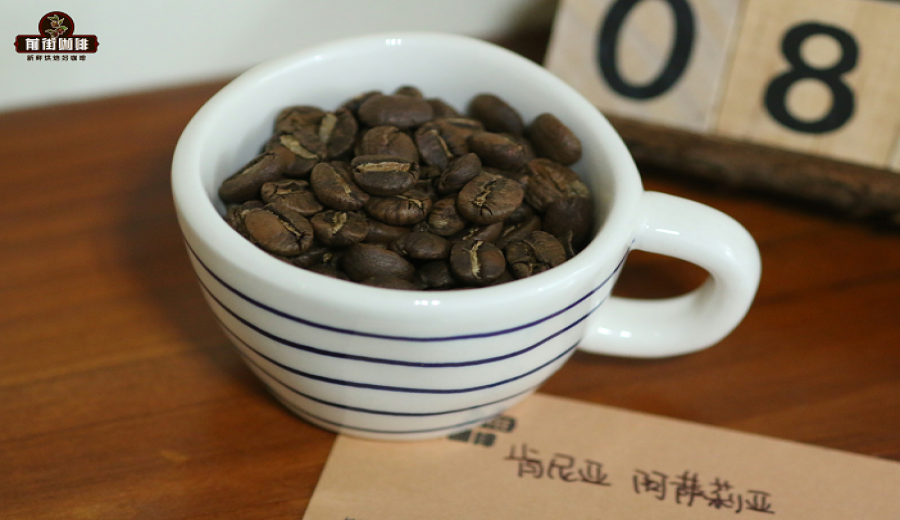
Introduction:Kenyan coffee is renowned for its high acidity and bright flavors, as well as its distinct fruity notes, making it a popular choice for many coffee enthusiasts just starting out. This article delves into the flavor profile of Kenya · Asaliya coffee beans by exploring its growing environment, the characteristics of the SL28 and SL34 varieties, and the classic K72 washed processing method. It also provides practical pour-over parameters for both the V60 and the cake dripper to help you extract the best juicy body and layered complexity.
Kenyan coffee has long been celebrated for its unique fruitiness and crisp acidity, making it one of the most representative African origins in the global specialty coffee market. Among them, the Kenya · Asaliya coffee beans from the Asali washing station in the Thika region are considered classics by many roasters and pour-over enthusiasts. These beans not only showcase deep fruity aromas reminiscent of pears and dark plums but also offer a refreshing acidity with hints of brown sugar and cherry tomatoes, paired with a balanced body — perfect for a V60 or cake dripper pour-over experience.
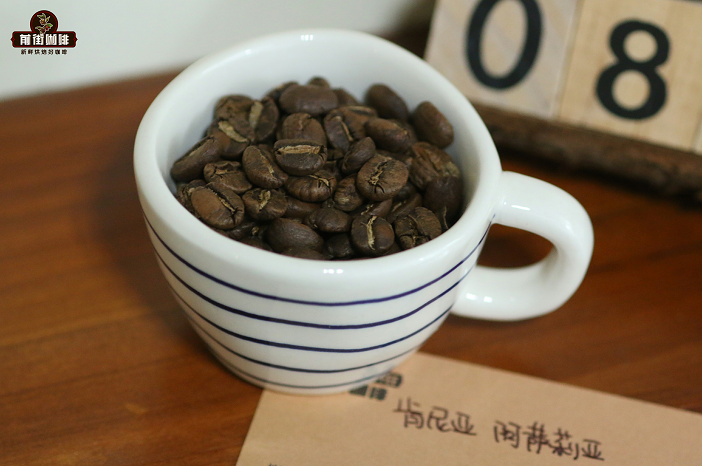
Kenya is located in East Africa, with the equator running through it and the East African Rift Valley stretching from north to south. The terrain is predominantly plateau, with an average altitude of about 1,500 meters and the country’s highest peak, Mount Kenya, reaching 5,199 meters. This topography and climate create an ideal environment for cultivating high-quality Arabica coffee. The main coffee-growing regions in the country are mostly situated between 1,500 and 2,100 meters above sea level, yielding two harvests per year. The coffee produced generally features bright citrus notes and rich layers.
The Kenya · Asaliya coffee beans introduced here are grown in the Thika region, at altitudes ranging from 1,550 to 1,750 meters, and are processed using the washed method at the Asali washing station. The area enjoys a mild climate with moderate day-night temperature variations, along with acidic red soil that offers excellent drainage and a balanced pH level (pH 5.5–6.5), providing ideal growth conditions for coffee trees and laying the foundation for the clarity and fruity expression in the final cup.
These beans are a blend of two classic varieties: SL28 and SL34. SL28 was developed in the 1930s by the then Scott Laboratories (now the National Agricultural Laboratories under the Kenya Agriculture and Livestock Research Organization). It was initially created to adapt to the arid conditions of Tanganyika (now Tanzania). Its young leaves have a bronze color, and although the yield per plant is not high, it is famous for its exceptional flavor profile, particularly its complex fruit acidity and unique sweetness. SL34, on the other hand, offers a slightly fuller body and more pronounced richness. Together, these two varieties give this Kenyan coffee greater depth in terms of acid-sweet balance and aromatic complexity.
In terms of processing, these beans are treated using Kenya’s signature K72 washed process, which is also a benchmark technique for specialty coffee production in the country. On the day of harvest, farmers select the ripest coffee cherries, remove the skins, and perform the first 24-hour fermentation. Then the cherries are rinsed with clean water, followed by repeating the fermentation and washing steps twice more, for a total of three cycles and an accumulated fermentation time of 72 hours. This long-duration, low-temperature fermentation process effectively highlights the beans’ clean and bright acidity while preserving their rich fruity characteristics — one of the key factors behind the vivid flavor of Kenyan coffee.
Regarding roasting, due to the high altitude of origin and the relatively hard bean density, it is recommended to use a medium-to-high heat ramp rate during roasting. The initial charge temperature is about 170°C with a flame power of 100 and the airflow set to 3. Around 1 minute and 42 seconds after the turn (when temperature begins to rise again), once the temperature drops to 140°C, adjust the airflow to 3.5 while keeping the flame power unchanged. When the beans turn yellow (around 149°C) and the grassy aroma fades, the main drying phase begins. After drying is completed (around 7 minutes and 14 seconds), the bean surface starts to show wrinkles and dark spots, and the coffee aroma gradually replaces the bread-like smell, signaling that first crack is approaching. First crack typically begins around 8 minutes and 20 seconds. At this point, it is recommended to adjust the airflow to 4, reduce the flame power to 50, and extend the first crack development time by about 1 minute and 50 seconds. This helps soften the acidity and develop the flavors further, with the roast finishing around 193.3°C to achieve optimal extraction performance.
For pour-over brewing, it is recommended to use either the V60 or the cake dripper. In terms of brewing parameters, the water temperature should be controlled between 88–90°C, with a brew ratio of 1:15, and a grind size recommended to pass about 80% through a Chinese standard No. 20 sieve (i.e., a medium-fine grind). The brewing technique suggested is a pulse pour: start with a 30-second bloom using 30 grams of water, then pour in a small circular motion until the total water reaches 124 grams for the first pour. When the water level is about to expose the coffee bed, continue pouring up to 228 grams, then stop and wait until the water level in the dripper has dropped close to exposing the coffee bed before removing the dripper. The total brew time is approximately 1 minute and 55 seconds.
When brewed with the V60, the flavor profile is clearer. The initial aroma offers floral notes, while the cup brings distinct acidity from cherry tomatoes, citrus, and nuts. The mid-palate reveals creamy aromas and a brown sugar sweetness, with the finish carrying subtle cocoa notes and an oolong-tea-like teainess, resulting in a well-layered cup. If brewed using the cake dripper, the flavor becomes rounder, with livelier fruit acidity and a more pronounced juicy character overall — ideal for those who prefer a refreshing and sweet-tangy profile.
The above content is compiled by CoffeeHunters, a coffee news website.


