







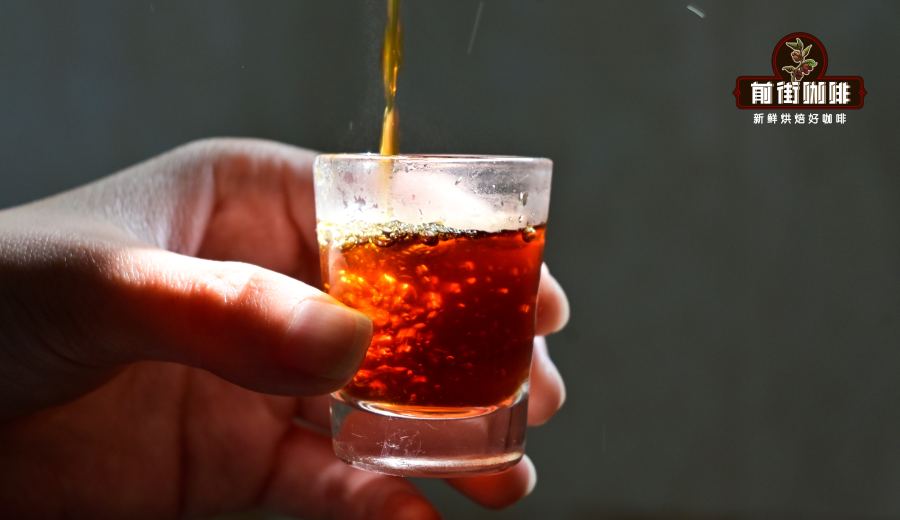
Introduction:Many coffee enthusiasts often lament the noticeable gap between home-brewed pour over coffee and what they taste at specialty cafes. This article takes an example of a COE auction-grade Ethiopian Sidamo Arsi region natural-process Typica as a case study. By examining the regional flavor profile, variety characteristics, and processing methods, it systematically analyzes four key variables that affect pour over performance: grind size, water temperature control, filter choice, brew ratio, and pouring technique. It also provides tested V60 three-stage pour parameters to help readers gradually master how to unlock the full flavor spectrum—strawberry, lychee, honey, and creamy layers—of a bright, juicy natural coffee.
Recently, we launched an Ethiopian Sidamo Arsi region natural-process Typica ranked #22 in the COE auction. Many customers reported a gap between their home-brew results and the café tasting experience. What factors contribute to this flavor difference? This article will start with regional background, variety traits, and processing details to dissect the core elements affecting pour over performance, and through actual operation parameters using the V60 filter, guide you on how to showcase the lively acidity and delicate layers of strawberry, lychee, honey, and creaminess in this natural bean.
Regional Identity & Variety Foundation
This COE#22 coffee comes from the Arsi region in western Sidamo, geographically located between the renowned Yirgacheffe and Harrar. The growing altitude ranges between 1900-2200 meters. The name "Arsi" originates from the long-settled Oromo people branch, and coffees from this area typically exhibit pronounced berry juice character and plum-like acidity—a key clue to understanding the regional flavor profile. When brewing, special attention should be paid to water temperature control to avoid excessive woodiness from too-high heat or flat, one-dimensional acidity from too-low temperatures.
In terms of variety, this bean is officially labeled as Typica. As the original ancestor of all Arabica varieties, Typica is known for its oval or pointed bean shape and bronze-tipped leaves. Its flavor profile is characterized by clean, balanced, and delicate notes, but the plant itself is vulnerable to disease and has low yield, making it a classic high-risk, high-reward variety.
Processing Method Essentials: The Delicate Art of Natural Drying
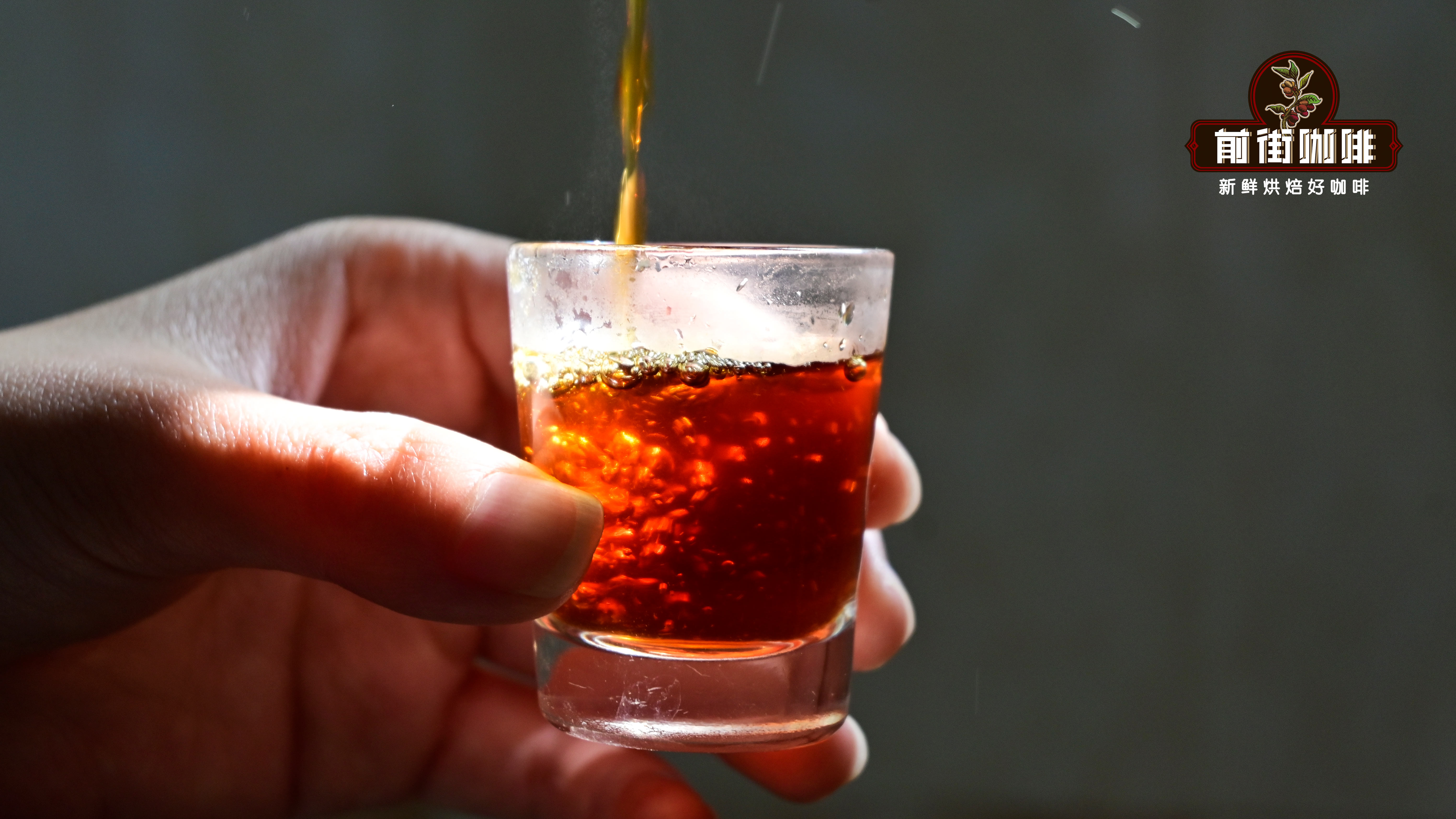
This batch was processed using the natural method. To ensure stable quality, farmers employed an African raised-bed drying system with vertical ventilation design to reduce the risk of mold during fruit drying. However, the challenge of natural processing lies in the frequency and precision of manual turning—before moisture content drops to 25%, the cherries need to be turned evenly every 30 to 60 minutes to prevent localized over-fermentation and off-flavors. Additionally, weather variability and the longer drying cycle mean that producing high-quality natural beans involves significantly higher costs, which is also one reason why natural lots in COE auctions are evaluated so rigorously.
Roasting Strategy & Cupping Validation
Based on regional characteristics and processing needs, the roaster designed three roast profiles and ultimately selected a medium-light roast. Using a Yangjia 800N semi-direct-fire roaster, with a charge of 480g, drum inlet temperature of 170°C, initial flame power of 130 and air vent at 3. At the turn-around point (1:32), the drum temperature reached 100.2°C; at 3 minutes, the air vent was adjusted to 4, and at 4 minutes, the flame power increased to 140. As the beans turned yellow and grassy notes dissipated (around 150.5°C), entering the dehydration phase, at 8:36, ugly wrinkles and black spots appeared along with transitions from toast aroma to coffee fragrance, signaling the prelude to first crack. First crack initiated at 9:10, continuing for 1 minute 30 seconds, and the beans were dropped at 192.5°C to ensure bright acidity and clarity of flavors.
Cupping was conducted within 8–24 hours post-roast, using 200ml ceramic cupping bowls, water at 94°C, grind size passing 70–75% through a standard #20 sieve (0.85mm), brew ratio of 1:18.18 (11g coffee + 200ml water), and a 4-minute immersion. Cupping results showed: dry aroma exhibited citrus tones, wet aroma combined citrus and floral notes, and the flavor profile included citrus, lychee, honey, cream, winey notes, mango, and strawberry. Strength consistently fell within the Golden Cup standard range of 1.15%–1.35%.
Systematic Control of Pour Over Variables
During actual brewing, the first step is to identify four key variables: grind size, water temperature, filter selection, and brew ratio. Based on the medium-light roast profile, it’s recommended to use a medium-fine grind size (approximately the texture of fine sugar) with 80% passing rate through a Chinese standard #20 sieve to complement the bean's vibrant acidity. The water temperature is set to90-91℃—too high can bring out woody off-notes, while too low may result in sharp but one-dimensional acidity.
For filter selection, the V60 is favored due to its 60-degree conical structure, clockwise spiral ribs, and single exit hole, which effectively balance extraction efficiency and flavor purity. The rib design creates space between the filter paper and filter cone, and the single-hole setup allows water to pass quickly through the coffee bed, prioritizing the extraction of bright, acidic compounds while avoiding over-extraction of bitter substances—ensuring a clean, refreshing cup.
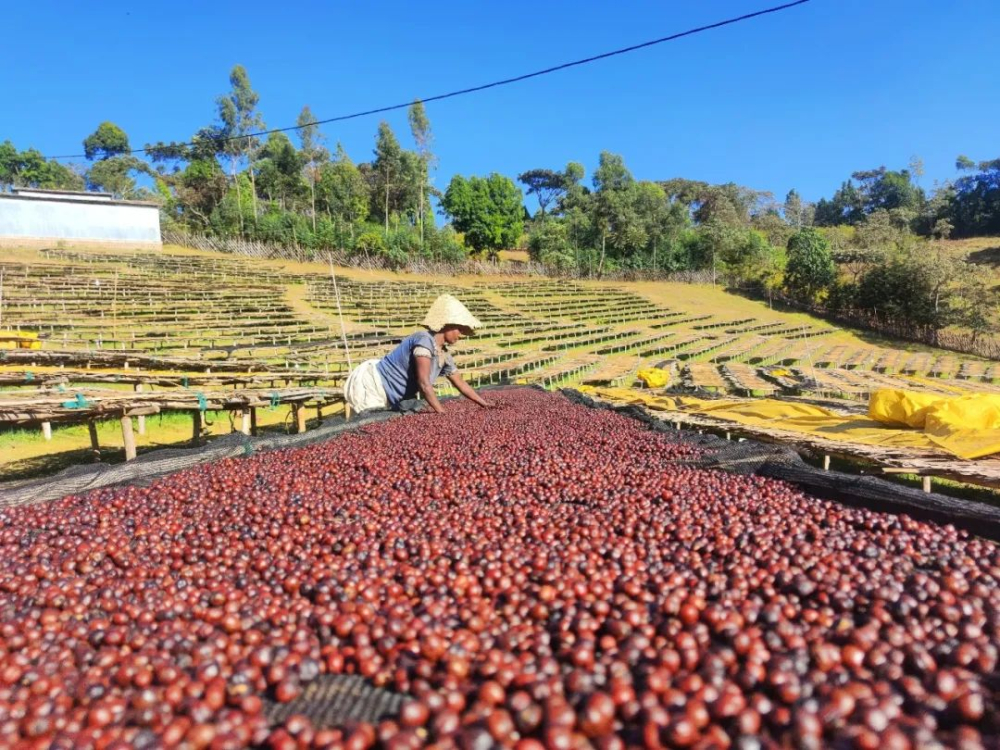
The recommended brew ratio is1:15(for example, 15g coffee to 225ml water), which aligns with the SCA Golden Cup reference range, delivering stable flavor concentration and balance. For pouring technique, it’s advised to usemedium-fine water flow(with a diameter of approximately 2–3mm). Too fine a stream may cause the coffee bed to become compacted and lead to bitterness; too coarse a stream can result in uncontrolled agitation, causing water to channel through gaps in the bed and resulting in flat, sour flavors.
The specific procedure follows a three-stage extraction process: the first stage involves pouring 30g of water fora 30-second bloom(to activate the coffee grounds), followed by pouring in a circular motion with medium-fine stream until reaching 125g for the first pour (around 1 minute mark); when the water level nearly exposes the coffee bed, continue pouring to 225g for the second pour (around 1:40 mark), and finally, remove the filter at 2:02 total brew time. This parameter set fully highlights the berry acidity and honey-creamy finish of the Arsi natural Typica, and as it cools, enhances the sweet, fermented aromas of strawberry and lychee.
With these theoretical foundations and practical details mastered, you too can replicate café-quality flavor profiles at home, turning each pour over session into a delightful journey of flavor exploration.
The above content is compiled by CoffeeHunters, a coffee news website.


