








Introduction:An in-depth exploration of the Sigri Estate Bird of Paradise coffee beans from Papua New Guinea. From regional background, Typica variety characteristics, washed processing methods, to roast curve settings and pour over parameters, this article fully dissects this specialty bean hailed as the “Little Blue Mountain.” It also includes actual flavor notes and brewing suggestions, making it ideal for coffee enthusiasts eager to explore island-style coffee flavors.
Papua New Guinea, often referred to as the “Little Blue Mountain” of the coffee world, is not nicknamed without reason. Its coffee cultivation history shares deep ties with Jamaica’s Blue Mountain, and similarities in climate, altitude, and growing environment contribute to its unique flavor profile. This time, we focus on the Bird of Paradise Typica beans from the Sigri Estate, guiding you step-by-step through the region’s geography, variety background, washed process, and roast and pour over parameters to understand this distinctive specialty coffee.
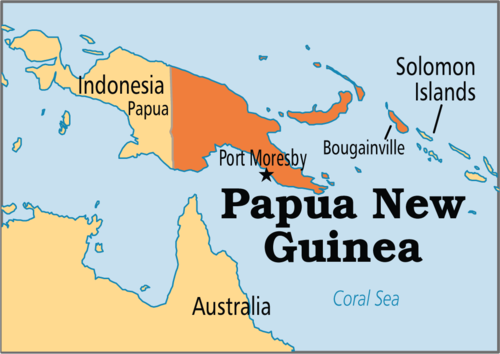
Papua New Guinea is located in the eastern part of New Guinea Island, which it shares with Indonesia. The country is mostly mountainous, with a cool climate and extensive high-altitude regions, making it highly suitable for coffee cultivation. Coffee farming in Papua New Guinea dates back to 1931, when Typica— the same variety as Blue Mountain coffee—was introduced from Jamaica. Due to similar geographic and microclimatic conditions, along with its island geography, Papua New Guinean coffee is often affectionately dubbed the “Little Blue Mountain” by enthusiasts. However, cupping tests reveal that Papua New Guinean coffee often exhibits more pronounced dark berry notes, slightly differing from the rich creaminess of Blue Mountain.
The Sigri Estate is a key pioneer in Papua New Guinea’s coffee industry, established in 1950 and located in the Wahgi Valley of the Western Highlands Province, which is also the main production area of Bird of Paradise coffee beans. The estate sits at an altitude of about 1,500 to 1,800 meters, featuring mineral-rich volcanic soil, along with a mild, cool climate and ample rainfall, providing ideal growing conditions for coffee. The coffee farms here have long adhered to pesticide-free practices, committed to ecological sustainability and bird conservation—also one of the inspirations behind the name “Bird of Paradise.”
This Bird of Paradise coffee uses the Typica variety, a classic but relatively delicate strain among traditional Arabica beans. Typica beans are slender in shape, with top leaves often displaying a bronze hue, hence also called “red-tipped coffee.” Its flavor profile is characterized by clarity, high cleanliness, bright yet gentle acidity. However, due to weaker disease resistance, it requires more meticulous cultivation management. The Sigri Estate, through strict harvesting and processing procedures, successfully highlights the elegant traits of Typica.
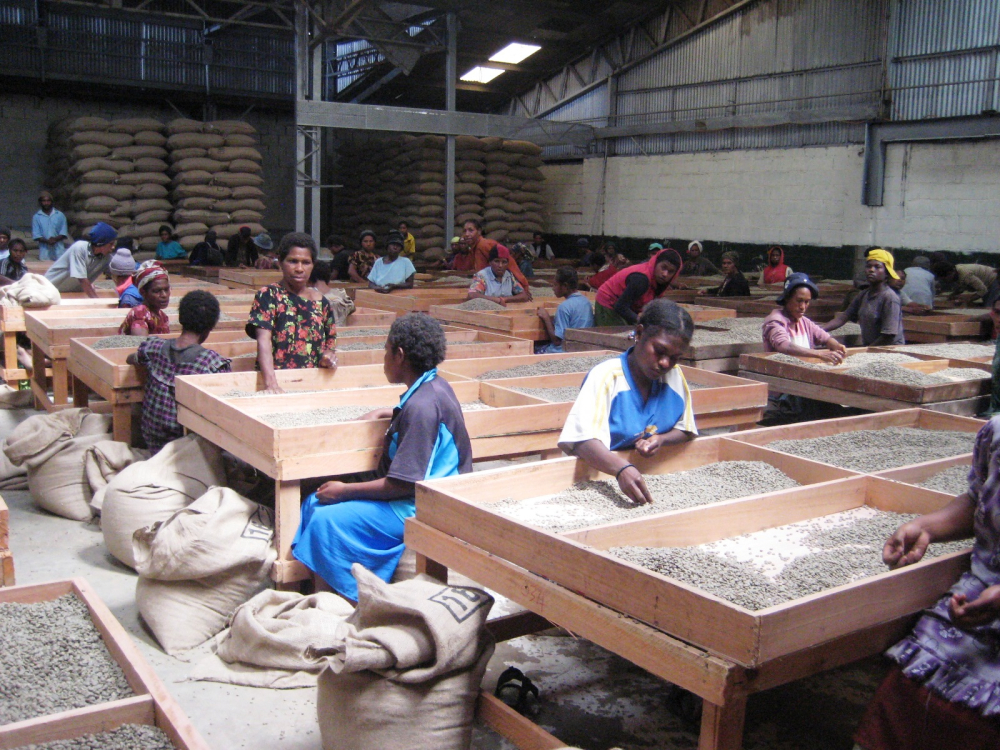
In processing, the Sigri Estate employs the traditional washed method with some unique local details. After harvesting only fully red ripe coffee cherries, the beans undergo three rounds of water fermentation, each lasting about 24 hours, with fresh water changed each time to effectively control fermentation flavors. This multi-stage washing approach helps enhance the clarity of fruit acids and the layered aromatics. Once fermentation is complete, the mucilage and outer skin are removed, followed by fine grading based on bean size and density, commonly including AA, AB, and peaberry (PB) grades. This process imparts the coffee with bright citrus acidity and delicate sweetness, while maintaining good cleanliness and aftertaste.
For roasting, we recommend a medium roast to preserve the refreshing acidity and fruity notes inherent to Typica beans. The charge temperature is set at 170°C, initial heat at 140, with the turning point around 1 minute and 36 seconds. When the temperature reaches 151°C and the beans turn yellow, the grassy notes have largely dissipated, allowing gradual adjustments to the air damper and heat. The key lies in the first crack stage, where stable temperature increase and moderate air damper adjustment are needed to ensure even development, with the roast finishing around 198.5°C to achieve optimal balance and aroma expression.
Cupping results show that this Bird of Paradise coffee has prominent caramel and citrus dry aromas, with spicy notes emerging in the wet aroma. On the palate, flavors of citrus, nuts, and cocoa emerge in layers, with soft and balanced acidity, notable sweetness, and an overall clean yet vibrant profile. Compared to Jamaica Blue Mountain, Bird of Paradise carries a hint more spice, with slightly less body but greater clarity in flavor.
For pour over brewing, we recommend using the Kono filter cone, whose low ridge design helps slow the water flow and extend contact time between water and coffee grounds, thereby enhancing extraction fullness and body. Suggested parameters are 15 grams of coffee, a 1:15 coffee-to-water ratio, water temperature around 89°C, and grind size roughly as coarse as sugar (approximately 75% passing through a #20 sieve). Begin with a 30-second bloom using 30 grams of water, then pour in small circles to reach 125 grams for the first pour, and continue pouring to 225 grams to finish. Total brew time is about 2 minutes. These parameters fully highlight the fruit acidity layers and sweet aftertaste of Bird of Paradise, making it ideal for coffee lovers who enjoy bright acidity and delicate lingering sweetness.
In summary, the Sigri Estate Bird of Paradise Typica coffee from Papua New Guinea, with its superior regional conditions, traditional washed processing, and refined production management, delivers a coffee flavor with distinct island characteristics. Whether as a daily drink or for single-origin tasting, this bean offers a unique flavor experience and deeper insight into the potential and charm of Papua New Guinean coffee.
The above content is compiled by CoffeeHunters, a coffee news website.


