







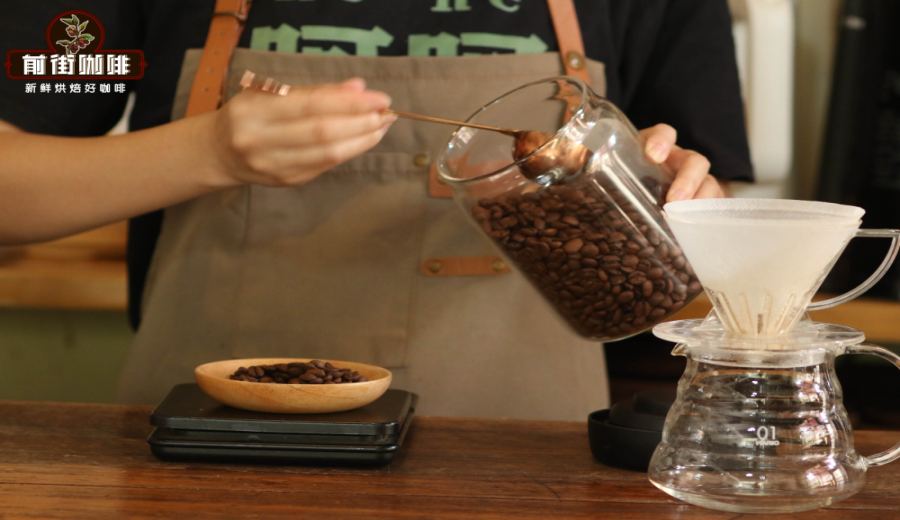
Introduction:Have you ever wondered why the same Arabica coffee can taste so different? The answer likely lies in its variety. This article delves into the origins, characteristics, and real-world performance of two classic Arabica coffee varieties—Typica and Bourbon—in renowned growing regions such as Jamaica Blue Mountain and Brazil Cerrado. Not only does it analyze their unique flavor profiles, but it also provides practical pour over brewing recommendations, making it an essential guide for beginners to understand variety differences and refine their brewing techniques.
When you walk into a café and order a pour over coffee, baristas often talk about the bean’s variety, origin, and flavor profile. But you may not have realized that coffee variety is one of the key factors influencing the taste of your cup. Among the many varieties, Typica and Bourbon, as the two oldest Arabica varieties, remain the foundation of many famous growing regions to this day. Understanding their characteristics not only helps you appreciate coffee more but also enables you to make more suitable choices when buying and brewing.
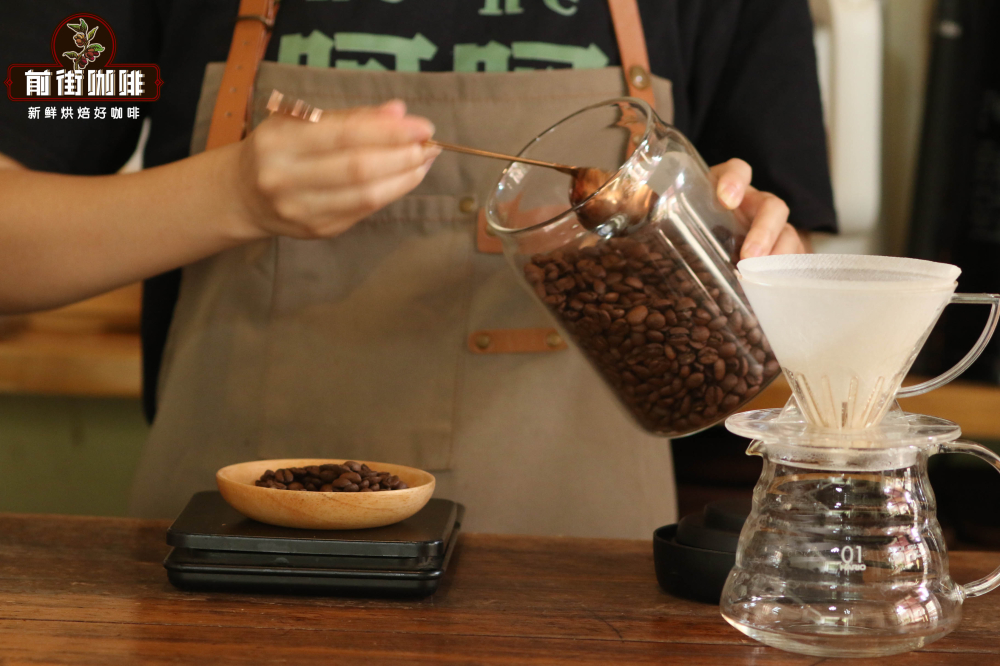 Currently, commercial coffee on the market can be mainly divided into three main species: small-beaned Arabica, medium-beaned Robusta (also known as Canephora), and large-beaned Liberica. Among them, Robusta is often used in instant coffee or commercial blends due to its strong disease resistance and high yield, but it usually has a pronounced woody and bitter taste. In contrast, Arabica is known for its delicate aroma and bright acidity, making it the mainstream of specialty coffee. Under Arabica, there are many subdivided varieties, among which the most historic and representative are Typica and Bourbon.
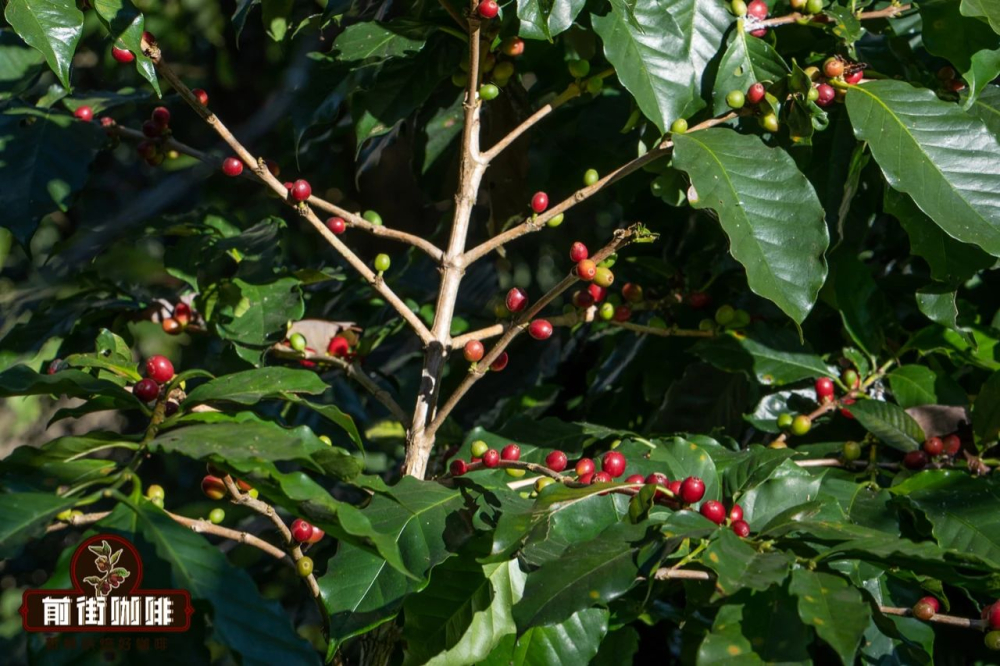
Typica is one of the most original Arabica varieties, believed to originate from the Ethiopian highlands, with almost all modern Arabica varieties tracing their lineage back to it. Its characteristics include a delicate and soft flavor, with bright acidity and floral notes, but it has the drawbacks of slow growth and poor disease resistance, especially low resistance to leaf rust, resulting in generally low yields. Additionally, the top leaves of Typica plants are usually bronze in color, hence it is also called "red-leaf coffee." Although it has an elegant flavor, its picky cultivation means it is now mainly found in specific high-altitude regions with favorable environmental conditions. Well-known coffees such as Mandheling, Blue Mountain, Hawaiian Kona, and Yunnan small-bean coffee are all descendants or variants of Typica.
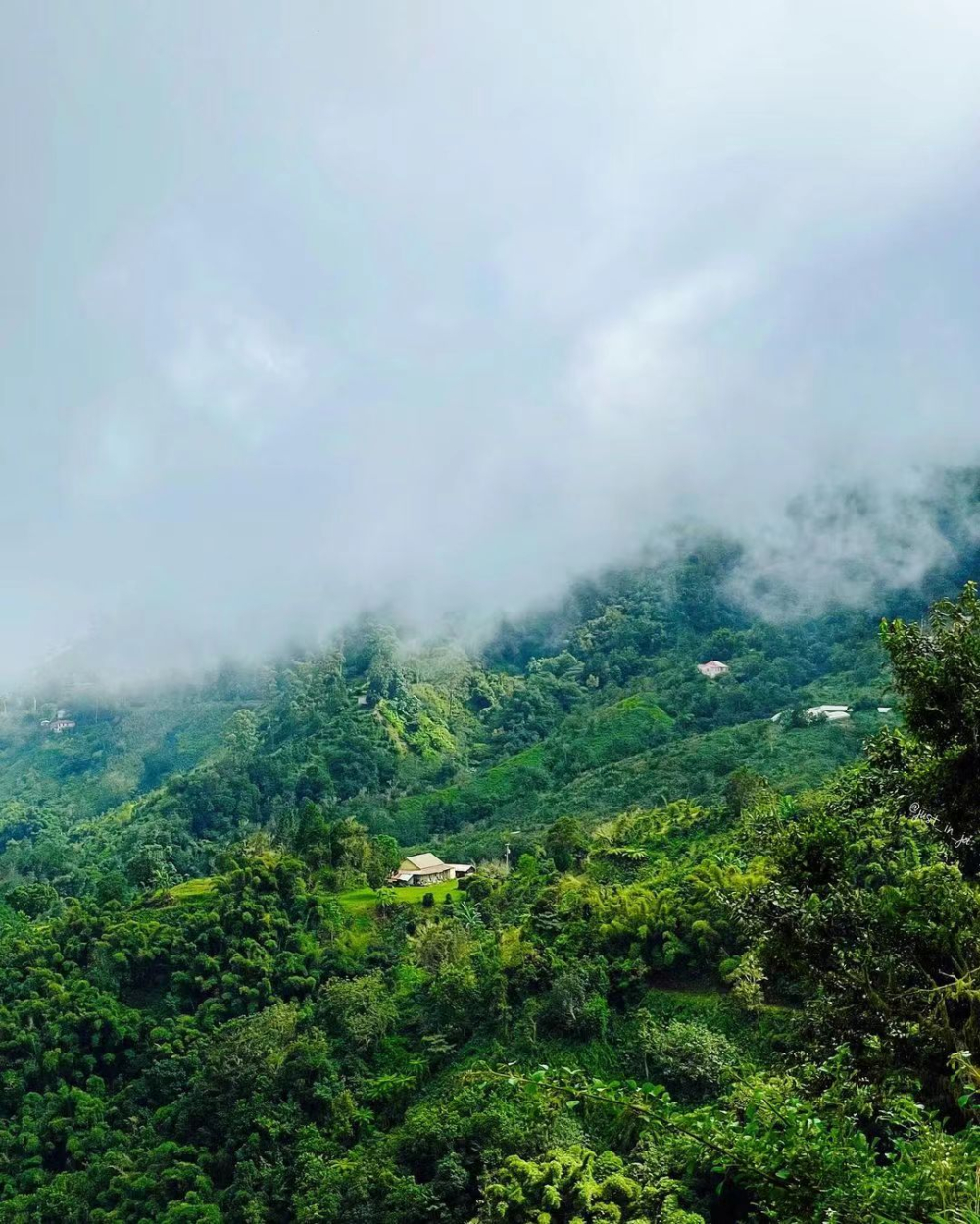
Jamaica Blue Mountain coffee is one of the most prestigious representatives of the Typica variety. The Blue Mountains are located in northeastern Jamaica, boasting fertile volcanic soil, moderate temperatures, stable rainfall, and significant diurnal temperature variations, creating an ideal coffee-growing environment. In the early 18th century, the British introduced Typica to the area, marking the beginning of Blue Mountain coffee history. Authentic Jamaica Blue Mountain is renowned for its balanced sweet, sour, and bitter notes, rich mouthfeel, and delicate aftertaste, and is globally recognized as one of the highest-quality coffees, consistently ranking at the top of market prices.
 Jamaica Blue Mountain No. 1 is typically grown at altitudes above 1,200 meters, primarily using the washed processing method, and holds Rainforest Alliance certification. Recommended brewing parameters are as follows: use a Kono filter, water temperature around 88°C, maintain a 1:15 coffee-to-water ratio, and grind size at 70–75% through a 20-mesh sieve (medium-fine). Since Blue Mountain coffee is often medium-dark roasted, to avoid over-extraction, it’s advised to use a lower water temperature and a slower-flowing filter, along with a three-pour method: the first pour adds 30 grams of water for a 30-second bloom, then circle-pour to 125 grams before stopping, wait for the water level to drop, then pour to 225 grams to complete extraction, with total time controlled around 2 minutes.
Compared to Typica, the Bourbon variety originated slightly later, believed to be a genetic mutation that occurred after Typica was introduced to Yemen, changing the bean shape from the original slender form to a rounder, plumper one. In 1715, the French brought these round beans from Yemen to the east coast of Africa, specifically to Bourbon Island (now Réunion Island), from which the variety gets its name. It later spread to Brazil and Central and South America in the early 18th century, gradually becoming a dominant variety in many important growing regions. The most notable characteristic of Bourbon is its brighter acidity, often accompanied by candy-like or wine-like aftertastes, and outstanding aroma performance, particularly when grown at high altitudes, where its fruity notes are even more pronounced.
Bourbon also has numerous natural variants, including Yellow Bourbon, Pink Bourbon, Caturra, and Villalobos, each with different flavor profiles and yield performances, but all inheriting the bright acidity and aromatic potential of the Bourbon system. For example, Red Bourbon grown in Brazil’s Cerrado Mineiro region is an important representative of the Bourbon family.
Brazil Cerrado Mineiro is a globally renowned Arabica coffee growing region, known for its stable quality and rich mouthfeel. The Red Bourbon coffee from this area is typically grown at around 1,100 meters altitude and processed using the honey method, with flavor profiles often featuring notes of nuts, cream, and dark chocolate, along with pronounced sweetness and smooth texture. These beans are highly suitable for coffee lovers who prefer medium-dark roast flavor profiles.
 For brewing Cerrado Red Bourbon, it is recommended to use a V60 filter, with water temperature controlled at 90°C, a 1:15 coffee-to-water ratio, and a grind size of 78% through a 20-mesh sieve (medium-fine to medium). The brewing method can involve a three-pour technique: first pour 30 grams of water for a 30-second bloom, then circle-pour approximately 95 grams of water to reach 125 grams total, wait for the water level to slightly drop, then pour about 100 grams more to reach 225 grams, with total extraction time around 1 minute and 47 seconds. This method balances extraction efficiency and flavor clarity, showcasing the richness and layered aromas unique to Red Bourbon.
In summary, Typica and Bourbon are not only the historical roots of coffee varieties but also directly influence the flavors and textures we enjoy in our coffee today. Whether you prefer the delicate and balanced taste of Blue Mountain or the rich, sweet profile of Cerrado Red Bourbon, understanding their backgrounds and characteristics will make you more adept at selecting coffee beans and adjusting your brewing methods. Start with the variety, and rediscover every cup of coffee.
The above content is compiled by CoffeeHunters, a coffee news website.


