







Introduction:Yunnan coffee is often misunderstood as having a simple bitter taste, but in reality, thanks to high altitudes and refined processing methods, it can exhibit rich fruity, wine-like, and honeyed sweetness. This article takes an in-depth look at the Catimor variety from Menglian County, which, through a winey natural sun-dried processing method, develops unique flavors reminiscent of red wine, longan, and cream — taking you from origin to cup to fully understand this specialty bean that’s perfect for pour over.
When it comes to Yunnan coffee, many people's first impression might be of an intense flavor with herbaceous notes, even fearing an overpowering bitterness. However, Yunnan-produced arabica beans, especially those grown at high altitudes, often carry natural notes of pine, herbs, and nuts, blended with the region’s distinctive brown sugar sweetness, plum acidity, and subtle tea-like undertones, making for surprisingly diverse flavor profiles.
Among these, Yunnan Menglian arabica beans processed using the winey natural sun-dried method have gradually gained recognition in both international and domestic specialty coffee circles in recent years. These beans, produced in Mangmao Village, Fuyan Township, Menglian County, achieve a rich, wine-like body, longan fruit dry sweetness, and distinct honey-like sweetness along with creamy smoothness through full-red cherry fermentation and special drying techniques — making them an unmissable choice for pour over or French press enthusiasts.
Although Yunnan coffee is generally perceived to lean towards traditional Asian bean characteristics — such as pine, nuts, and some herbal notes — the Menglian region, with its altitude ranging between1450 to 1750 meters, coupled with large diurnal temperature variations and frequent mountain fog, provides an exceptionally suitable microclimate for coffee cultivation. The coffee here not only maintains the stable foundational flavors typical of Asian beans but has also, through years of experimentation by local farmers and cooperatives, gradually developed specialty-grade beans with bright fruit acidity and fermentation aromas.
The Yunnan Menglian coffee introduced here is of theCatimorvariety, widely planted in Yunnan, and produced by the local Tianyu Farmers' Professional Cooperative. Since its establishment in 2011, the cooperative has been committed to improving the quality of local coffee. It not only provides technical support to surrounding coffee farmers but has also gradually introduced specialty coffee processing techniques, shifting from selling commercial-grade beans to focusing on specialty ones — particularly after 2014 when it began concentrating on full-red cherry refined processing, laying the foundation for subsequent innovations such as winey and honey-processed methods.
Menglian County is located in Pu'er City, Yunnan Province, bordering Myanmar, featuring mountainous terrain, cool and humid climate, and conditions particularly conducive to coffee tree growth. The region has not only been a frequent winner in recent Yunnan arabica green bean competitions but has also seen stable improvements in coffee quality due to the successful operation of the farmer cooperative model. Initially, the cooperative mainly supplied beans to international brands such as Nestlé and Starbucks, but with the rise of the specialty coffee trend, they began exploring their own specialty processing path and successfully developed innovative methods like winey natural sun-dried and honey processing in 2017.
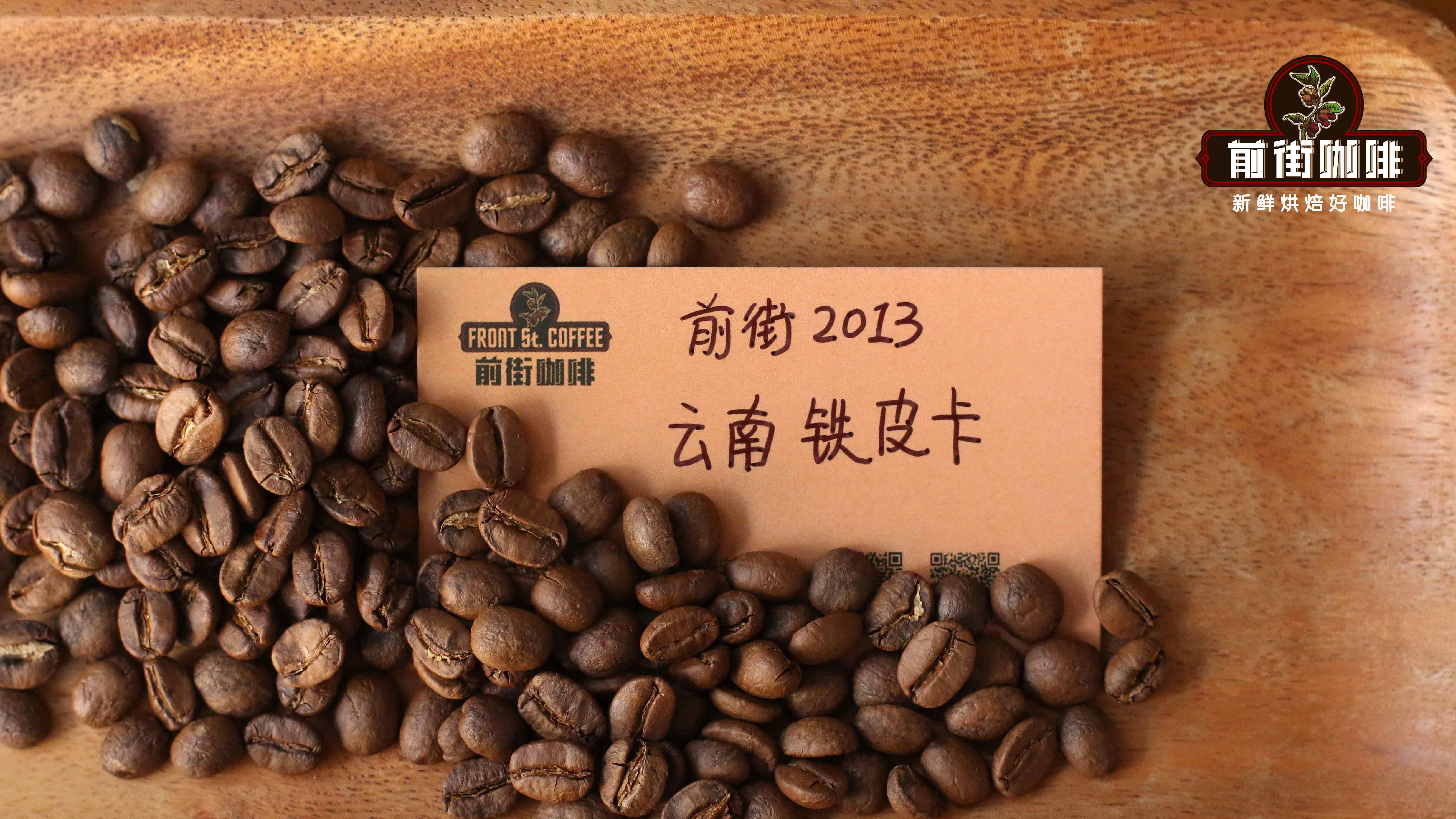
Speaking of the winey natural sun-dried process, the key lies in how fermentation environment and timing are controlled to extract natural sugars and fruity compounds from the coffee pulp. This Menglian coffee uses full-red cherries (i.e., fully ripe coffee fruits) for processing. After initially removing the outer skin and pulp, the mucilage-covered seeds are placed on drying beds and dried to a semi-dry state before being wrapped for a second fermentation, further deepening the flavor profile. This technique allows the coffee to continue fermenting during the drying process, thereby producing wine-like richness and dried fruit sweetness.
At the same time, the cooperative also experimented with honey processing, fermenting the depulped coffee seeds in inner bags for about seven days before spreading them on drying beds to slowly dry. Both processing methods emphasize precise control of the fermentation process to avoid off-flavors from over-fermentation or mold and phenolic contamination caused by uneven drying. It is understood that in 2017, the cooperative rebuilt its processing station, upgrading fermentation tanks, washing systems, and wastewater treatment facilities, and customizing drying beds to control temperature and humidity — all of which enabled the stable production of these specialty beans with clean flavors, prominent sweetness, and smooth mouthfeel.
For coffee enthusiasts, this Yunnan Menglian Catimor coffee not only showcases the stable foundation typical of Asian beans but also, through innovative processing, offers unique fruity and sweet notes, making it an excellent choice for trying out pour over. A medium-light roast level is recommended, brewed with90–93°C water temperatureand a medium-coarse grind to fully highlight its delicate layers of red wine, honey, and creaminess.
In summary, this winey natural sun-dried coffee bean from Menglian, Yunnan, is not just a combination of geography and variety, but also the result of years of experimentation and technical accumulation by farmers. If you’re looking to explore the potential of China’s specialty coffee or seeking a daily pour over bean with a balanced fruity and sweet profile, this high-altitude-grown Catimor coffee is definitely worth a try.
The above content is compiled by CoffeeHunters, a coffee news website.


