







Introduction:Want to explore the charm of Yunnan Pu’er small-bean coffee? This article delves into the geographical advantages that make Yunnan China’s core coffee-producing region, introduces the locally dominant Catimor variety, and explains the differences between natural and washed processing methods. It also provides a detailed breakdown of the unique flavor profile of Pu’er AA natural beans. From altitude and climate to processing techniques, we’ll unravel how this golden belt gives rise to coffee balancing fruity aromas with rich body — along with practical drinking and buying tips.
Among China’s many coffee-growing regions, Yunnan has gradually become the country’s largest coffee production base thanks to its exceptional geographical conditions. In particular, the small-bean coffee produced in the Pu’er region has garnered increasing international attention in recent years. What kind of natural conditions make this area an ideal habitat for coffee trees? From climate and variety to processing technology, this piece will comprehensively analyze the key elements of Yunnan coffee, with a focus on the actual performance of Pu’er AA natural beans.
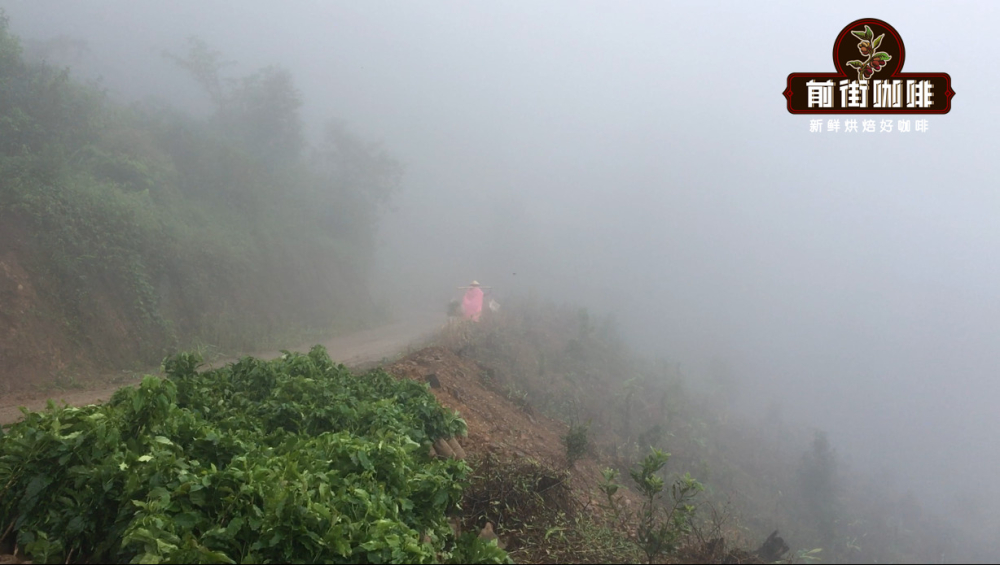
Yunnan Province currently has approximately 1.8 million mu (about 120,000 hectares) of coffee cultivation area, accounting for over 90% of the national total, with an annual output of about 139,000 tons. The coffee is grown across nine prefecture-level cities and districts including Pu’er, Baoshan, Dehong, and Lincang. These areas are mostly impoverished mountainous regions, yet they unexpectedly possess ideal conditions for coffee cultivation — low latitude, high altitude, and significant diurnal temperature variation, all of which contribute to a cup profile that is rich, full-bodied, and not overly acidic or astringent. In particular, the mountainous regions around Pu’er and Baoshan, at altitudes of about 800 to 1200 meters, form the golden belt most suitable for growing small-bean coffee varieties.
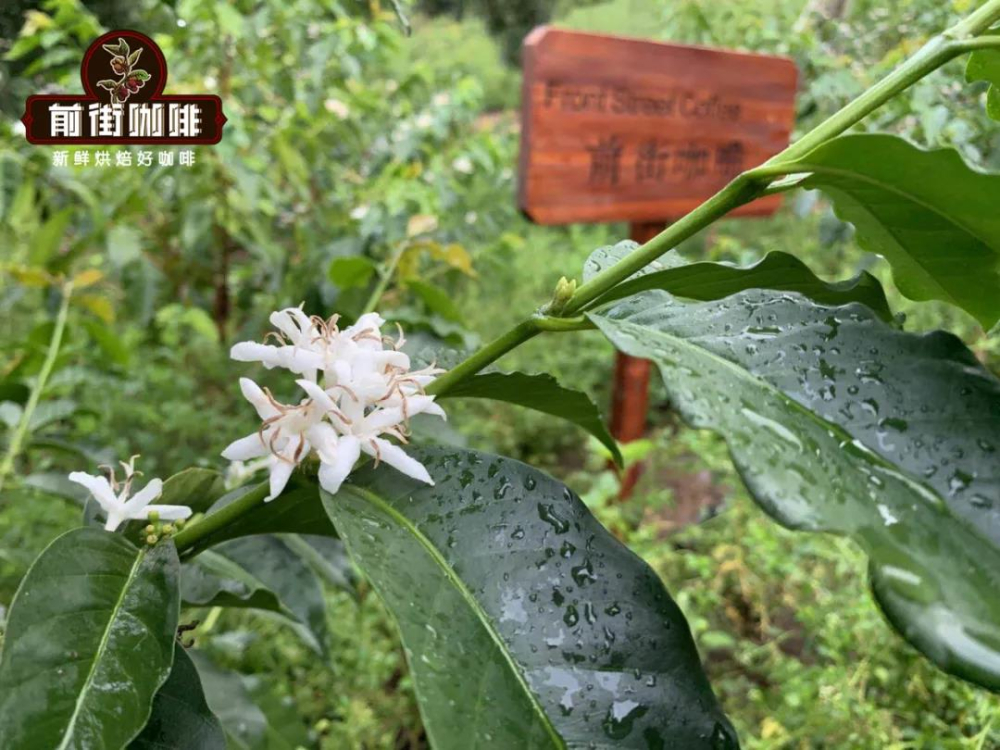
In terms of variety, early-stage Yunnan plantings mainly featured the classic Typica and Bourbon, both premium Arabica variants known for their delicate aroma and good balance of acidity and sweetness. However, since 1991, the Catimor variety — a hybrid of Timor (a Typica descendant with 25% Robusta heritage) and Caturra (a Bourbon variant) — has gradually become the mainstream. Not only is it highly resistant to disease, but it also offers significantly higher yields. Today, over 90% of coffee grown in Yunnan belongs to this variety, making it the dominant type behind the commonly seen “Yunnan small-bean coffee” on the market.
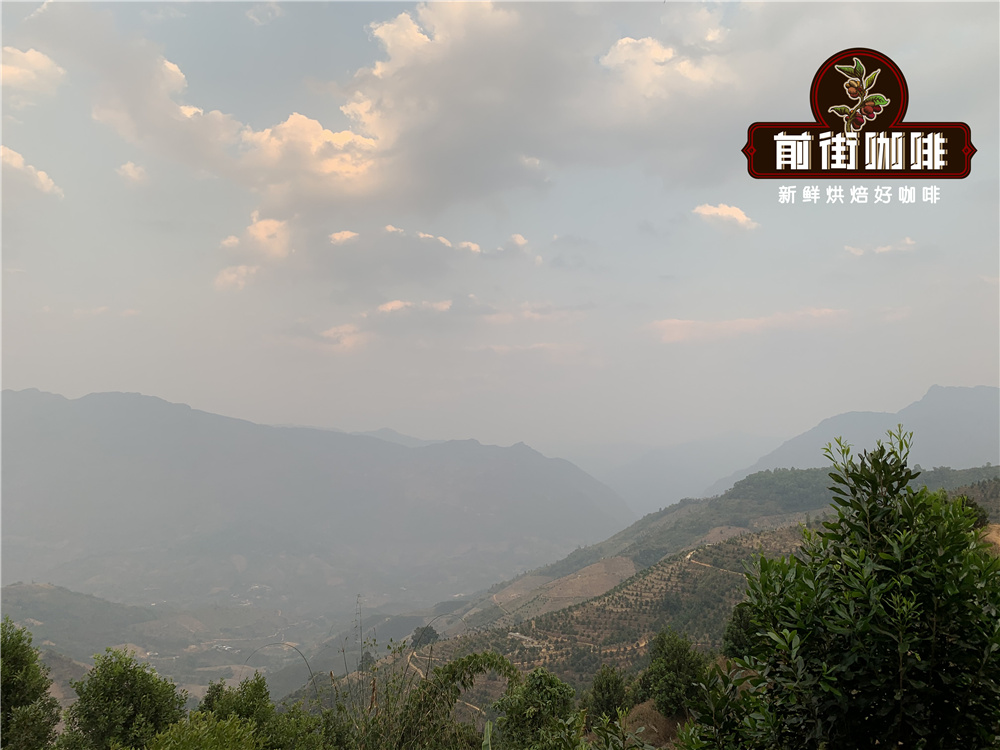
Pu’er is not only famous for Pu’er tea; in fact, its coffee cultivation history dates back over a century, with large-scale planting beginning in 1988 when Nestlé’s arrival drove industrialized development. Nowadays, Pu’er City boasts a coffee cultivation area of 770,000 mu, with an annual output of about 54,000 tons — not only the highest in Yunnan but also one of the regions most frequently visited by international coffee study groups. The area’s climate is distinct, characterized by a subtropical mountainous humid monsoon climate, with an average annual temperature of 15.3–20.2°C, annual rainfall of 1000–2780 mm, and abundant sunshine (approximately 1873.9–2206.3 hours of sunlight per year). This creates a three-dimensional climate zone suitable for coffee growth, particularly the 800–1200 meter altitude range, which holds great potential as a premium coffee producing area.
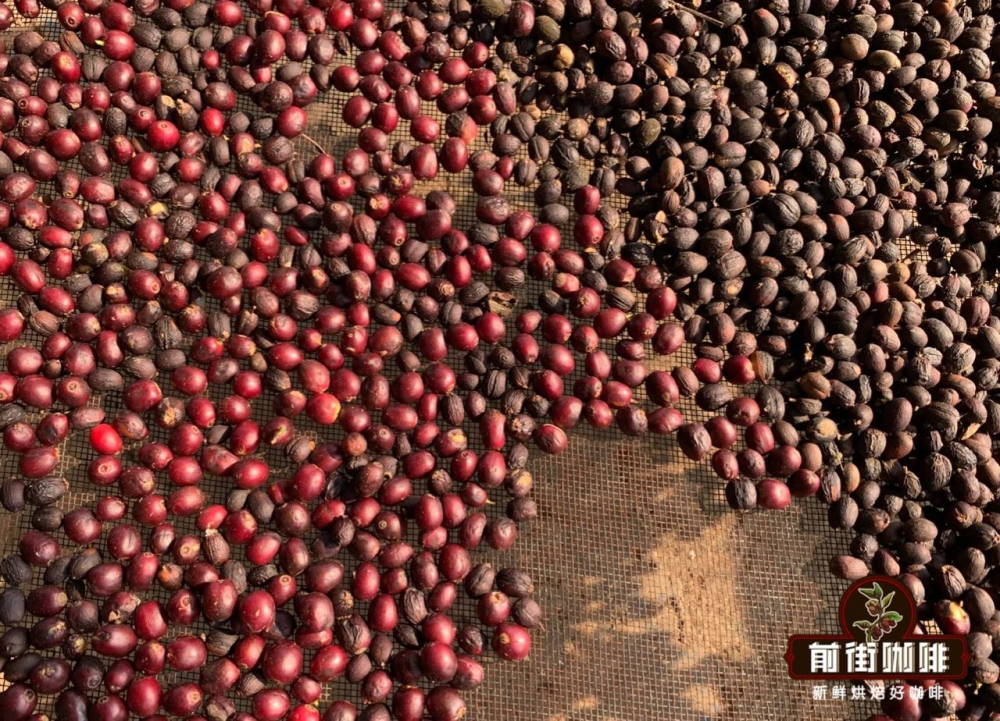
When it comes to coffee processing methods, washed processing is common in Yunnan, but natural (sun-dried) processing has been gaining increasing attention in recent years. The flavor differences between the two methods are significant: washed beans are typically bluish-green in color with bright, acidic aromatic profiles; whereas naturally processed beans, due to sun exposure, tend to be more yellowish in color and emit distinct fermented aromas. For drinkers who appreciate a combination of fruity notes and rich layered complexity, naturally processed Pu’er small-bean coffee can often be a delightful surprise.
Taking sun-dried Catimor as an example, it often presents a bright, juicy sensation reminiscent of red berries upon entry, accompanied by complex aromas of nuts, cocoa, and licorice, with a caramel-like sweetness in the aftertaste. The overall mouthfeel is full-bodied and smooth. In contrast, washed Catimor highlights a nutty main note, with herbal and chocolatey foundations underscored by caramel aromas, and a gentle fruity acidity lingering in the finish — offering a cleaner, crisper profile overall. Both processing methods have their own merits, suiting different consumer preferences.
For brewing, it is recommended to use a Hario V60 filter cone, with water temperature controlled at 90°C, a coffee-to-water ratio of 1:15, and a grind size of about 80% through a Chinese standard No. 20 sieve (medium-fine grind). Taking sun-dried Catimor as an example, a step extraction method is recommended: start with a 30-second bloom using twice the amount of coffee grounds in water (about 30 grams), then pour in a slow circular motion until reaching 125 grams for the first pour. Continue pouring up to 225 grams before stopping, with a total extraction time of about 2 minutes. This method fully highlights the fruity aroma and sweet layered profile of sun-dried beans.
If you choose washed Catimor, the same conditions will instead emphasize a nutty and dark chocolate foundation, with clear herbal aromas — suitable for those who prefer a cleaner taste. It’s worth noting that regardless of the processing method, it’s advisable to select freshly roasted beans within five days of roasting, and allow the beans to degas for 4 to 7 days upon arrival to reach peak flavor. Additionally, if purchasing pre-ground coffee, while convenient, be aware that its flavor deteriorates more quickly; for the fullest experience of the coffee’s subtle nuances, it’s best to grind fresh and brew immediately.
Moreover, the Yunnan producing region also promotes various high-yield and disease-resistant coffee varieties. Among them, the CIFC7963 (F6) Catimor lineage has been widely cultivated in areas such as Dehong, Baoshan, Pu’er, and Lincang, covering a total area of over 200,000 mu, even extending into Panzhihua in Sichuan and parts of Myanmar. These varieties are not only stable and high-yielding, but are also gradually enhancing their competitiveness in the specialty coffee market through refined processing and bean selection.
In summary, Yunnan small-bean coffee, especially the naturally processed beans from the Pu’er region, has gradually carved out its own place on the global coffee map. From geographical climate and varietal evolution to diverse developments in processing techniques, this land not only produces coffee with distinctive regional characteristics, but also offers coffee enthusiasts an emerging specialty coffee producing region well worth exploring in depth.
The above content is compiled by CoffeeHunters, a coffee news website.


