







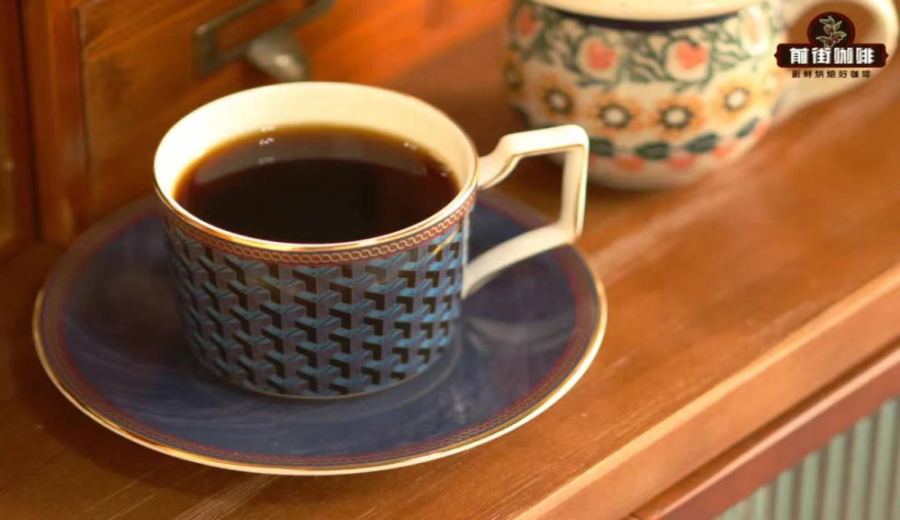
Introduction:Want to understand the unique charm of Sumatra Lintong Mandheling G1 coffee beans? This article delves into the rigorous selection process of Indonesia’s PWN Golden Mandheling, the herbal and dark chocolate flavors brought by the wet-hulled processing method, and explores why medium-dark roasting perfectly highlights its characteristics. It also provides professional pour over parameters and steps to help you brew a rich, clean, and sweet-aftertaste classic Mandheling at home.
Mandheling coffee is often considered the top choice for dark roast enthusiasts, but its appeal goes far beyond intense bitterness. Starting from Indonesia’s Sumatra Lintong growing region, this article takes you deep into the grading standards of Mandheling G1, the strict selection process of PWN Golden Mandheling, and how the wet-hulled processing method shapes its distinctive herbal and dark chocolate notes. It also analyzes why classic Mandheling often uses medium-dark roasting and shares practical pour over tips to easily recreate that rich, long-lasting classic Sumatran flavor.
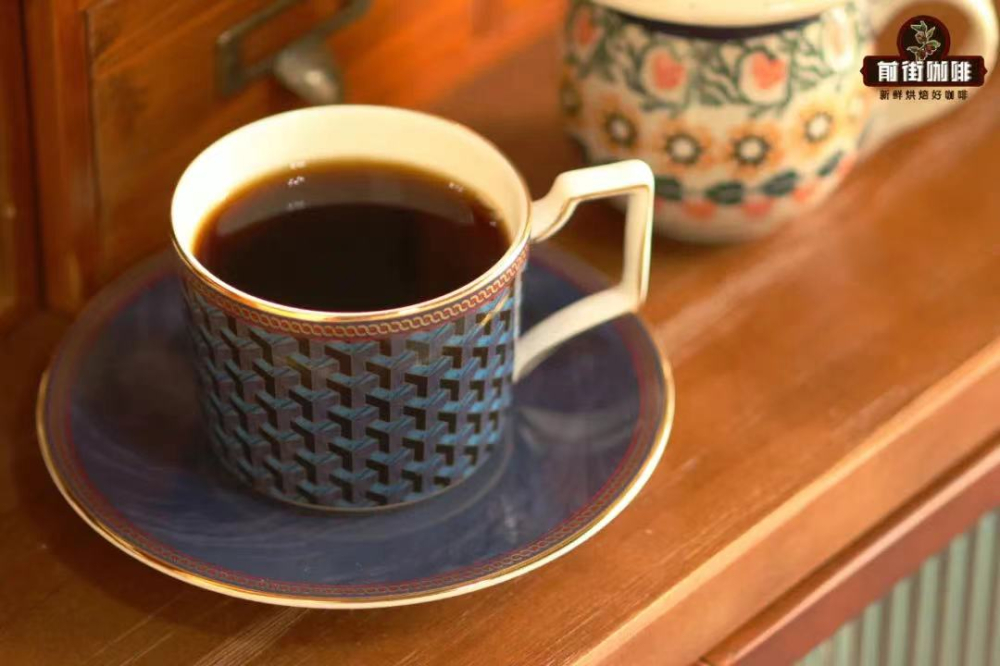
Mandheling coffee has always been one of the representatives of dark roasting. Some love its bold and full-bodied taste, while others may shy away due to its bitterness. Brewing a good cup of Mandheling hinges on using high-quality coffee beans, the roaster’s meticulous processing, and the right extraction method. With the rise of specialty coffee trends, the Golden Mandheling coffee beans from Indonesia’s PWN (Pwani) company are regarded as the highest-grade Mandheling in all of Indonesia and a flagship example of specialty Mandheling.
The reason Golden Mandheling is so renowned lies in PWN’s stringent bean selection. Coffee beans from the Gayo highlands of Aceh in Sumatra undergo one mechanical screening and three rounds of manual handpicking to ensure each batch meets Indonesia’s highest Grade G1 standard. The machine sorting mainly filters out beans smaller than 18 mesh, while the subsequent three manual screenings focus on removing irregularly shaped or defective beans, significantly reducing defect rates and further enhancing overall quality.
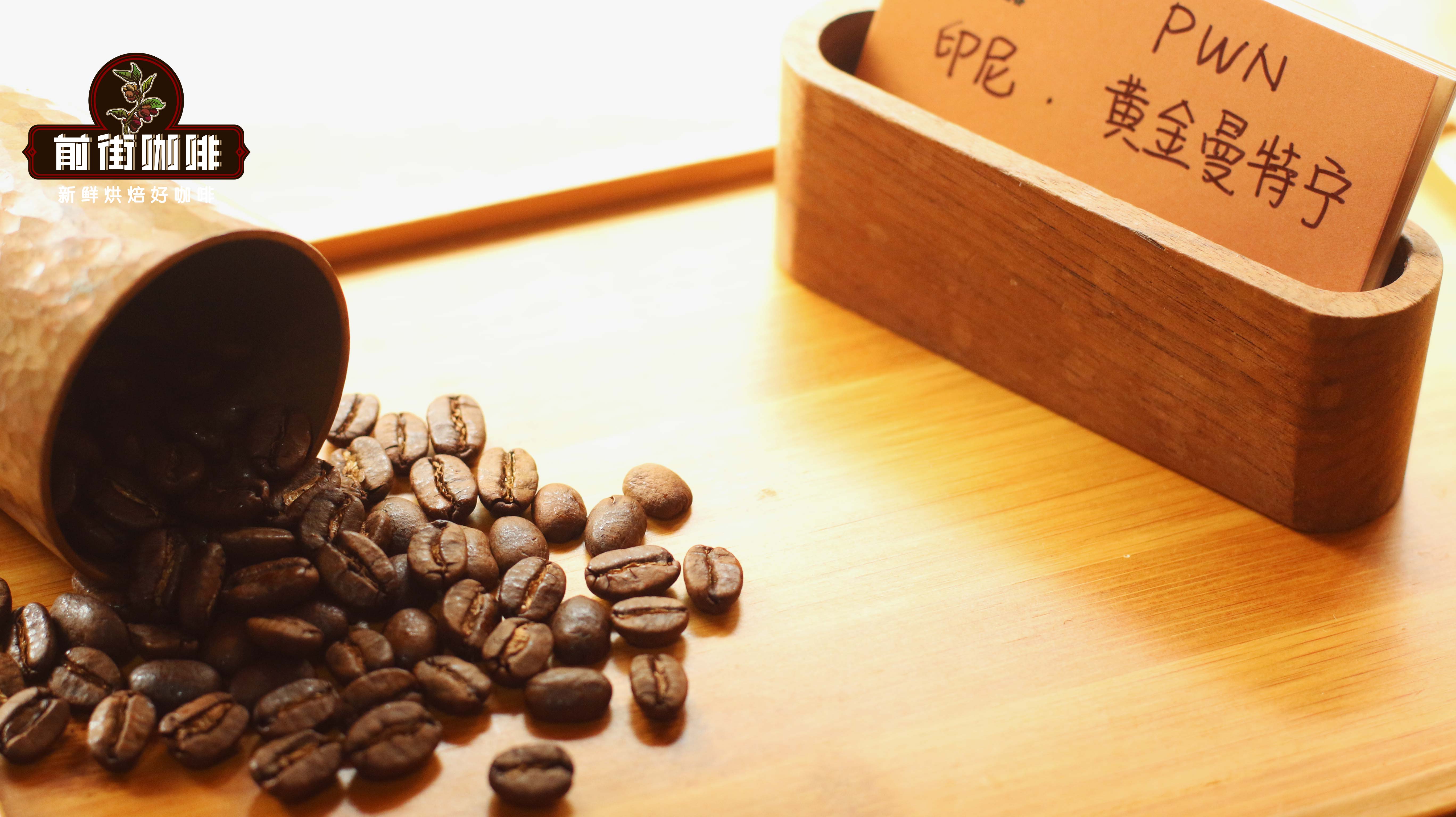
The multi-layered screened Golden Mandheling not only has more uniform bean size, which aids in even heat distribution during roasting, resulting in a purer and more consistent flavor profile. Cupping comparisons show that compared to regular Mandheling, Golden Mandheling better showcases the herbal, spicy, and dark chocolate notes unique to the Sumatra region, along with improved cleanliness, sweetness, and aftertaste, delivering an overall superior performance.
These Golden Mandheling coffee beans are grown near Lake Tawar in Aceh, Sumatra, Indonesia, in the vicinity of the Gayo Mountains. The region’s cultivation altitude ranges between 1,110 to 1,600 meters, with most beans planted under shade by smallholder farmers. Using the wet-hulled processing method gives the coffee a deep yet vibrant, full-bodied taste, with a unique and layered flavor profile.
As for roast level, in the past, Mandheling on the market was predominantly medium-dark roasted, presenting a strong black coffee flavor. However, with the development of specialty coffee culture, some producers now offer medium or even medium-light roasts to preserve more acidity and fruity or floral notes. But why do most Mandhelings still stick with dark roasting? One reason lies in Sumatra’s unique wet-hulled processing—before drying, mechanically removing the semi-dry parchment layer can easily cause bean damage or compression, increasing defect rates, and dark roasting can effectively mask these flaws. Additionally, the popularity of Mandheling flavors is closely tied to the preferences of the Japanese market in earlier years, where Japanese-style dark roasting became the symbol of classic flavor, so both Lintong region commercial beans and PWN Golden Mandheling mostly maintain medium-dark roasting to present the most authentic Sumatran characteristics.
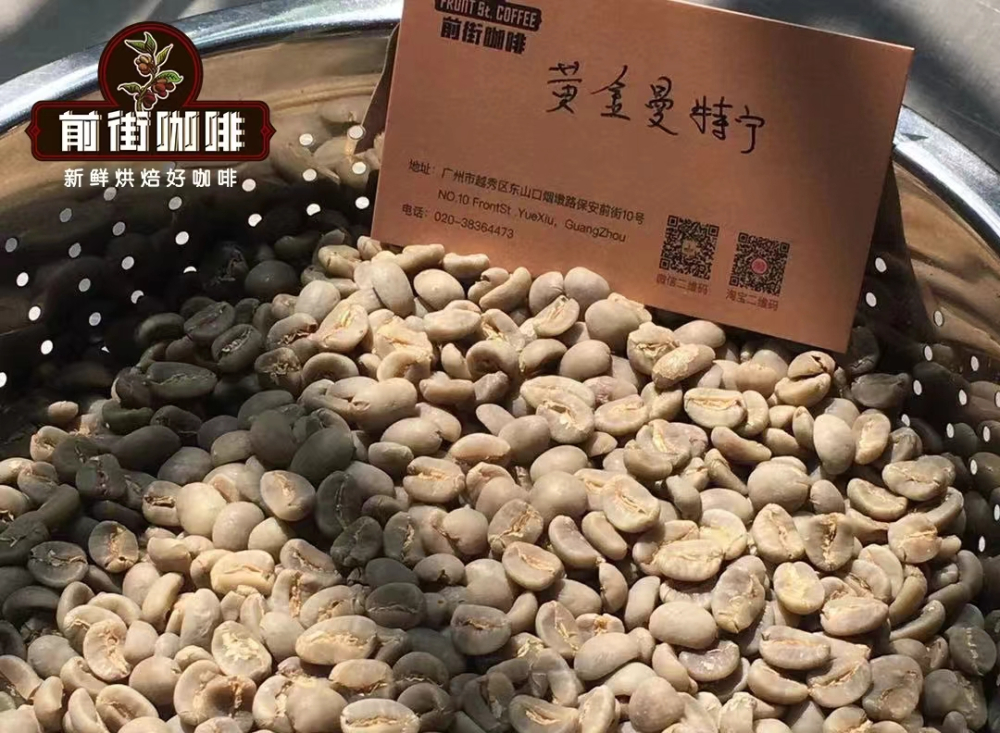
If you want to brew a PWN Golden Mandheling at home with distinct flavor layers, a rich body, and prominent herbal aroma, it is recommended to use medium-dark roasted beans and ensure they are freshly roasted (ideally used within 5 days of roasting). For pour over, use a medium-coarse grind (about the size of coarse sugar, with a 70% passing rate through a Chinese 20-mesh standard sieve), paired with 88°C water and a 1:15 coffee-to-water ratio, and the KONO filter is recommended.
The KONO filter, with its short rib design, slows down the water flow, resulting in a fuller-bodied coffee taste. The medium-coarse grind combined with a slightly lower water temperature helps avoid over-extraction while fully bringing out the richness and unique spice notes of dark roasted beans. The specific pour over steps are as follows: first pour 30 grams of water for a 30-second bloom; then slowly pour in a small amount of water in circles up to 125 grams, wait until the bed’s water level drops by half, then continue pouring in circles up to 225 grams, with total extraction time controlled around 2 minutes and 10 seconds.
The resulting PWN Golden Mandheling brewed this way offers a multi-faceted flavor profile, with a rich yet clean body, exuding intense nutty and caramel aromas, along with a noticeable chocolatey aftertaste. It has excellent overall balance, a long-lasting finish, and is a fantastic choice for experiencing the classic Mandheling flavors of Sumatra.
The above content is compiled by CoffeeHunters, a coffee news website.


