







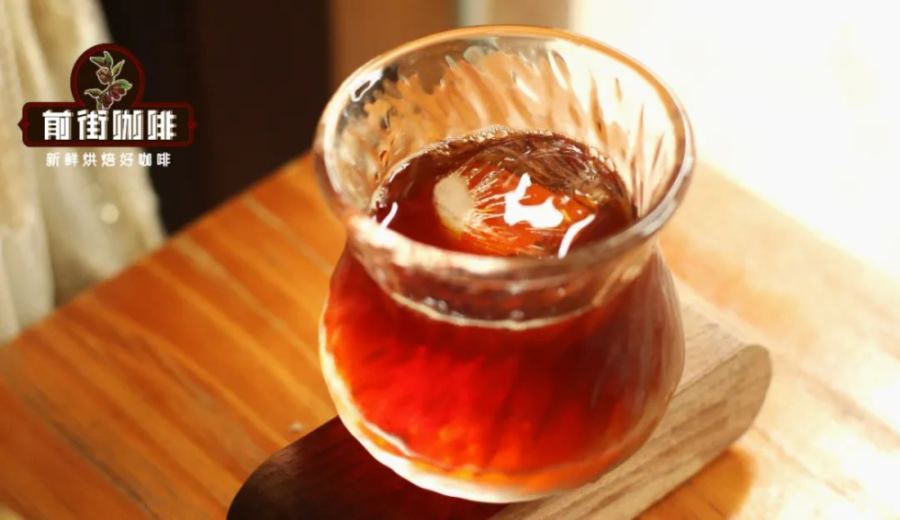
Introduction:Infusing fruits into the cold brew steeping process not only adds new dimensions to the drink but also allows for flexible flavor adjustments based on the season. This article presents four practical tests—combining blueberries, grapes, lemons, and peaches with coffee beans from different regions—to analyze aroma transformation, sweetness-acidity balance, and ideal drinking scenarios. It also explores applications such as cold brew lattes and sparkling variations, providing at-home replicable parameter suggestions and fruit selection guidelines.
The flexibility in making cold brew has always been limited by the characteristics of low-temperature, long-duration steeping, with adjustable variables being mainly water temperature, grind size, coffee-to-water ratio, and steeping time. But what unexpected flavor combinations might emerge when fruit becomes a new player in the steeping process? To explore this possibility, we systematically paired blueberries, grapes, lemons, and peaches with four distinctly profiled coffee beans, meticulously recording each set’s olfactory features, taste evolution, and overall performance. We also expanded the creative possibilities with cold brew lattes, carbonated versions, and coconut water blends, summarizing suitable fruit types and roast level directions.
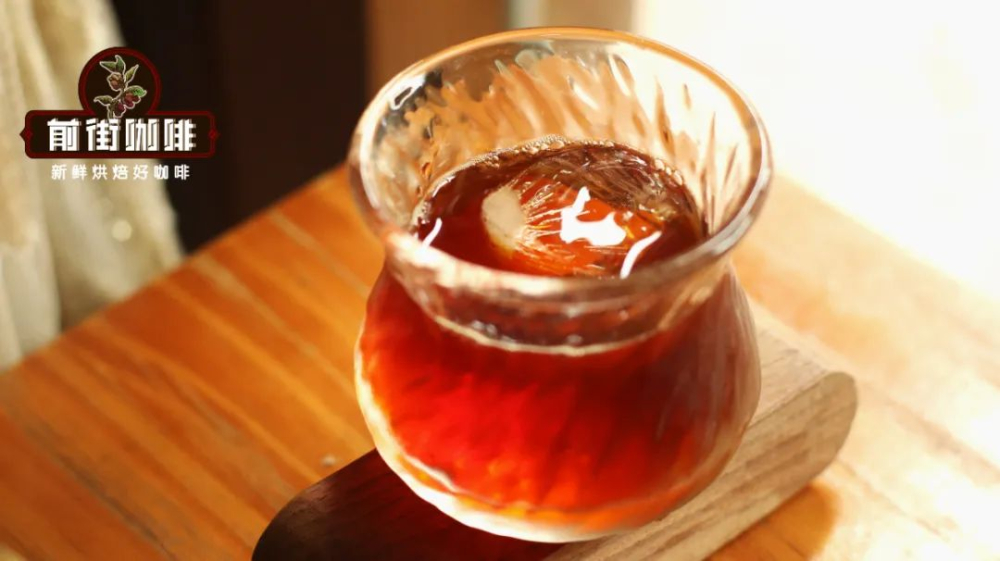
Traditional cold brew indeed has limited room for adjustment—the constant temperature steeping means variables are mainly focused on the coffee bean type, water volume, grind coarseness, and water quality. If you want to break the monotony, why not try incorporating fruit into the steeping system? One afternoon, inspired by the leftover fruits on the table, a light bulb went off: since fruit can be used to scent tea, perhaps combining it with cold brew coffee—which also relies on immersion extraction—could spark novel flavors.
To avoid either the coffee’s inherent flavor overwhelming the fruit characteristics or the fruit’s aroma suppressing the coffee layers, this experiment adopted a “single fruit matched with a dedicated coffee bean” strategy. The actual materials used included: blueberries, grapes, lemon slices, and peach chunks, each steeped with the following coffees: the first group used Kenyan beans with dominant notes of cherry tomato, black plum, and berries (20g coffee + 10g blueberries); the second group used Ethiopian natural Geisha (highlighting pink floral and berry sweetness, paired with 20g grapes); the third group selected Colombian Sidamo (with orange juice, passion fruit, and grape flavor profiles, plus 2 lemon slices); the last group featured Costa Rican Strawberry Sweet (rich in strawberry jam, raisin, and rose notes, paired with 20g peaches).
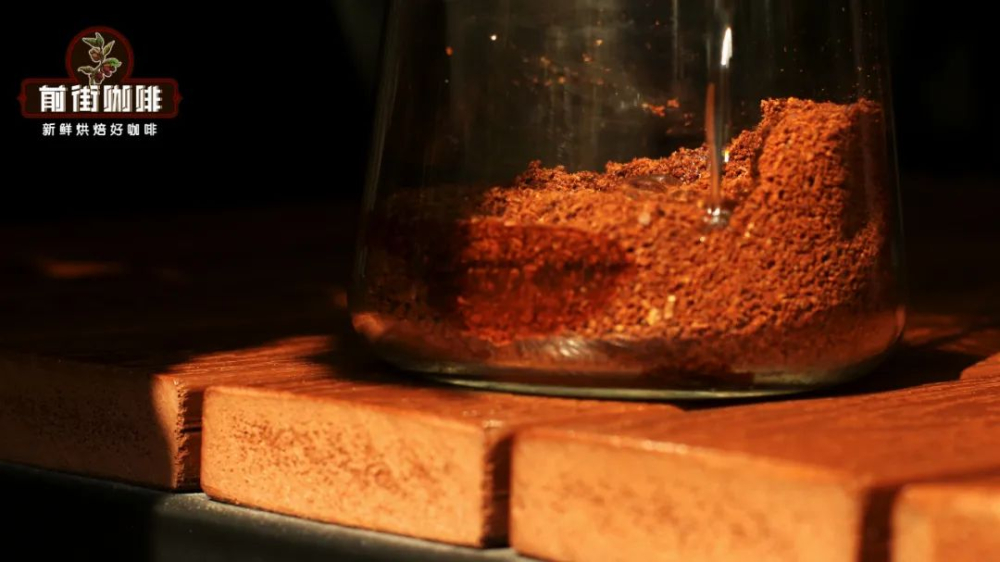
All cold brew recipes uniformly used 20g of coffee beans, a 1:10 coffee-to-water ratio (total 200ml water), room-temperature water, and an EK43s grinder setting of 9.5 (equivalent to the fineness of fine sugar), steeped for 12 hours before filtering through a sieve, then allowed to rest in the refrigerator for another 2 hours. Fruit preparation varied according to characteristics—blueberries and grapes were crushed directly, lemons were sliced thinly, and peaches were cut into evenly thick slices, ensuring full contact with the coffee grounds while maintaining even steeping.
Tasting evaluations showed: the Kenyan and blueberry combination captured subtle blueberry aromas up close, with initial flavors dominated by the region’s typical black plum and dark berry acidity, followed by the natural sweetness of blueberries gradually emerging, and a faint caramel aftertaste. The originally strong tomato notes were buffered, resulting in a brew that balanced a rich body with a refreshing taste—very suitable for summer drinking.A coffee-to-water ratio of 1:10 and a 12-hour steeping time are key parameters.
The Ethiopian natural Geisha and grape pairing presented soft berry aromas, immediately releasing flavors akin to freshly squeezed grape juice, combined with the fermentation notes unique to natural processing. The body was clean with balanced sweetness and acidity, and the aftertaste subtly hinted at hawthorn and black tea layers—it was the most impressive of the four combinations.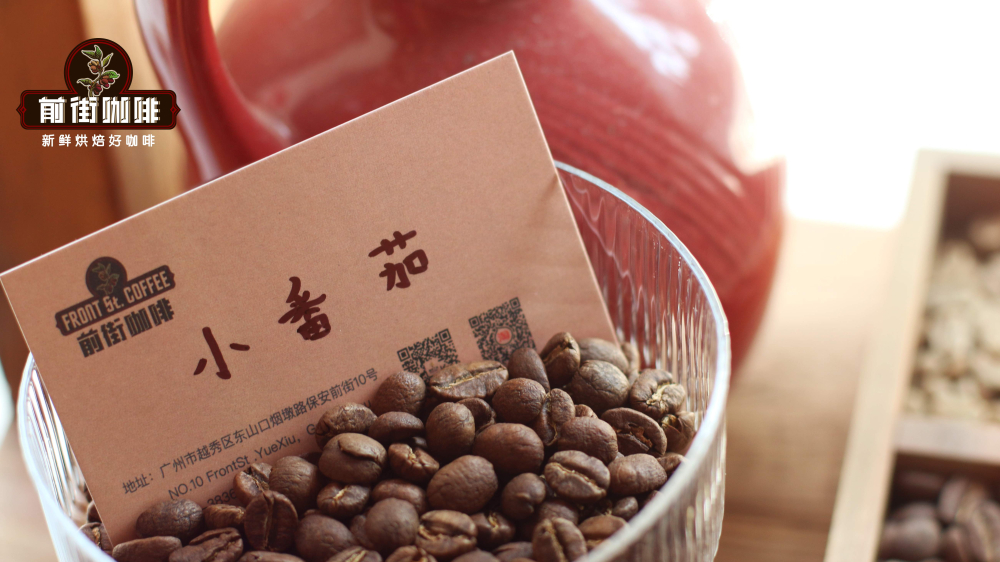
The lemon and Colombian Sidamo pairing, while emitting fresh lemon aroma upon opening—even with a hint of citronella-like herbal notes—resulted in a drinking experience marked by citrus peel astringency, green-tea-like bitterness, and sharp fruit acidity overlapping, leaving an uncomfortable aftertaste on the tongue. This indicates that matching acidic fruits with certain coffee beans requires more careful evaluation.
The Costa Rican Strawberry Sweet and peach pairing, because the peach slices were not mashed, mainly emitted sweet strawberry jam aromas upon opening, with the presence of peaches being relatively low. However, when sipped, the synergy of dried apricot, ripe strawberry, and subtle fermented wine notes was distinctly perceptible. Compared to traditional strawberry-sweet cold brew, adding fresh peach chunks enhanced the overall fruit intensity and delivered a more solid sweetness.
Summarizing the experimental results, the success of fruit and coffee pairings hinges on selecting fruits suitable for prolonged steeping and appropriate preparation methods. Taking commonly available items in southern China as examples: berries (such as grapes, blueberries, raspberries, and mulberries) are recommended to be juiced before steeping; stone fruits (peaches, apricots, cherries) should be sliced thinly to facilitate flavor release; tropical fruits like pineapple and lychee, due to their stability, are safe choices.
For coffee beans, it is recommended to choose lightly to medium-roasted beans with pronounced fruity and floral profiles from Africa and Central America—such as washed beans like Gu Ding Ding, Mozart, or Butterfly, which are commonly available on the market—and these can effectively balance fruit acidity and coffee body.
Beyond basic fruit cold brew, various variations can be derived: adding fresh milk to make a cold brew latte, using dairy fat to soften extraction impurities and enhance smoothness; mixing with sparkling water can amplify aroma expression through carbonation, creating a refreshing taste; and coconut water, rich in amino acids and minerals, can produce a uniquely sweet-salty flavor when mixed with cold brew, especially suitable for hot seasons.
Practical test case: mixing 100ml chilled coconut water with 100ml Strawberry Sweet cold brew (maintaining a 1:10 coffee-to-water ratio) in a 1:1 ratio resulted in a product that combined the sour-sweet qualities of raisins and strawberry taffy, while permeating with a fresh coconut aroma—opening up a brand-new flavor dimension for cold brew beverages.
The above content is compiled by CoffeeHunters, a coffee news website.


