







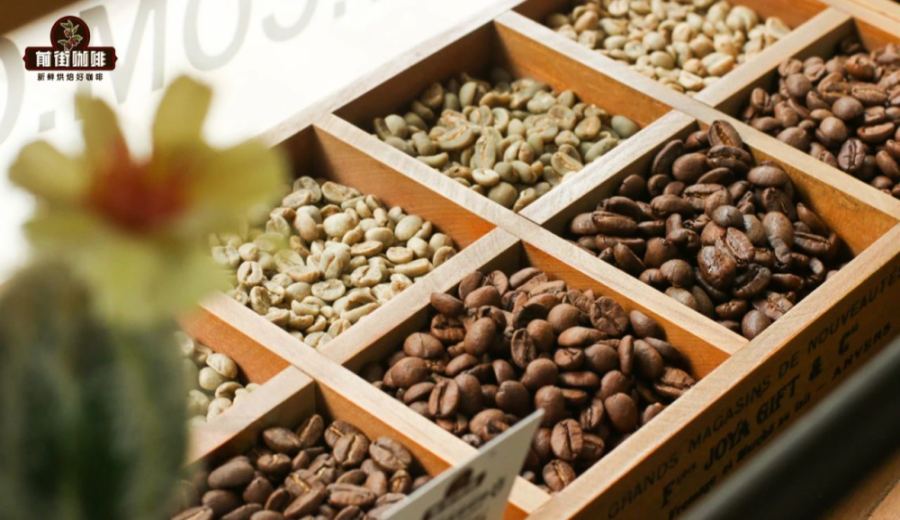
Introduction:Geisha (Geisha) coffee has won international competitions repeatedly in recent years and is hailed as the top variety in the coffee world. However, it actually belongs to the Typica family within Arabica. This article delves into the varietal origins, historical development, unique flavors of Geisha, as well as the differences between Panama’s La Esmeralda Estate Red Label, Green Label, and Volcanic Rock Geisha. It also provides professional pour over recommendations and parameters to help you fully grasp the secrets of this legendary coffee bean.
In the world of specialty coffee, Geisha (Geisha) is undoubtedly one of the brightest stars in recent years. With its unique aroma and layered, complex flavors, this coffee bean has achieved remarkable results in major global coffee competitions, even prompting Panamanian coffee events to establish separate “Geisha” and “Non-Geisha” categories. However, many may not realize that Geisha is actually a member of the Typica family within the Arabica species.
Geisha was first discovered in 1931 in the Gesha Forest of southern Ethiopia. Initially, it did not receive much attention and was considered just an ordinary tree species. Later, these coffee seeds were sent to the Lyamungu research institute in Tanzania, and then transferred to the Tropical Agricultural Research and Higher Education Center (CATIE) in Costa Rica, where it was cataloged as T2722. It wasn’t until the 1960s that, due to its certain resistance to coffee leaf rust, it was introduced to Panama, where it was initially planted only as a windbreak—no one could have imagined that decades later it would become a legend in the coffee world.
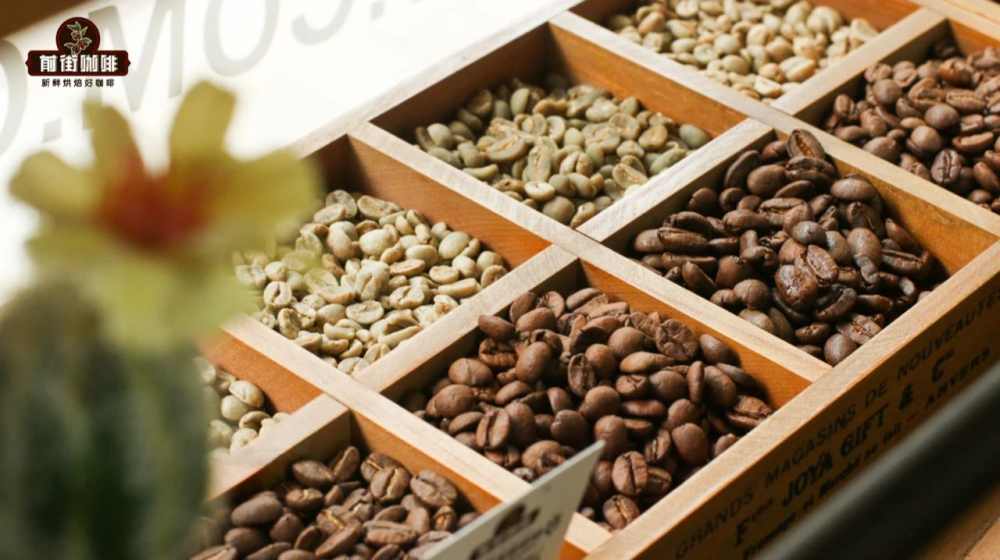
Geisha truly shined after the 2005 Panamanian international competitions, where its unique aroma and taste amazed judges. Known for its exceptionally clean cup profile, bright acidity, and rich fruitiness, Geisha often features notes of berries, citrus, peach, mango, and papaya, with a finish that commonly exhibits a refreshing hint reminiscent of bergamot (citrus bergamia). This distinctively layered and captivating performance quickly propelled it to the ranks of top-tier specialty coffee.
Currently, the most popular and flavor-forward origin for Geisha is undoubtedly the Boquete region of Panama, especially the La Esmeralda Estate located on the eastern slopes of the Baru Volcano. This estate was not only one of the first places to recognize Geisha’s potential, but also continues to showcase its charm through strict selection and processing methods.
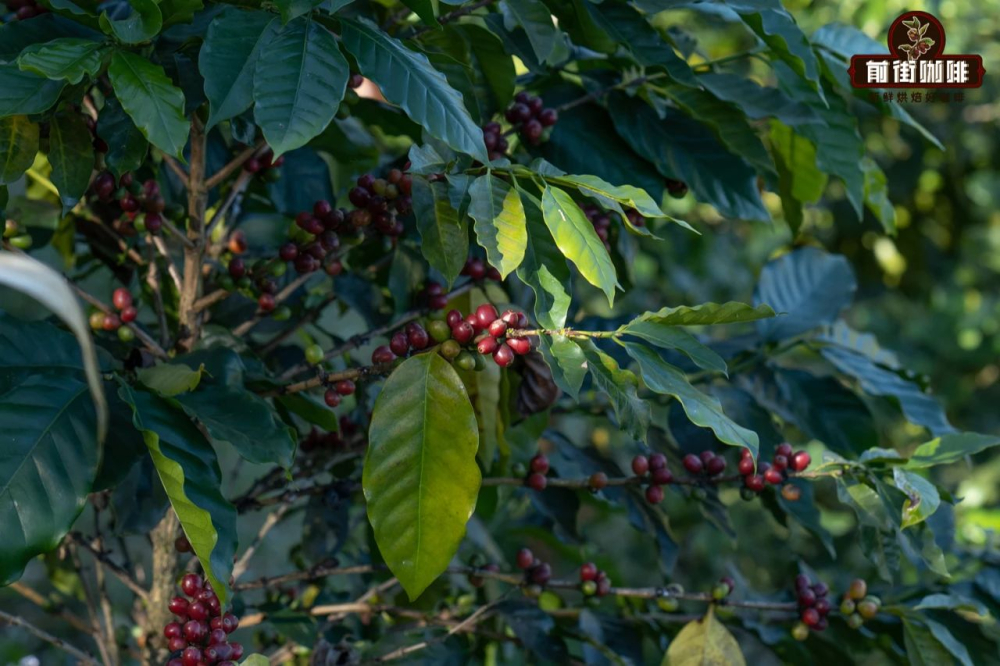
La Esmeralda’s Geisha series was previously divided into Red Label, Green Label, and Blue Label. However, after the discontinuation of the Blue Label in 2021, a new offering called “Volcanic Rock (Las Rocas)” Geisha emerged. Cupping tests have confirmed that its flavor profile is very similar to the old Blue Label, and it is now regarded as the continuation of the Blue Label. The Red Label Geisha is typically selected from beans grown at altitudes of 1600 to 1800 meters, with cupping scores above 90, sourced from premium lots such as the Mario lot. These are released either via auction or non-auction channels and demonstrate exceptional flavor profiles, with intense floral and fruity notes—making it a dream choice for many coffee enthusiasts.
In contrast, the Green Label Geisha is a blend of multiple micro-lots grown between 1600 and 1800 meters. While individual lots cannot be traced, it still retains the classic Geisha flavor profile, offers great value for money, and is suitable for consumers who want to experience the charm of Geisha but have a more limited budget. As for the Volcanic Rock Geisha, it is also grown at altitudes exceeding 1500 meters and processed using the washed method, showcasing the signature freshness and balanced aromatics of Geisha.
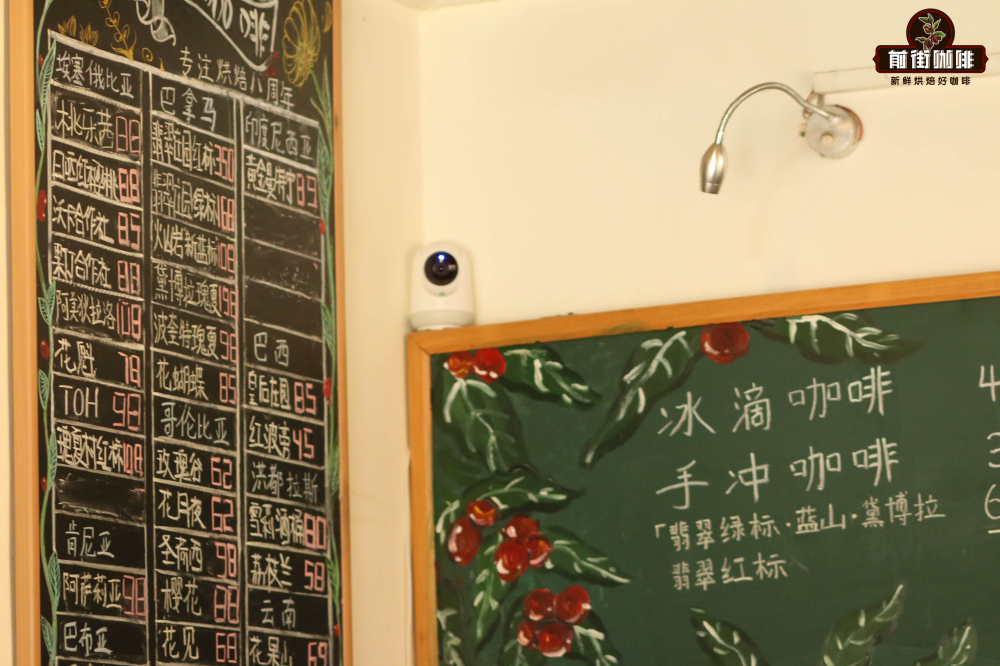
For brewing recommendations, to highlight the delicate acidity and floral-fruit aromas of Geisha coffee, it is advised to use a medium-light roast. For actual pour over brewing, you can choose a Hario V60 dripper, with water temperature at 93°C, a coffee-to-water ratio of 1:15, and a grind size recommended to be 80% passing through a #20 sieve—roughly between superfine and regular white sugar. A specific approach could involve the three-pour method: start by pouring 30 grams of water for a 30-second bloom, followed by a slow spiral pour up to 125 grams. When the water level drops halfway in the dripper, pour the third stage up to 225 grams. Keep the total extraction time around 2 minutes to fully bring out the intricate and rich layers of Geisha.
In summary, although originating from Ethiopia, Geisha coffee has found its ideal environment for flavor expression in Panama. Whether it's Red Label, Green Label, or Volcanic Rock Geisha, each offers a different kind of surprise. For enthusiasts eager to delve into specialty coffee and refine their pour over skills, Geisha is definitely a classic variety not to be missed.
The above content is compiled by CoffeeHunters, a coffee news website.


