







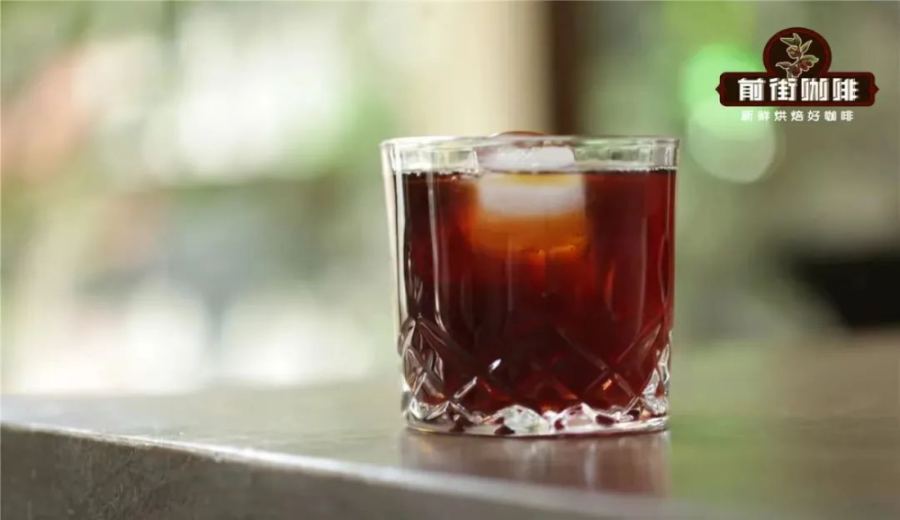
Introduction:Drip coffee, with its unique cold-brewed flavor and smooth taste, has become the top choice for coffee lovers in summer. But do you know its historical origins, extraction principles, and the actual caffeine content? This article delves into the background of drip coffee, details of equipment operation—including water-to-coffee ratio, filter paper use, and pre-wetting techniques—and debunks myths about caffeine levels. It also provides two practical blend suggestions to help you brew a drip coffee with rich layers.
As summer temperatures rise, more and more coffee enthusiasts are drawn to drip coffee. This coffee, extracted slowly with cold water, not only has a refreshing flavor but also offers unique aromatic layers. However, information online varies widely regarding its origins, brewing principles, caffeine levels, and suitable coffee bean choices. This article will guide you from historical background to practical operation, helping you fully master the brewing techniques of drip coffee.
The Origins of Drip Coffee: The Dutch Story is Just Marketing
It’s often said that in the 17th century, Dutch sailors invented a method of extracting coffee by dripping cold water through coffee beans during transport because there was no hot water on board. Though widely circulated, this story was actually fabricated by Japanese manufacturers to market drip coffee makers. In reality, Western countries like the Netherlands commonly used a "cold brew" method—steeping coffee grounds in cold water for extended periods—rather than the Japanese drip method, and the term "Dutch Coffee" is not commonly used in the West.
The True Origins of Drip Coffee: Inseparable from Kyoto, Japan
Although often called "Dutch Coffee," drip coffee is actually more closely associated with Kyoto, Japan, and is sometimes referred to as "Kyoto Coffee." Legend has it that a Kyoto coffee shop owner, inspired after reading records of coffee brewing during the Dutch colonial period in Indonesia, collaborated with students from Kyoto University’s chemistry department and a medical equipment company to develop a device that could simulate the Indonesian dripping method. This successfully replicated a similar cold-brewed coffee flavor. The method later spread to Europe and America, but due to unclear historical context, Westerners simply called it "Kyoto Coffee."
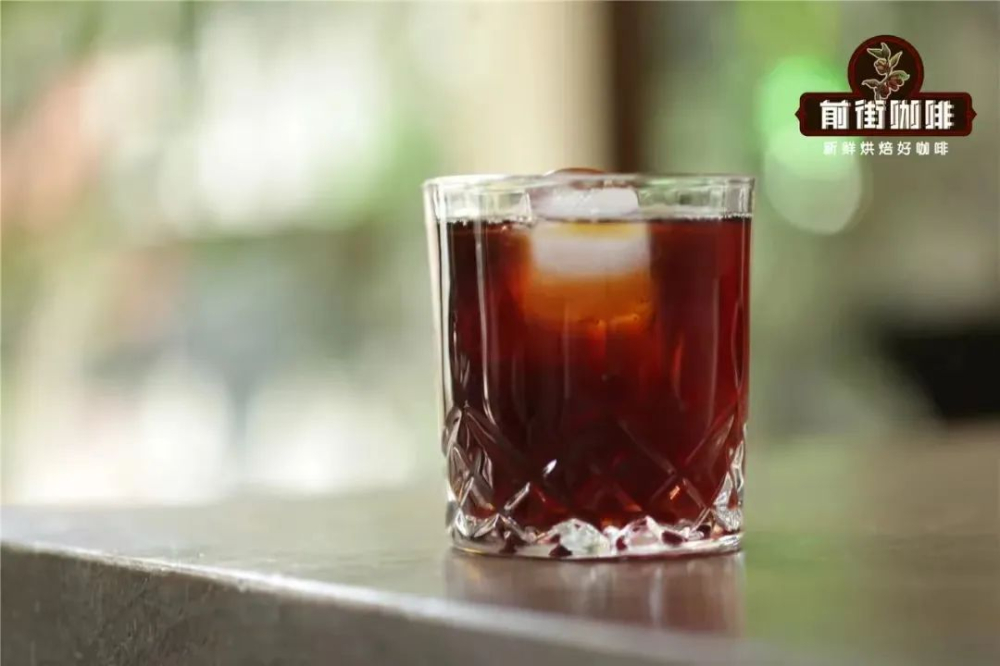
The Unique Flavor of Drip Coffee: Low-Temperature Extraction Delivers Surprising Aroma
Drip coffee uses near-freezing ice water for extremely slow extraction. The low temperature effectively prevents the loss of volatile aromatic compounds, allowing the aroma to remain fully preserved in the coffee liquid. When the coffee liquid warms up in the mouth, these hidden aromas are released instantly, especially creating a strong aromatic burst at the back of the mouth, delivering an exceptionally layered taste experience.
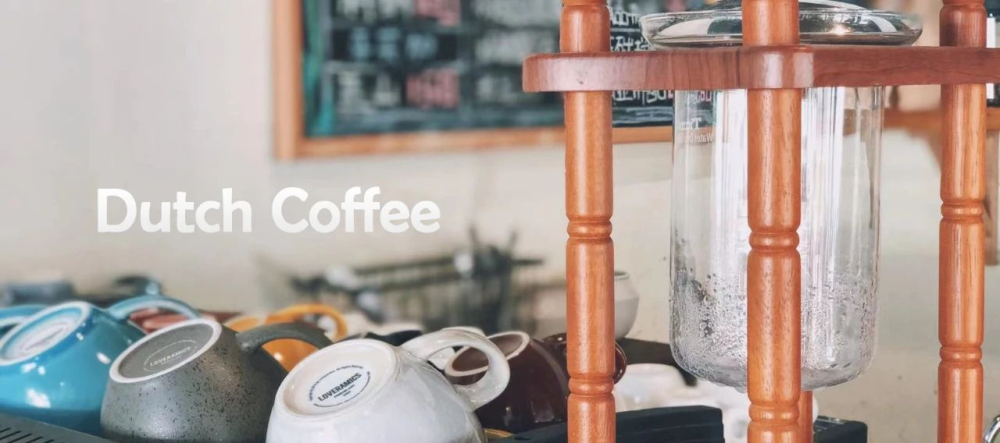
Practical Guide to Making Drip Coffee: Key Steps in Water-to-Coffee Ratio, Filter Paper, and Pre-Wetting
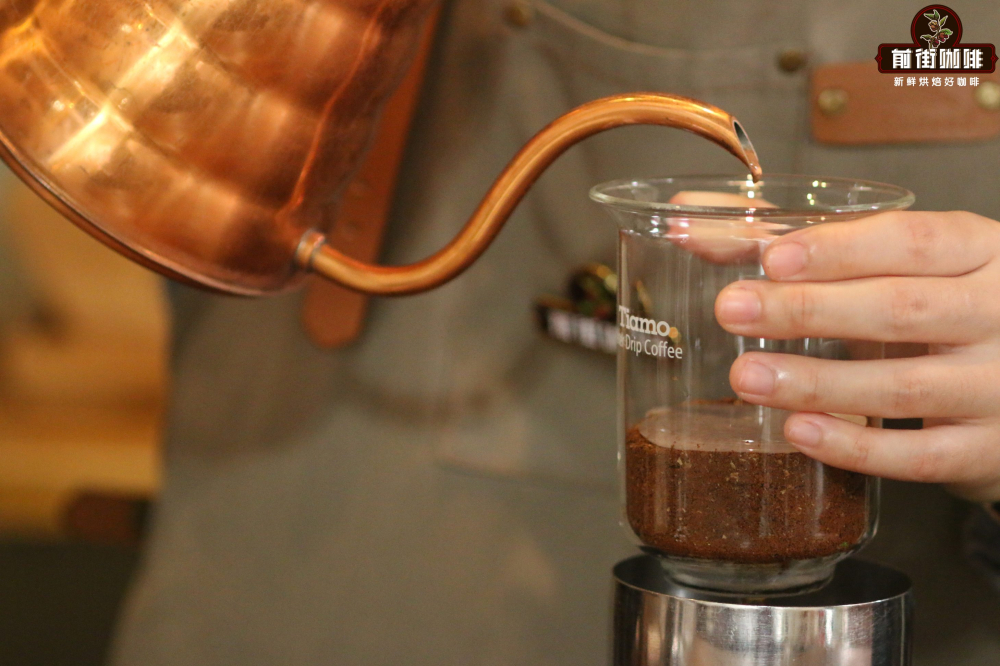
When making drip coffee, it’s recommended to use a water-to-coffee ratio of 1:10, such as 60 grams of coffee grounds with 600 milliliters of water. First, place a round filter paper at the bottom of the powder chamber, wet it with water, and press it tightly against the walls. Then add coarsely ground coffee (around EK-43s#10 setting, about the size of sugar granules), gently shake or tamp the surface with a tamper. Next, cover the coffee layer with another filter paper to help distribute the water droplets evenly and prevent the coffee bed from sinking due to prolonged dripping.
Pre-wetting is a crucial step, similar to the bloom in pour over, which improves overall extraction consistency. It’s recommended to pre-wet with a mixture of ice and water, adjusting the drip rate toabout 7 drops per 10 secondsto ensure the coffee grounds are evenly moistened. Starting the drip directly may result in some grounds being over-extracted while others are under-extracted.
After completing the drip, it’s recommended to pour the coffee liquid into a sealed container and refrigerate itfor fermentation overnightto enhance flavor integration, resulting in a smoother and more layered taste.
Caffeine Content in Drip Coffee: The Truth May Surprise You
Many people assume drip coffee has lower caffeine content because low temperatures make it harder to extract caffeine (which typically requires temperatures above 80°C to release easily). However, the long extraction process still accumulates a certain amount of caffeine, which in some cases may even rival that of hot-brewed coffee. Actual values vary depending on bean type, drip rate, and extraction time. For those sensitive to caffeine, it’s recommended to opt for lattes or low-caffeine beverages instead.

Choosing Coffee Beans for Drip Coffee: Blends Create Deeper Flavor
Many assume any beans can be used for drip coffee, but a single-origin bean may not fully showcase the complete aroma and sweetness. Proper blending can enhance specific flavors and create a richer taste profile. Here are two tested and recommended blend ratios:
Blend Recipe 1 (Balancing Fruity Acidity and Wine-like Notes):
30 grams of Honduran Sherry Coffee + 30 grams of Costa Rican Beethoven Coffee
The Sherry coffee is fermented in whiskey barrels, delivering pronounced wine-like aromas and a smooth vanilla-cream texture; the Beethoven is washed-processed, offering bright citrus acidity and berry sweetness. Together, the drip coffee presents intense wine notes, with citrus acidity, berry sweetness, and a creamy-smooth finish.
Blend Recipe 2 (Brandy Aroma and Maple Sweetness):
20 grams of Honduran Lishan + 40 grams of Gesha Village Red Label
The Lishan is processed in brandy barrels, offering subtle wine-like aromas and a chocolatey finish; the Gesha Village Red Label, sun-dried, showcases plum and citrus acidity paired with maple sweetness and a creamy-smooth texture. This drip blend features distinct flavor layers, balanced acidity and sweetness, and a long-lasting finish.
By understanding the historical background, operational principles, and practical tips of drip coffee, you too can easily brew an exceptional-tasting drip coffee at home. Whether you’re seeking a refreshing taste or exploring complex layers, drip coffee can add a unique flavor experience to your summer coffee moments.
The above content is compiled by CoffeeHunters, a coffee news website.


