







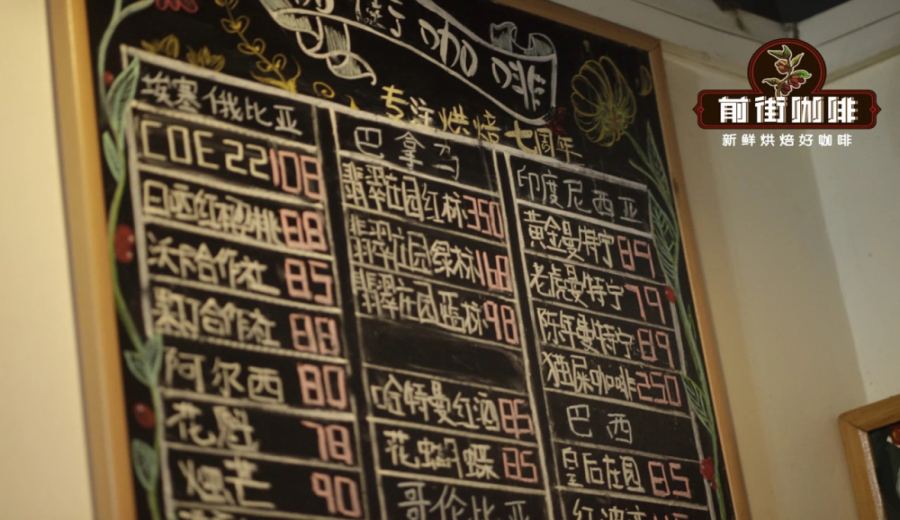
Introduction:Indonesian Mandheling coffee is renowned for its bold and full-bodied flavor profile. However, brewing a cup of Mandheling that strikes a perfect balance of flavors with clear layers requires careful attention — from bean selection and freshness assessment to mastering the right roast level and pour over parameters. This article delves into the regional characteristics of Sumatran Mandheling and the wet-hulled processing method, while also providing practical pour over recommendations for medium-dark roasted Mandheling. Whether you're a beginner or a seasoned enthusiast, this guide will help you fully appreciate the timeless charm of this classic coffee.
Indonesian Mandheling coffee has carved out a niche in the global specialty coffee market thanks to its distinctive flavor profile. To truly savor a high-quality cup, it’s not enough to choose the right origin or processing method — one must also consider factors such as roast date, roast level, and brewing technique to fully experience its richly layered aromas and tastes.
Sumatran Mandheling, particularly beans sourced from the mountainous regions around Lake Toba in North Sumatra Province, is one of the most sought-after offerings on the market. These coffees are mostly distributed by PWN (Pusat Penyangga dan Pemasaran Kopi), and among them, “Golden Mandheling” stands out due to its rigorous triple hand-picking process and high-standard production procedures. This coffee not only preserves the signature bold aroma of Mandheling but also showcases a rich and refined flavor profile, making it a classic favorite among many coffee lovers.
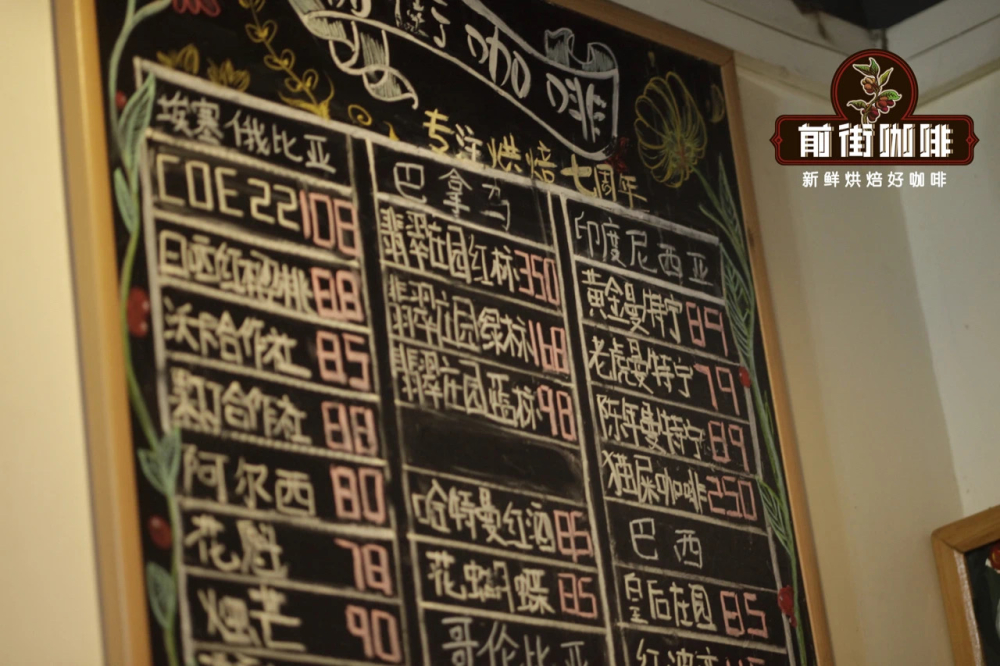
As a globally significant coffee-producing nation, Indonesia boasts a diverse coffee ecosystem that includes both Arabica and Robusta varieties. Among them, Arabica beans from regions such as Sumatra’s Mandheling, Sulawesi, and Java are especially favored by coffee enthusiasts. In particular, Sumatra — with its unique geographical environment — has become a key birthplace of premium Mandheling.
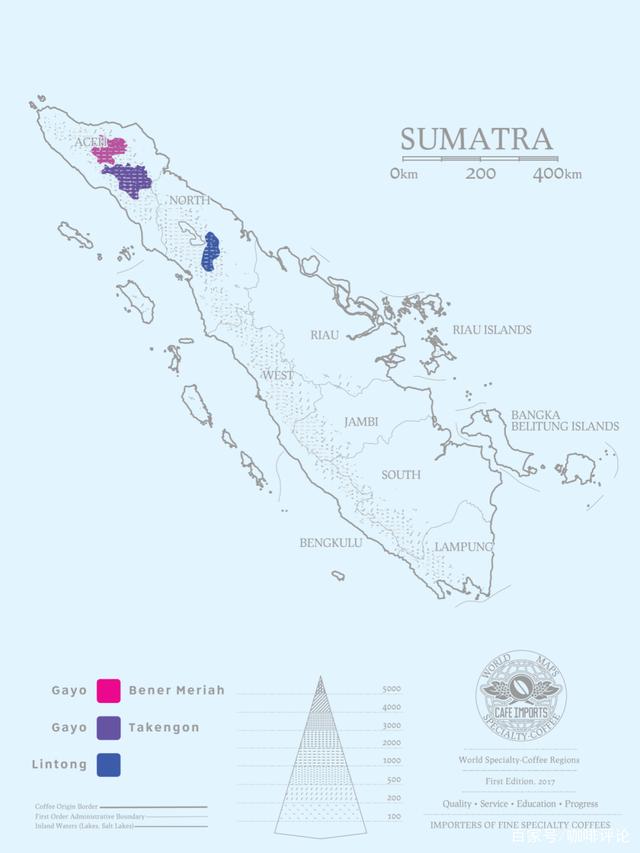
Coffee in Sumatra is primarily grown in the northern regions of Aceh and North Sumatra Provinces, surrounding the famous Lake Toba and Lake Tawar, known respectively as the Lintong and Aceh growing areas. Due to the tropical rainforest climate, the region experiences high temperatures and humidity year-round, with frequent rainfall and insufficient sunlight and drying conditions, making traditional washed and natural processing methods less feasible. As a result, the region developed the unique “wet-hulled” (giling basah) method, which significantly shortens the processing time and contributes to Mandheling’s distinctive spicy, herbal, and woody flavor notes.
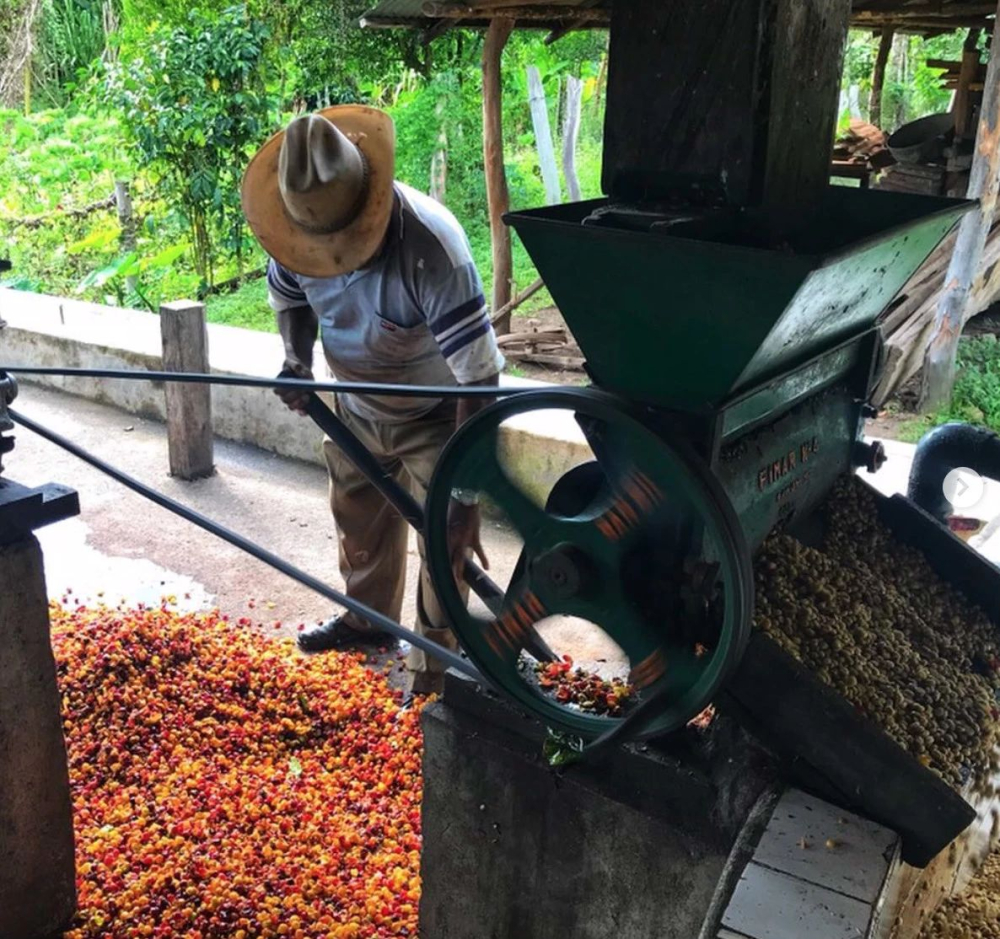
The wet-hulled process follows a relatively compact workflow: coffee cherries are first floated to remove unripe ones, then depulped to remove the outer skin and undergo a brief fermentation period before being brushed to remove remaining mucilage. The parchment-covered beans are then dried to approximately 30–40% moisture content before being sold to buyers, who further hull them to remove the remaining mucilage and parchment layer, finally drying them down to the standard 12–13% moisture level. Since the beans remain semi-dry during parts of this process, they are prone to absorbing moisture, which often gives Mandheling its slightly muted or earthy tonality — a unique trait of its flavor.
It’s worth noting that although the wet-hulled method is highly efficient, it is also relatively rough, often leading to a higher rate of defects in green beans. To meet export standards, beans typically undergo multiple rounds of screening. Take PWN’s Golden Mandheling, for example: in addition to meeting Indonesia’s Grade 1 standard of fewer than 11 defects, it also goes through machine sorting and triple manual selection, retaining only beans that are 18 mesh or larger, uniformly shaped, and consistent in color. This results in a product with high cleanliness and clear, vibrant flavor expression.
For those who enjoy pure, unadulterated coffee flavors, pour over is one of the best methods to highlight the layered profile of Mandheling. It is recommended to use freshly roasted beans with a roast date within 5 days to fully appreciate their vibrant aromatic qualities. A well-known brand’s Golden Mandheling, for instance, is primarily medium-dark roasted — a level that brings out the coffee’s full-bodied texture while maintaining a balanced acidity and aromatic complexity.
Because medium-dark roasted Mandheling beans have lower density and higher water absorption rates, using the same water temperature and grind size settings as those for light roasts can easily lead to over-extraction, resulting in burnt bitterness and astringency. Therefore, it is advised to use water at about87°Cand amedium-coarse grind size (such as one that allows approximately 70% of the beans to pass through a Chinese standard No. 20 sieve)to effectively control extraction and avoid releasing excessive bitter compounds.
In terms of equipment, if you prefer a fuller-bodied mouthfeel, you might consider using a KONO filter cone, which has a slower flow rate compared to the high-output design of the V60. The KONO extends the contact time between coffee grounds and water, extracting more sweetness and spicy notes.
Practical pour over parameters are suggested as follows: First, perform a 30-second bloomwith 30 grams of water, observing whether the beans expand into a plump “coffee dome,” which can serve as an initial indicator of bean freshness. Then, pour water slowly in small circles from the center outward until you reach125 grams. When the water level is about to expose the coffee bed, continue pouring in circles until you reach225 grams. Keep the total brew time around2 minutesto achieve a result that is both balanced and layered in flavor.
Once brewed, Mandheling greets the palate with a rich aroma of dark chocolate, followed by layers of roasted hazelnut, caramel, and melon flavors, complemented by distinct spicy notes. The finish is long-lasting and warmly lingering — a classic coffee well worth savoring. Whether you’re new to coffee or a seasoned connoisseur, as long as you master the roast level, freshness, and pour over techniques, you can unlock endless flavor potential from Mandheling.
The above content is compiled by CoffeeHunters, a coffee news website.


