







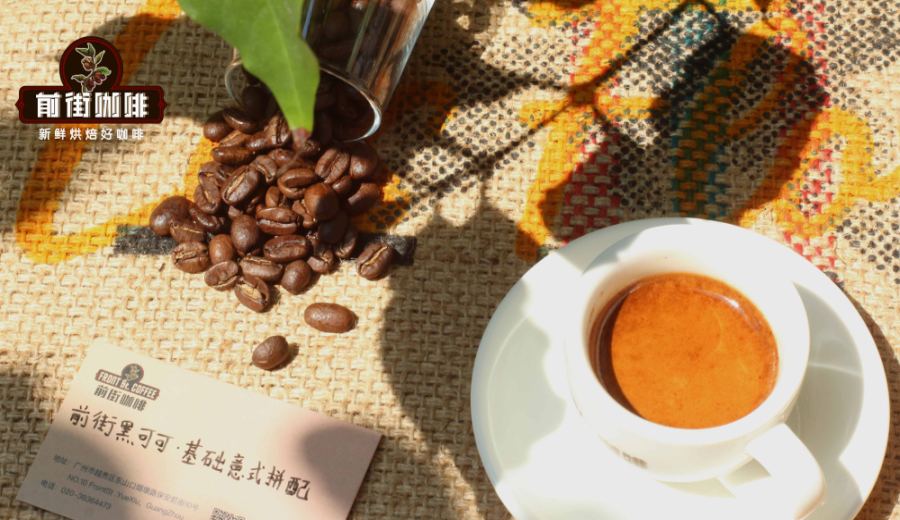
Introduction:If you want to brew a rich and smooth Americano at home using an espresso machine, choosing the right coffee beans is the first step to success. This article will explore, from a home-use perspective, the characteristics of three types of beans—medium-roast blends, medium-dark roast commercial blends, and medium-roast single-origin espressos (SOE)—and provide practical parameters such as dosage, extraction time, yield, and dilution ratio, helping you find the perfect combination based on your personal taste and elevate your home coffee experience.
Making an Americano at home with an espresso machine essentially involves diluting a shot of espresso with hot water. Therefore, selecting the right coffee beans will directly affect the final flavor. It’s recommended to choose freshly roasted professional espresso beans to fully showcase the layers and aroma that espresso should have.
Common espresso beans can be divided into two main categories: blends and single origins, and depending on the roast level, they can be further categorized into medium roast, medium-dark roast, and dark roast. If you’re aiming for a balanced, non-overpowering, refreshing, and smooth taste, you might want to start with a medium-roast blend. For example, a blend combining beans from Colombia, Costa Rica, and Ethiopia offers pronounced berry and stone fruit aromas, along with soft cream and almond notes. Its crema is moderate, making it suitable for brewing a mellow yet layered Americano.
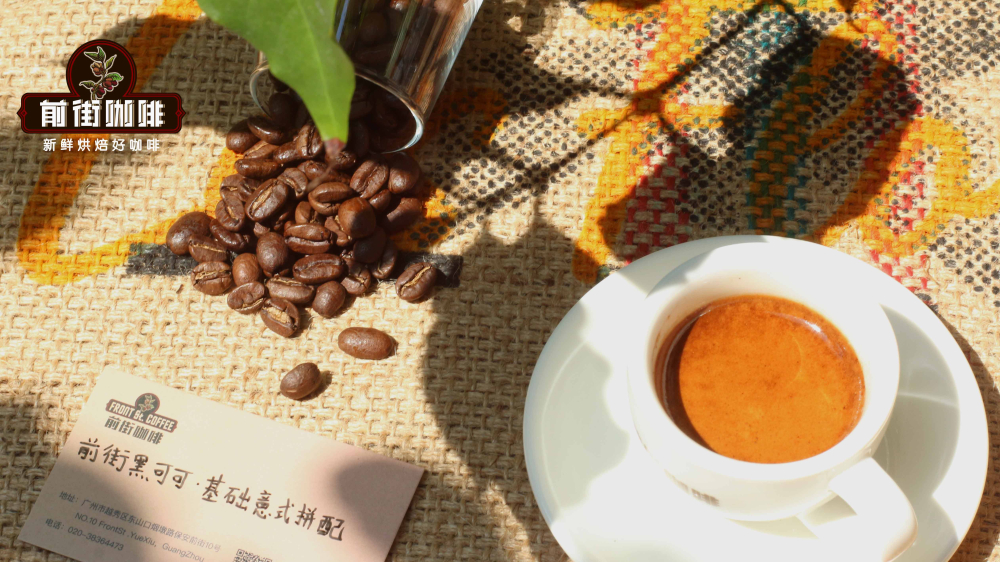
The recommended extraction parameters for this type of medium-roast blend are: 18 grams of coffee grounds, extracted for about 30 seconds to yield 36 grams of espresso, then diluted with 180 grams of hot water according to personal preference to make a hot Americano. The overall ratio is approximately 1:5 to 1:6, resulting in a refreshing taste without noticeable bitterness, making it very suitable for daily consumption.
If you’re managing a home coffee corner or considering opening a café in the future, a medium-dark roast commercial blend will be a more stable choice. These beans typically combine beans from Brazil and Colombia, occasionally with a small amount of Robusta, and through medium-dark roasting, they bring out rich caramel, nut, and dark chocolate aromas. The crema is thick and fine, delivering a flavor profile close to that of a café-quality cup.
It’s recommended to use 20 grams of coffee grounds, extract for 25 seconds to obtain about 40 grams of coffee liquid, then dilute with 200 grams of hot water to create a well-balanced Americano with a notable aftertaste. This ratio is approximately 1:5, suitable for users who enjoy dark roast flavors but don’t want an overly astringent taste.
If you prefer a cleaner, lower-acid, and less bitter taste, you can opt for a medium-roast single-origin espresso bean (SOE). For instance, certain sun-dried Yirgacheffe beans from specific regions, or beans with pronounced berry and tropical fruit profiles, retain clear acidity and floral notes when roasted appropriately, making them ideal for those who enjoy brighter-tasting cups.
The recommended extraction parameters are: using 20 grams of coffee grounds, extracting for 30 seconds to achieve 36 grams of espresso, then diluting with 180 grams of hot water at a 1:5 ratio to create an Americano with balanced acidity and sweetness, as well as clear flavor notes. This is suitable for beginners or coffee lovers who enjoy fruity flavor profiles.
Regardless of which type of beans you choose, freshness is key. It’s recommended to purchase recently roasted coffee beans and use them within 7 to 21 days after roasting to achieve the best flavor. Additionally, parameters such as coffee-to-water ratio, grind size, and extraction time should be fine-tuned according to actual conditions to consistently reproduce your ideal coffee flavor.
In summary, as long as you master the type of beans, roast level, and extraction parameters, even with a standard home espresso machine, you can easily brew an Americano that rivals café quality. From the mellow balance of medium-roast blends, to the rich intensity of medium-dark roasts, to the bright fruitiness of single-origin beans—each combination offers a distinctly different taste experience, well worth exploring and adjusting for any coffee enthusiast.
The above content is compiled by CoffeeHunters, a coffee news website.


