







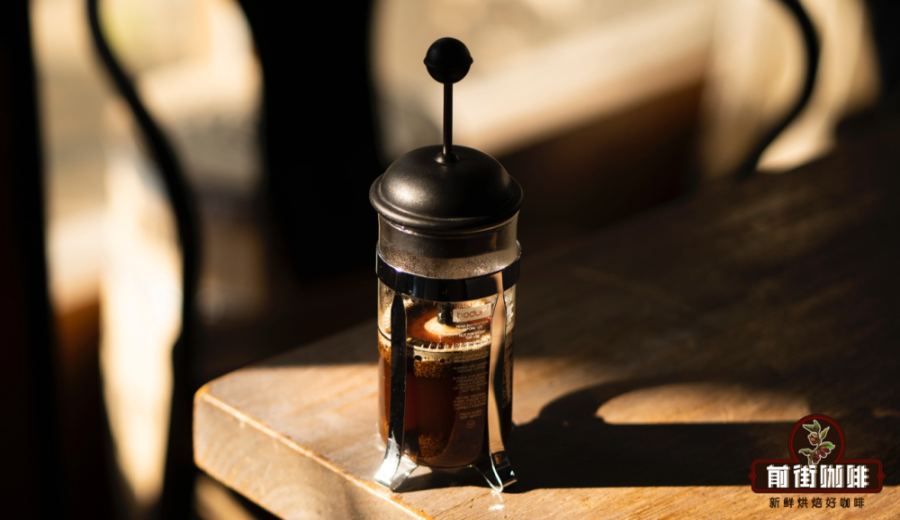
Introduction:Want to brew a cup of coffee that captures the rich layers of Blue Mountain No. 1 using the simplest equipment? The French press is intuitive to use and offers high flavor retention. By mastering just a few key parameters, you can easily extract the classic flavors—like the interplay of creamy chocolate and caramel aftertaste. This article starts with an introduction to the Blue Mountain No. 1 growing region certification and grading system, highlights the features of the Clifton Estate, and then breaks down the French press brewing process in detail, including coffee-to-water ratio, grind size, water temperature, and pressing technique, to help you consistently replicate the outstanding flavors of this world-class coffee.
For enjoying a bold, flavorful black coffee at home, the French press is definitely one of the easiest tools to use while also being one of the best at preserving the true essence of the coffee. It’s not only simple to operate and forgiving, but also retains more coffee oils and sediment thanks to its metal filter, resulting in a richer and more layered cup. However, this also means it demands higher quality and freshness from the coffee beans. Using Jamaican Blue Mountain No. 1 as an example, this article will guide you through the region’s authentic certification and grading system, introduce the background of the Clifton Estate, and walk you step-by-step through the French press brewing process—including the optimal coffee-to-water ratio, grind size, water temperature control, and pressing techniques—so you can recreate that classic Blue Mountain flavor with creamy chocolate and caramel notes right at home.
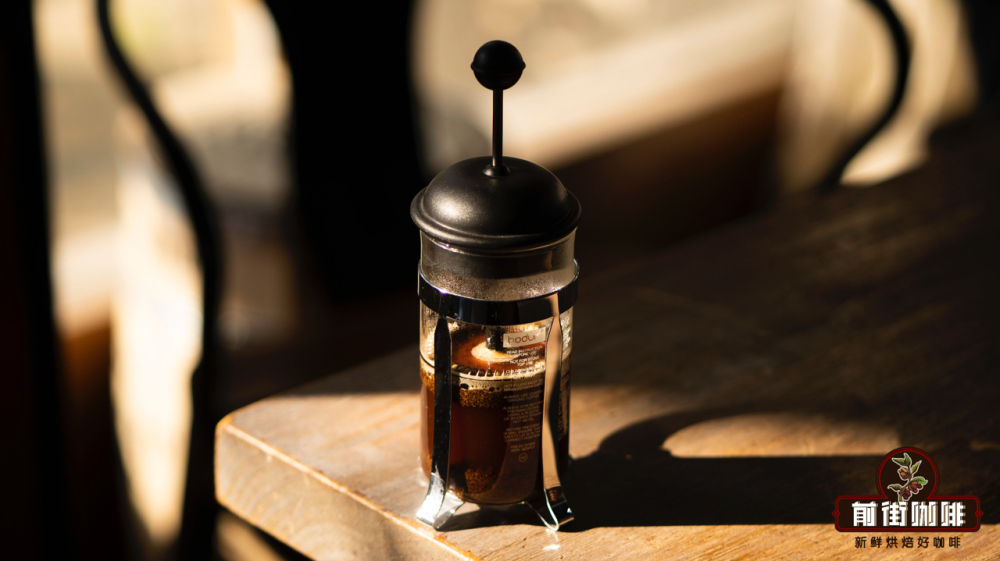
The French press isn’t just a great choice for beginners—it’s also one of the most stable brewing methods for home use. Thanks to its metal filter, compared to methods like pour over or siphon, it delivers a more consistent expression of the coffee bean’s inherent characteristics. Today, we’ll use Blue Mountain No. 1—dubbed the “Emperor of Coffees”—to demonstrate how to brew a clear, well-layered black coffee using the French press.
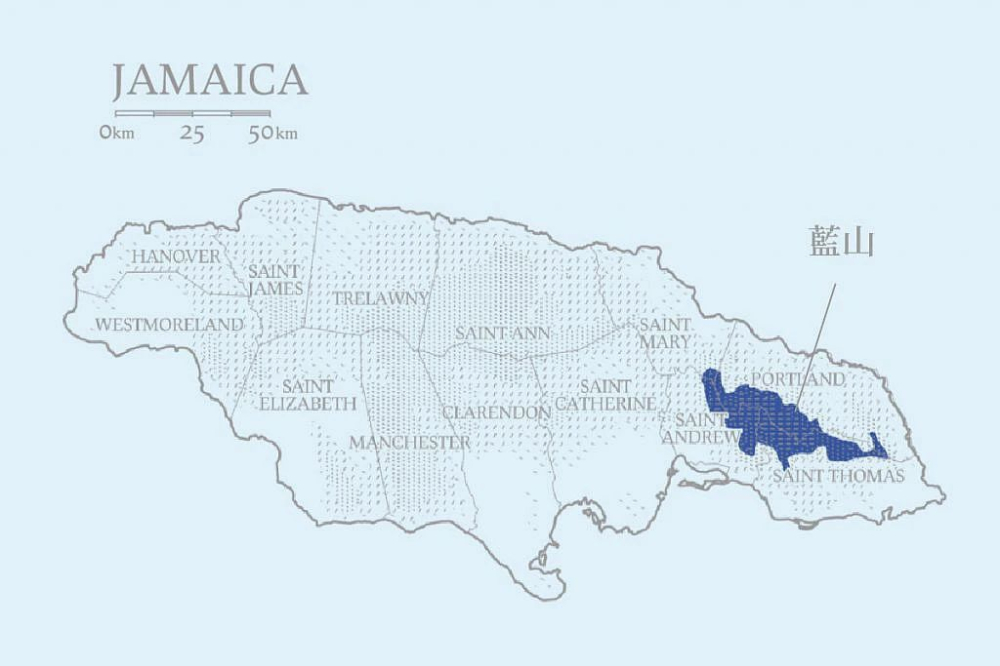
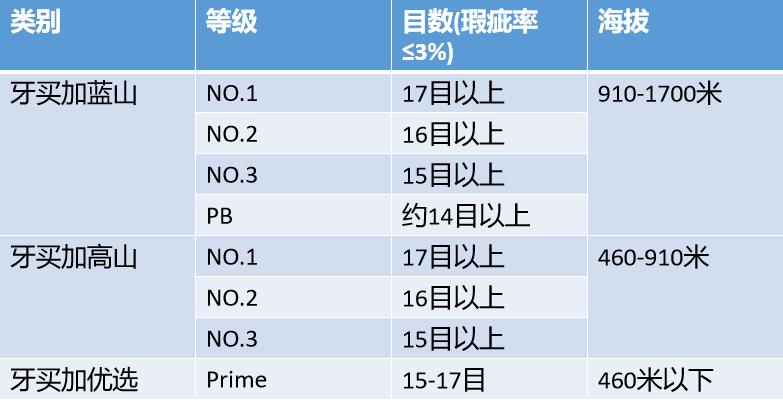
What is real Blue Mountain No. 1 coffee? First, Blue Mountain coffee doesn’t refer to all coffee produced on the island of Jamaica, but specifically to coffee grown within four administrative regions in eastern Jamaica: St. Andrew, St. Thomas, St. Mary, and Portland, at elevations between 1,000 and 1,700 meters. This mountainous area of just about 6,100 hectares is the only authentic growing region for Blue Mountain coffee. Even within these four regions, coffee grown below 1,000 meters (approximately 500–1,000 meters) is classified only as “Jamaica High Mountain Coffee,” and anything below 500 meters falls into the even lower grade of “Jamaica Prime Coffee.” Coffee grown outside this designated area cannot be called Blue Mountain at all. Interestingly, according to official Jamaican statistics, only about 25% of the coffee produced in the entire Blue Mountain region meets the qualifications to be labeled as Blue Mountain coffee.
The grading system for Jamaican Blue Mountain coffee is also very clear, primarily divided into three categories: Blue Mountain Coffee, Jamaica High Mountain Supreme Coffee Beans, and Jamaica Prime Coffee Beans. Within the Blue Mountain and High Mountain categories, there are further sub-grades, listed from highest to lowest as: Blue Mountain No. 1, Blue Mountain No. 2, High Mountain No. 1, High Mountain No. 2, and Jamaica Prime Coffee. When further categorized by green bean quality, they are divided into NO.1, NO.2, NO.3, and PB (peaberry), where NO.1 grade Blue Mountain green beans must meet strict criteria such as screen size 17 or above, defect rate below 3%, and moisture content around 13%. Notably, Blue Mountain No. 1, No. 2, No. 3, and peaberry are among the few premium coffees in the world that are exported in wooden barrels, with export specifications of 70 kg, 30 kg, and 15 kg; other grades of Jamaican coffee are exported in 60 kg jute sacks. The Blue Mountain No. 1 introduced in this article is precisely the top-grade NO.1 level Blue Mountain coffee.
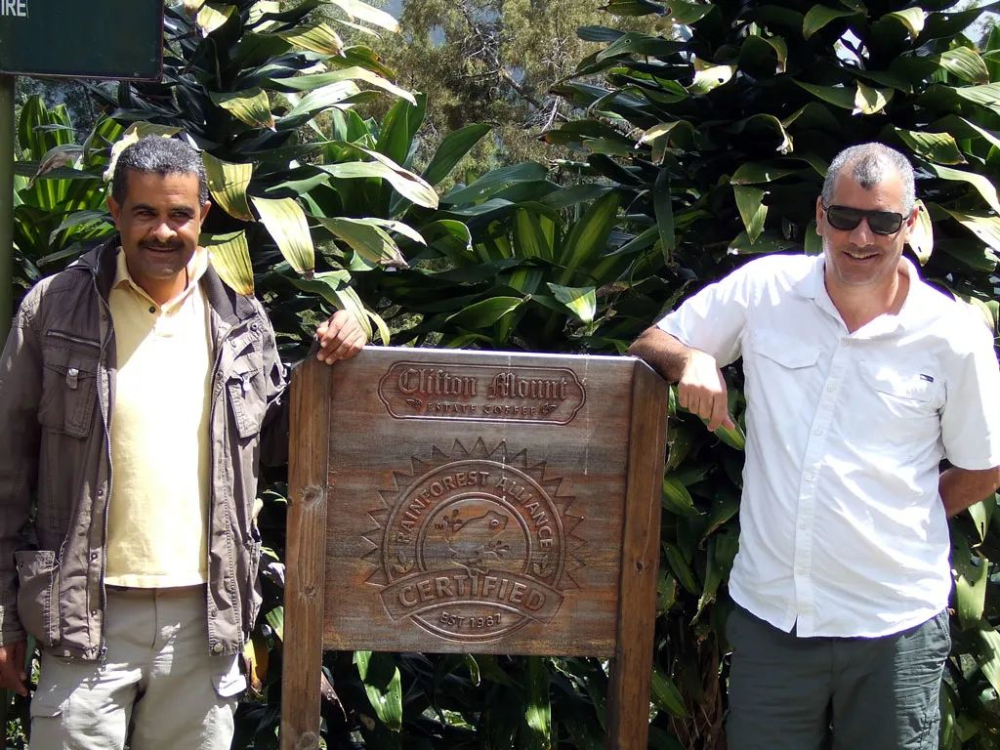
Among them, the Clifton Estate (Jamaica Clifton Mount Estate) is one of the well-known coffee farms in the Blue Mountain region, operated by the Sharp family, certified by the Rainforest Alliance, located in the Newcastle area, covering a total area of 250 acres, with about 180 acres dedicated to coffee cultivation, at an average elevation of approximately 1,310 meters (4,300 feet). The estate mainly uses the washed processing method and grows 100% Arabica Typica, known for its excellent balance between acidity, body, and aroma. As one of the representative Blue Mountain coffee producers in the area, the Clifton Estate’s Blue Mountain No. 1 is often regarded as the classic representation of this top-tier coffee.
To fully showcase the classic characteristics of Blue Mountain No. 1, many roasters opt for a medium-dark roast to highlight its rich profile. During the grinding stage, you can already detect intense aromas of roasted nuts and cream, and the brewed black coffee reveals layers of dark chocolate, caramel, and subtle citrus acidity, with a smooth mouthfeel and long-lasting finish.
So, how do you use a French press to brew this classic Blue Mountain No. 1? The biggest advantage of the French press is its operational stability—by controlling the variables, almost anyone can reproduce a similar flavor profile, making it highly suitable for beginners. When using a two-cup French press, it’s recommended to aim for a coffee-to-water ratio between 1:14 and 1:18, adjusting according to personal taste. For example, if using 20 grams of coffee grounds, it’s suggested to pour about 300 grams of hot water, roughly a 1:15 ratio, which can effectively highlight the richness and layering of Blue Mountain No. 1. Be sure to use a scale for precise measurement—even though the French press may have volume markers, it’s still advisable to add water first and then the coffee, or rely on weighing as the final guideline.
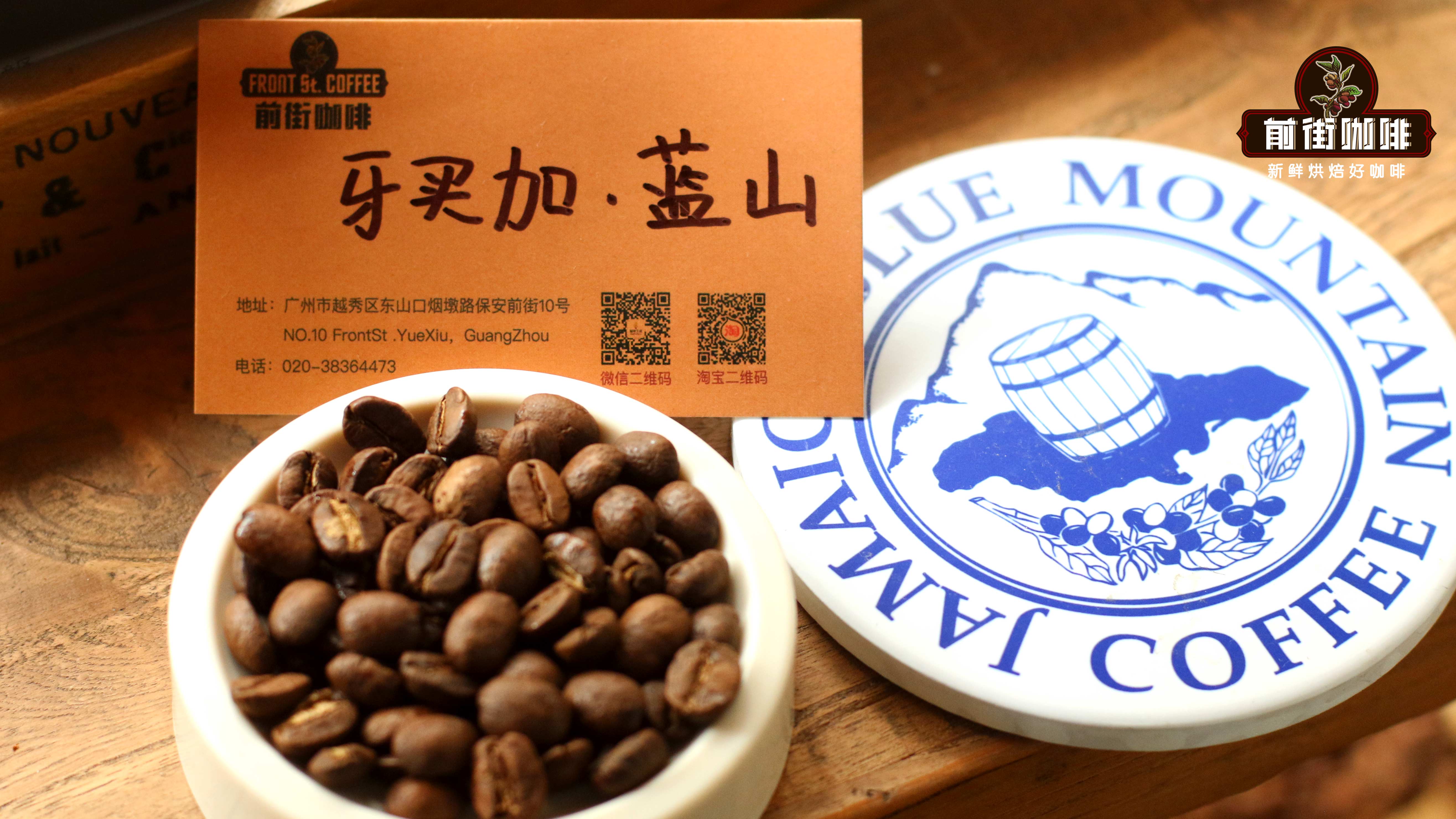
For preparation, you’ll need: a French press, a grinder, a gooseneck kettle, a thermometer, a scale, a timer, and freshly roasted coffee beans. The recommended grind size for the coffee is roughly similar to brown sugar—this is the ideal coarseness for a French press, helping avoid over-extraction while maintaining a full-bodied taste. The larger gaps in the metal filter mean that if the grind is too fine, fine particles can pass through the filter into the coffee liquid, negatively affecting the taste.
Here is the complete French press brewing procedure: First, weigh out 20 grams of freshly roasted coffee beans; next, set the water temperature between 85–95°C—slightly higher for light roasts to enhance aroma, and slightly lower for dark roasts to reduce bitterness, adjusting to personal preference. Place the ground coffee into the French press, then slowly pour in about 300 grams of hot water, preferably in a circular motion to ensure even saturation of all coffee grounds. Gently stir to fully saturate the coffee for blooming. Then, place the lid on the French press, but do not press down the filter yet—let it steep for about 4 minutes, which can be extended or shortened based on your taste. Finally, slowly and steadily press the filter down to the bottom, taking care not to press too hard or until it stops moving in order to prevent fine grounds from passing through the filter. When pouring the coffee, do so gently to avoid disturbing the settled grounds at the bottom, which could impact the flavor. The resulting Blue Mountain No. 1 will exhibit aromas of creamy chocolate, toffee, nuts, and caramel, along with a full-bodied mouthfeel and long-lasting sweet aftertaste.
The above content is compiled by CoffeeHunters, a coffee news website.


