







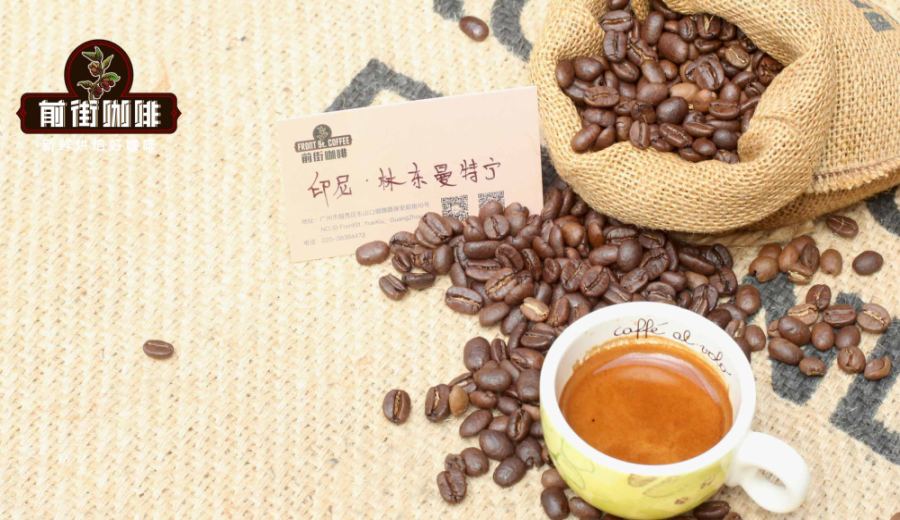
Introduction:Sumatra Mandheling is renowned for its intense spicy notes and full-bodied richness, qualities that stem largely from the region’s unique "wet hulling" processing method. This article delves into the complete steps—from depulping, fermentation, washing, to hulling and slow drying under high humidity—to explain how wet hulling shapes the coffee’s bold body while potentially affecting its aromatic profile. It also explores the selection criteria for Golden Mandheling, as well as how Sumatra’s volcanic and rainforest environment contributes to the coffee’s flavor, offering a comprehensive understanding of this classic brew.
In the specialty coffee world, Sumatra Mandheling is widely loved for its bold spicy character and wild, untamed flavors. These distinctive traits come not only from the local terroir and coffee varieties but also from a unique processing method—wet hulling. This article will detail each step of the process, from the initial handling of coffee cherries, fermentation, and washing, to hulling at high moisture content and slow drying, while analyzing how wet hulling influences the final flavor profile, including its heavy body and relatively subdued sweetness.
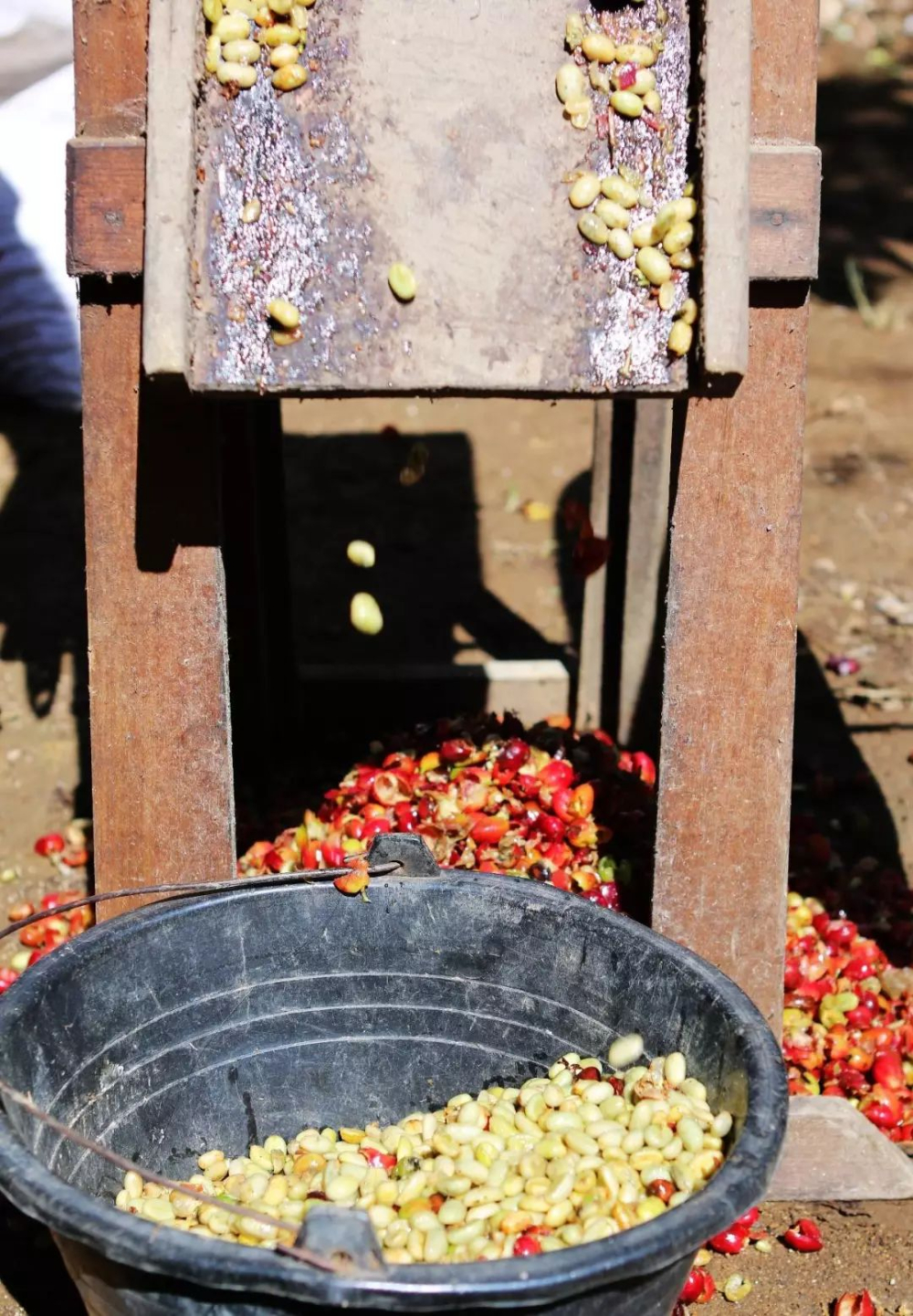
Located near the equator, Sumatra experiences perpetually humid air, causing coffee cherries to take roughly 40% longer to dry naturally compared to other regions. To adapt to this environment, local farmers developed wet hulling—a method that accelerates processing while imparting distinctive flavors. First, harvested coffee cherries are depulped by farmers using simple equipment, leaving behind parchment-covered coffee beans with their mucilage intact. These parchment beans are left to ferment overnight without washing, undergoing initial fermentation, then rinsed with clean water to remove residual fruit mucilage, resulting in what is called "parchment coffee."
Next, the parchment beans are only briefly sun-dried, maintaining a high moisture content of around 30% to 50%. At this stage, an Indonesia-specific hulling machine is used to remove the inner parchment layer and extract the green bean. Because the inner parchment is removed early, the beans dehydrate more quickly during subsequent drying, eventually reaching the export-standard moisture level of 12% to 13%. While this early hulling improves efficiency, it also makes the beans more prone to absorbing surrounding substances in the humid environment, resulting in a heavier mouthfeel and body. However, it may also slightly reduce aroma complexity and sweetness.
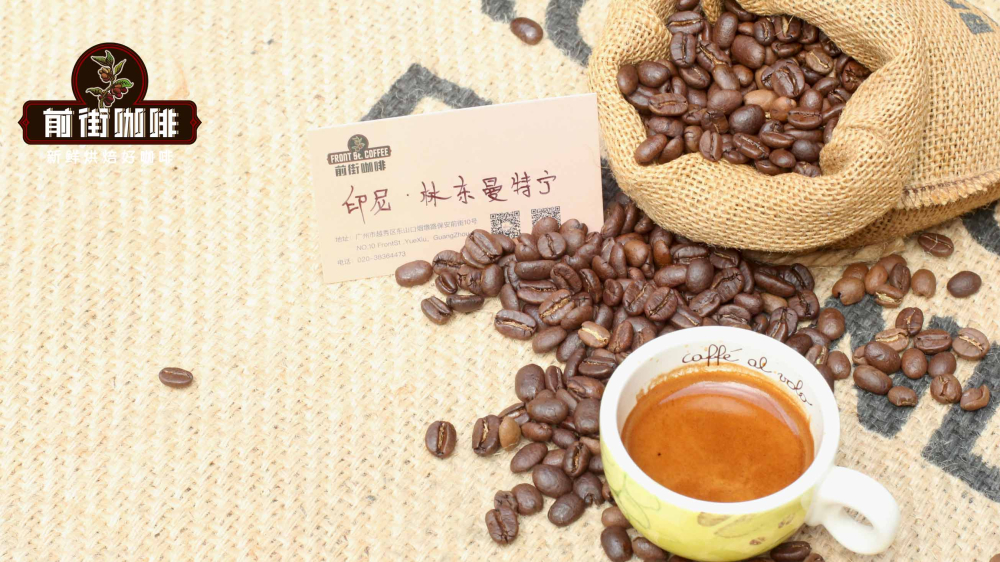
Many coffee enthusiasts are familiar with a well-known brand’s "Golden Mandheling," a classic Sumatran coffee celebrated for its outstanding aroma and rich body. Many assume the "golden" refers to the beans’ color, but in reality, this coffee is a premium-grade Mandheling carefully selected by Indonesia’s PWN company. It undergoes three rounds of manual sorting and one machine screening to ensure each green bean is at least 18 mesh in size, uniform, and free of major defects. After roasting, the beans exhibit a bright, glossy appearance, which is one reason for the "golden" moniker. Additionally, Medan—the transit hub for Sumatran coffee—has extremely humid conditions, with relative humidity often exceeding 80%. Over time, coffee beans stored for more than six months may develop a golden surface discoloration, a common visual trait of aged wet-hulled beans.
Sumatra is a long, narrow island featuring the Barisan Mountain Range stretching from northwest to southeast and lowlands in the east. With over ninety volcanoes and numerous volcanic lakes, the island’s soil is rich in mineral nutrients. Coupled with its year-round hot and rainy tropical rainforest climate, these conditions create an exceptionally suitable environment for coffee cultivation. Major producing areas such as Gayo in the north, Toba in the central region, and SP Bolon in the south each exhibit distinct flavor profiles. Local coffee farmers typically harvest only when the coffee cherries have fully ripened to a deep red. After picking in the morning, they immediately depulp and remove the fruit flesh, creating moist parchment beans and promptly removing any floating defective beans.
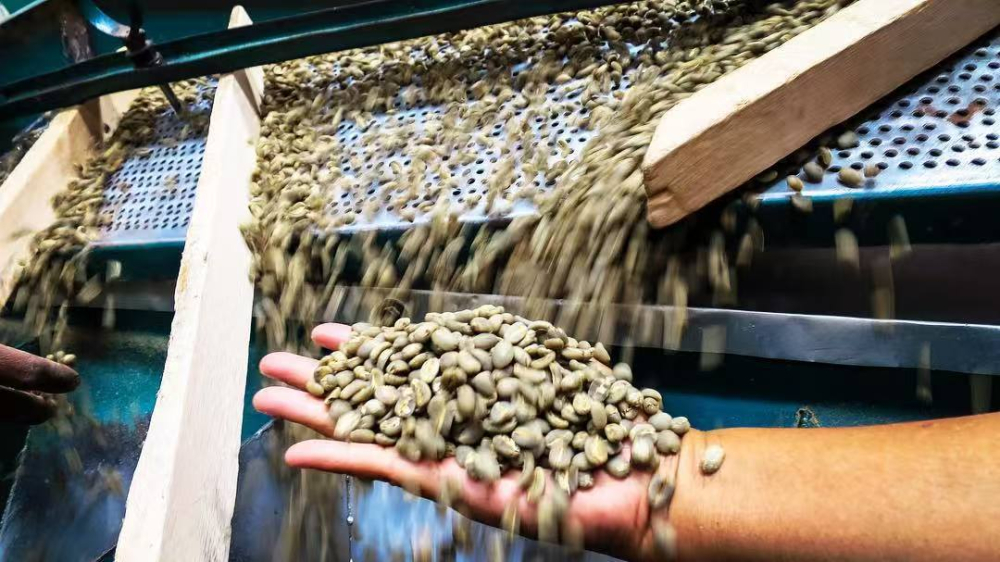
Next, the denser beans that sink to the bottom are placed in woven bags and undergo 12 to 36 hours of dry fermentation, enhancing flavor complexity through the transformation of sugars in the mucilage. After fermentation, the beans are sun-dried for one to two days to reduce moisture content to 35% to 40%, then transported to processing facilities for hulling. During hulling, a scraping machine removes the inner parchment, after which the beans are further dried until their moisture level reaches approximately 12% to 15%. The beans are then machine-sorted to remove impurities and graded by size, followed by manual inspection with two to three rounds of hand-picking to ensure high quality. Finally, the beans are packed in sacks for export.
However, wet hulling also comes with challenges and risks. During hulling, bean temperatures can rise to 30–60°C, and the removal of the parchment makes the inner bean more susceptible to humidity, potentially even triggering germination. Moreover, without the protection of the inner parchment, wet-hulled beans are more prone to mold during processing, resulting in a higher defect rate compared to washed or natural methods. This is why wet-hulled coffee, while delivering a heavy and bold body, may fall slightly short in aroma detail and sweetness. Nevertheless, this processing method remains key to the unique flavor of Sumatra Mandheling, securing its place in the global specialty coffee market.
The above content is compiled by CoffeeHunters, a coffee news website.


