








Introduction:Arabica coffee beans are the mainstream variety in the global specialty coffee market, accounting for about 70% of the total share, yet many people still lack a clear understanding of the differences among its various cultivars. This article will take an in-depth look at the major varieties within the Arabica family, including Typica, Bourbon, Caturra, and Catuai, analyzing their cultivation altitudes, plant characteristics, and typical flavor profiles. It will also briefly compare them with Robusta and Liberica, helping you build a comprehensive knowledge system of coffee varieties and choose the beans that best suit your taste.
Among the numerous coffee varieties, Arabica is the most popular and widely cultivated, making up approximately 70% of the world’s total coffee production. It is also the variety most commonly encountered by pour over coffee enthusiasts. However, Arabica is not a single variety but rather a large family that includes multiple cultivars such as Typica, Bourbon, Caturra, and Catuai—each an important branch of the family. These varieties exhibit distinctly different flavor characteristics due to differences in origin, altitude, and processing methods.
From a global perspective, Arabica coffee is typically grown at elevations above 800 meters, but those that truly showcase its delicate flavors are mostly cultivated in high-altitude regions above 1200 meters. Compared to other coffee varieties, Arabica yields less per unit area but has long been the preferred choice for specialty coffee thanks to its elegant acidity, complex aroma, and multi-layered flavor profile. This article will provide a systematic analysis of several representative Arabica varieties—from their origin, plant traits, regional characteristics, to flavor expressions—and include practical comparative information.
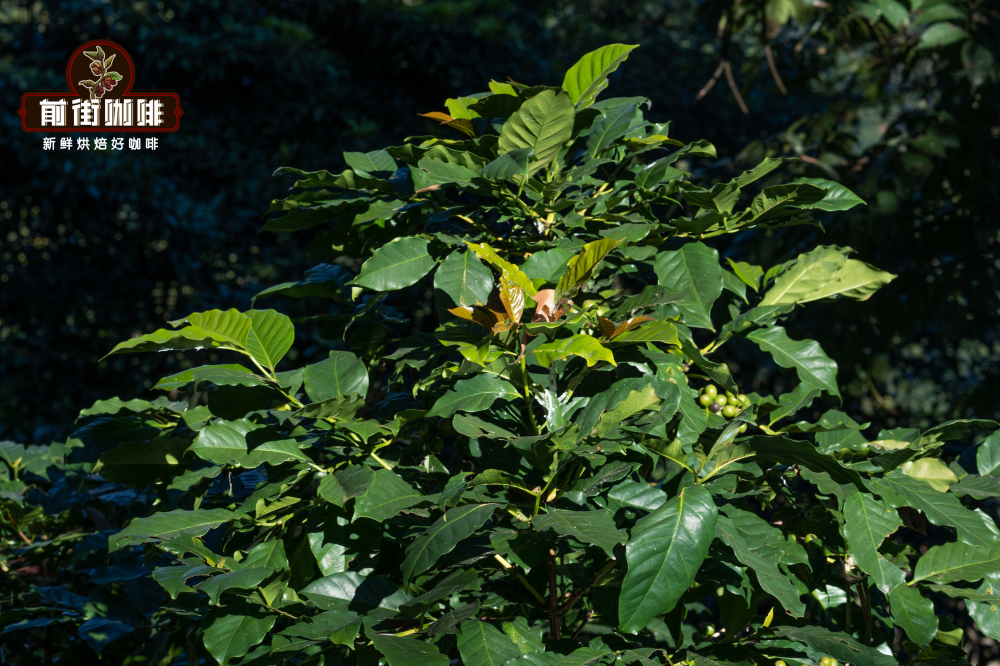
First, let’s talk about Typica—the most iconic and foundational variety within the Arabica family. Typica beans are slender and oval-shaped, with a sleek and plump appearance, serving as the base for many classic coffees around the world. Its flavor profile is often described as delicate, balanced, with gentle sweetness and soft acidity. However, it has relatively low yield and weak disease resistance, particularly susceptibility to leaf rust. Notably, the young leaves of Typica display a distinctive reddish-brown hue during early growth, earning it the nickname “copper-topped coffee.” To this day, Typica from regions like Blue Mountain and parts of Yunnan are still considered classic representatives of this cultivar.
Another variety closely related to Typica is Bourbon. Bourbon originally stemmed from a natural mutation of Typica, and its most common form is Red Bourbon—the cultivar whose cherries ripen to a wine-red color. Bourbon is generally well-suited to high-altitude environments, where it can accumulate richer aromatic compounds, resulting in bright acidity and layered complexity reminiscent of fine wine. In addition to Red Bourbon, there are also Yellow Bourbon and Pink Bourbon, which evolved through genetic mutations and are named after the colors of their cherries.
Yellow Bourbon was discovered in Brazil in the 1930s and is believed to have originated from a cross between Red Bourbon and a certain Typica variant that produced yellow fruit. While this variety offers good sweetness and a clean, nutty tone, its low yield and limited environmental adaptability have prevented it from being widely cultivated. However, in specific microclimates—such as the previously mentioned Fazenda Rainha in Brazil—Yellow Bourbon displays highly distinctive fruity aromas and a smooth sweetness.
Pink Bourbon is an even rarer variety, with its fruit color resulting from the expression of recessive genes that require specific pollen combinations to form. Initially planted in the Huila region of Colombia, it gained attention for its unique cup profile featuring citrus, berry, and even cherry tomato-like notes. This variety is now gradually gaining recognition in the specialty coffee market, with its unforgettable aromatic expression.
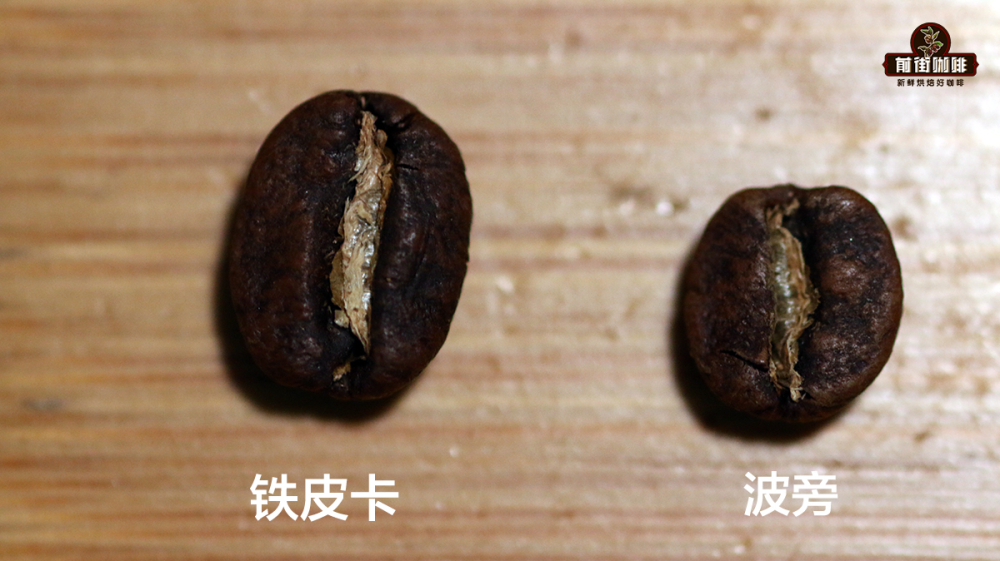
Beyond the traditional varieties mentioned above, modern coffee agriculture has developed more adaptable hybrids, such as Caturra. A natural mutation of Bourbon, Caturra features shorter plants that are easier to harvest and thrive without shade trees, hence it is often called “sun-grown coffee.” Widely planted in Colombia, Caturra is known for its smooth mouthfeel and bright berry acidity, contributing significantly to the region’s reputation as the land of “coffee gentlemen.”
Catuai is a hybrid of Caturra and Mundo Novo. It has a smaller plant size and stronger disease resistance while maintaining good acidity and high productivity. This variety is currently cultivated in producing regions such as Brazil, Costa Rica, and Honduras, and is a key choice for many commercial and specialty coffee farms. Some batches from Honduras’ Sweet Orange Estate and Panama’s Geisha Flower Butterfly are grown using the Catuai variety.

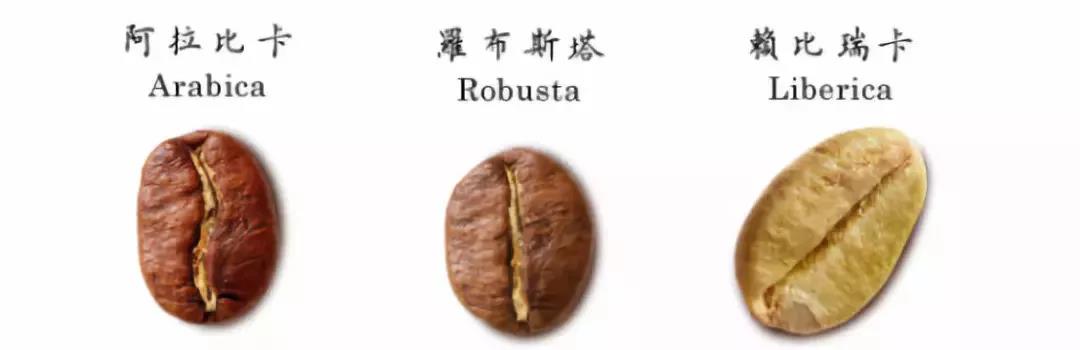
In contrast to Arabica, there is another major species—Robusta. Robusta boasts extremely strong adaptability, thriving in low-altitude and hot environments, and is thus widely grown in countries such as Vietnam, India, and Brazil. However, its aroma is usually more subdued and often accompanied by earthy or woody off-notes, making it less suitable for high-end specialty coffee. Nevertheless, its high caffeine content and bold flavor make it a key ingredient in instant coffee and espresso blends. It’s worth noting that some high-quality Robustas, such as India’s Royal grade products, can also deliver clean and full-bodied flavors, challenging the common stereotypes about Robusta.
As for Liberica, it is the rarest of the three major coffee species. Its beans are large and are referred to as “big-bean coffee,” but its flavor profile is generally weaker, and its disease resistance is not outstanding. Today, it is preserved only in small quantities by research institutions and is rarely found on the market.
In summary, the Arabica coffee bean family offers a rich and diverse range of cultivars, each with its own unique plant traits, ideal growing altitudes, and flavor profiles. Whether you’re a beginner pour over enthusiast or an advanced coffee connoisseur, understanding the background and characteristics of these varieties can help you choose and appreciate the perfect cup of coffee tailored to your preferences.
The above content is compiled by CoffeeHunters, a coffee news website.


