








Introduction:Costa Rican honey-processed coffee is renowned for its distinctive sweetness and delicate flavors, making it a popular choice for both newcomers and seasoned coffee enthusiasts looking to explore further. This article delves into the origins, classifications, and production process of the honey processing method, offering a detailed comparison between yellow honey, red honey, and black honey. It also introduces two popular beans from the Musician Series — Mozart and Bach — covering their origin background, processing characteristics, and pour over brewing recommendations to help you master comprehensive knowledge from bean selection to brewing.
The honey processing method is a coffee processing technique gradually developed by Costa Rican coffee farmers in response to the challenges of rugged terrain and limited sales channels. This method lies between traditional washed and natural processing, and it gets its name because during drying, the sticky mucilage layer becomes as viscous as honey. It not only retains some of the natural sweetness brought by the mucilage but also reduces the risks of over-fermentation or mold.

Costa Rica is considered the birthplace of the honey processing method, with mature and diverse techniques. In addition to the traditional yellow honey, red honey, and black honey, innovations such as raisin honey processing and anaerobic honey processing have also emerged. These methods impart rich fruity notes and full-bodied mouthfeel to the coffee beans, earning widespread acclaim in the global specialty coffee market.
So, what exactly is honey processing? Simply put, it involves removing the outer skin and pulp of the coffee cherry while retaining the parchment layer and the sticky mucilage, followed by drying. This differs from both the washed method, where all mucilage is removed, and the natural method, where the whole fruit is dried directly in the sun. Many people mistakenly believe that honey processing gives the coffee a honey flavor, but the sweetness actually comes from the natural sugars in the mucilage, not from added honey.
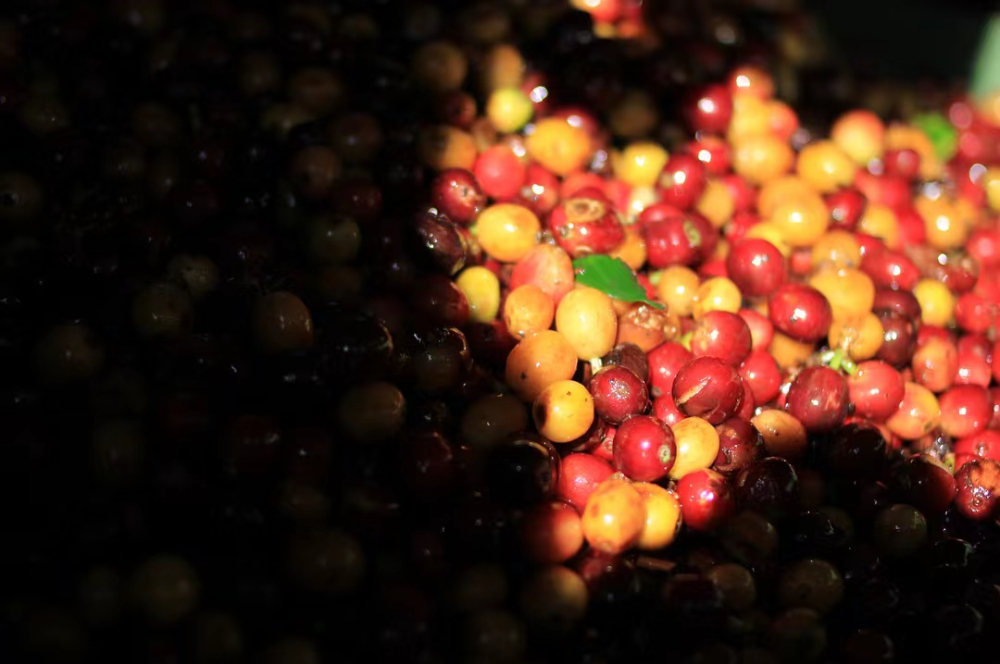
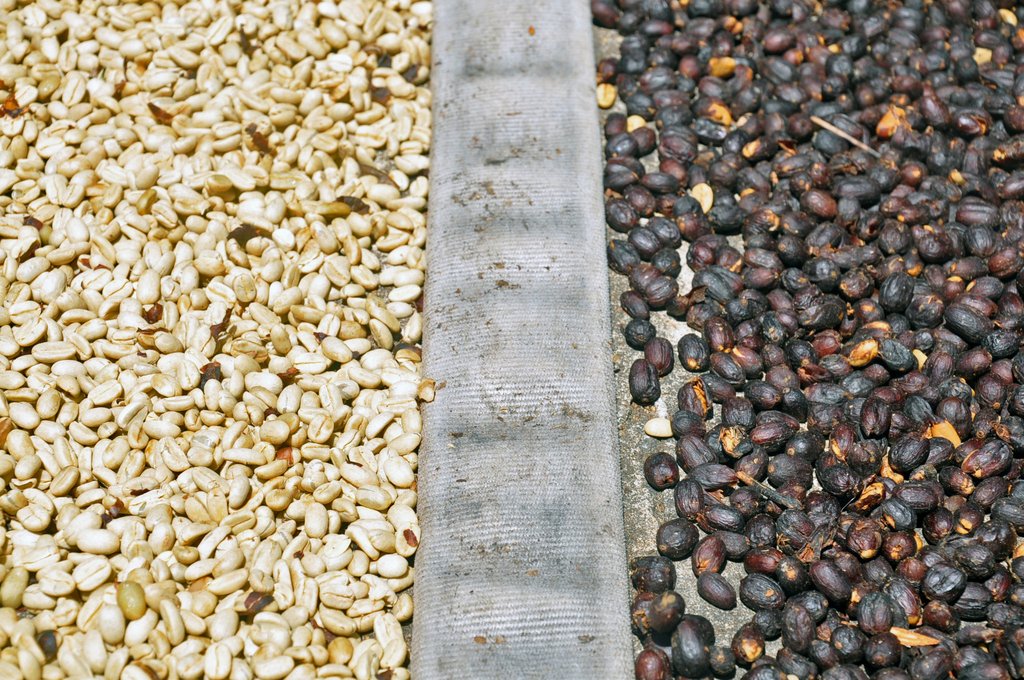
A complete honey processing workflow typically includes the following steps: First, harvested coffee cherries are placed in water to remove floaters and defective beans, ensuring only healthy coffee cherries move on to the next stage. Then, the sorted cherries are spread on raised beds to dry for about three days until their moisture content drops to around 20%. Next, a pulper is used to remove the outer flesh and skin while retaining the sugar-rich mucilage. Finally, the mucilage-covered beans are dried further until the overall moisture content reaches 11%, at which point they can be stored.
Depending on how much mucilage is retained, honey processing is categorized into three types: yellow honey, red honey, and black honey. Yellow honey typically removes about 40% of the mucilage, with a drying time of around 8 days, and is exposed to more sunlight, requiring hourly turning to prevent overheating or uneven fermentation. Red honey retains about 75% of the mucilage (removing about 25%), with a longer drying period of about 12 days, sometimes using shaded drying beds and controlled turning frequency. Black honey retains nearly 100% of the mucilage, almost none is removed, and has the longest drying time, often exceeding 14 days. During this time, it is covered to slow down drying, ensuring sugars fully convert and resulting in a richer, more complex flavor profile.
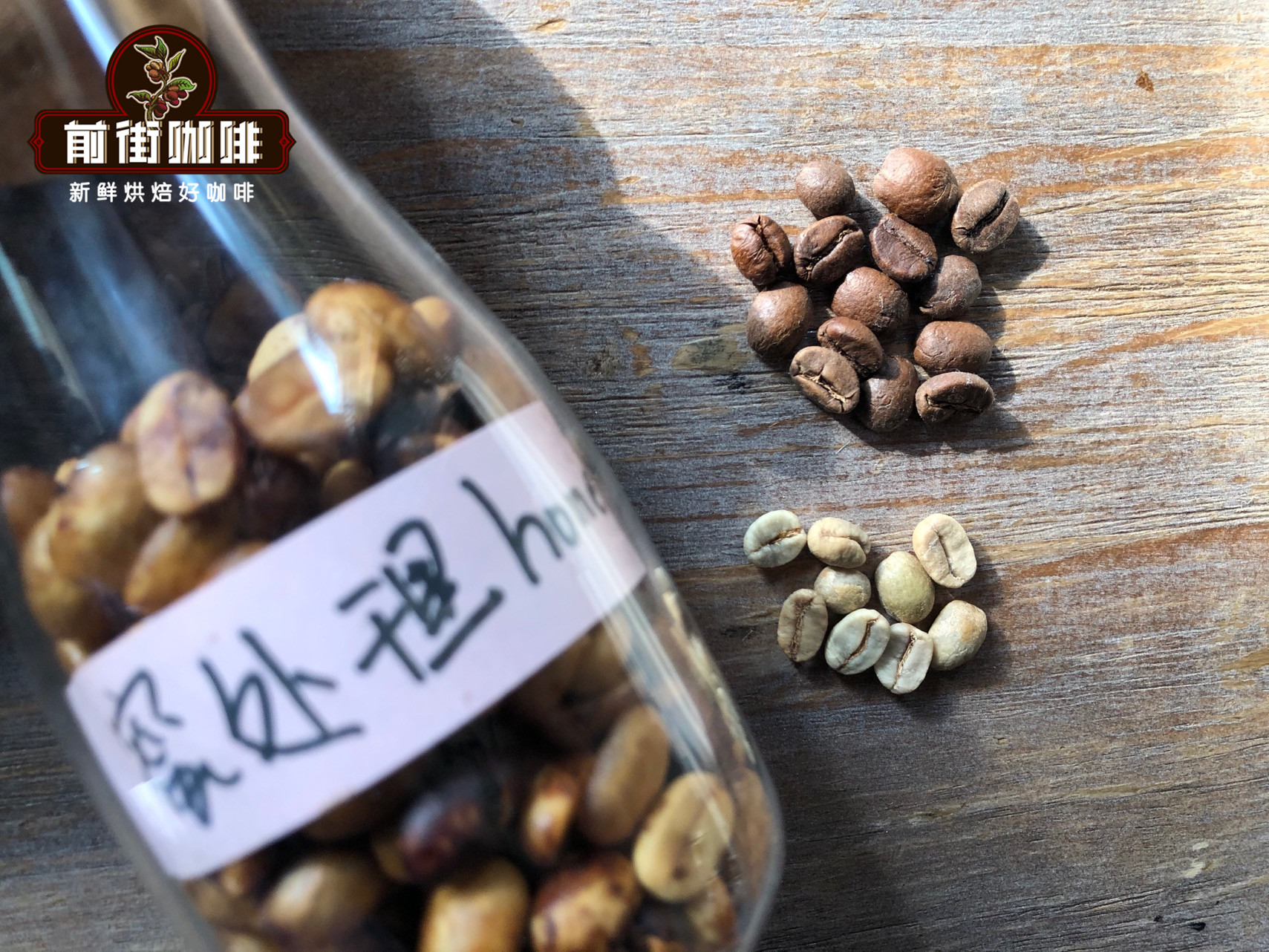
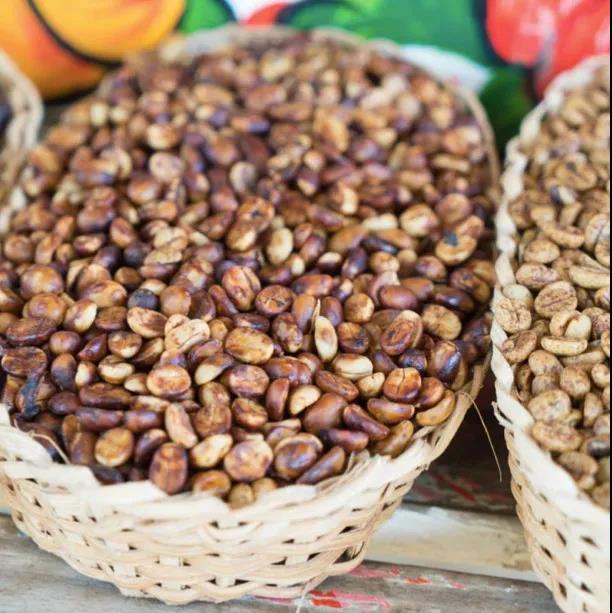
The advantages of the honey processing method include effectively reducing the risk of mold while saving significant amounts of water, making it more environmentally friendly and cost-efficient compared to traditional washed processing. However, its disadvantages lie in the complexity of the process, requiring strict control over drying conditions and timing, thus demanding higher technical skills and labor input.
In terms of flavor, honey-processed coffee generally exhibits higher sweetness, relatively softer acidity, and delicate, layered aromas. However, if not processed properly, it may also develop unpleasant vinegary notes, onion-like pungency, or earthy flavors, negatively impacting the overall drinking experience. Therefore, honey processing demands relatively high technical skill and experience from producers.
Yellow honey, red honey, and black honey not only differ significantly in drying time and management difficulty, but also each have unique flavor directions. Generally, yellow honey offers a brighter, more refreshing flavor profile, suitable for those who enjoy fruity notes and light sweetness. Red honey strikes a balance between sweetness and acidity, delivering a rounder mouthfeel. Black honey, which retains the most mucilage, usually showcases the most intense sweetness, deep wine-like notes, and complex fruit character, making it a must-try for advanced coffee lovers.
Among the many honey-processed coffees in Costa Rica, the Musician Series stands out for its unique naming and flavor profiles. Among them, the Mozart coffee beans come from the Canet Estate at an altitude of 1800 meters in the Tarrazú region, with the H1 variety, and are processed using the raisin honey method. The flavor profile of these beans includes raisin-like acidity, berry aromas, elegant floral notes, and fermented wine tones. Upon tasting, one can perceive layers of dark berries, raisins, and subtle red berries, with a mid-to-late presence of plum acidity and a gummy bear-like sweetness, delivering an overall luxurious and dynamic cup.
The Bach coffee beans also come from the Tarrazú region, at an even higher altitude of 1950 meters, using the same H1 variety and raisin honey processing. Its dry aroma features fruity notes of strawberry, blackberry, and raisins, and after brewing, it reveals intense fruit aromas with a balanced sweet-and-acid profile. The mid-to-late stages subtly express wine-like notes, reminiscent of fine red wine. As it cools, it emits candied fruit sweetness and a lingering plum wine finish, with an overall flavor as refined and layered as Bach’s music.

To brew these two honey-processed coffees at home and achieve their excellent flavors, you can follow these pour over recommendations: Use a Hario V60 #01 filter, with about 15 grams of coffee, a 1:15 coffee-to-water ratio, water temperature controlled at 90°C, and a medium-fine grind (approximately 81% passing through a Chinese standard No. 20 sieve). Use a pulse pouring method: start with a 30-second bloom using 30 grams of water to allow the coffee grounds to fully expand. Then, pour with a steady medium-fine stream in circular motions, reaching a total of 125 grams of water by 55 seconds. Wait until the water level drops to about two-thirds of the coffee bed, then continue pouring the remaining water, aiming for a total brew time of about 1 minute and 55 seconds.
The Bach coffee beans exhibit grape-like sweet-and-acid notes and wine tones at high temperatures, and as they cool, reveal red berry juice flavors and rose floral notes, with a caramel-like sweetness in the aftertaste. The Mozart coffee beans focus on berry and fermented aromas, offering flavors of raisins and sweet orange upon entry. As the temperature changes, wine and osmanthus notes gradually emerge.
In summary, Costa Rican honey-processed coffee not only showcases the wisdom and innovation of farmers in processing techniques but also provides coffee lovers with a diverse range of flavor experiences. From the freshness of yellow honey, the balance of red honey, to the richness of black honey, each processing method has its own unique charm, well worth savoring and exploring.

The above content is compiled by CoffeeHunters, a coffee news website.


