







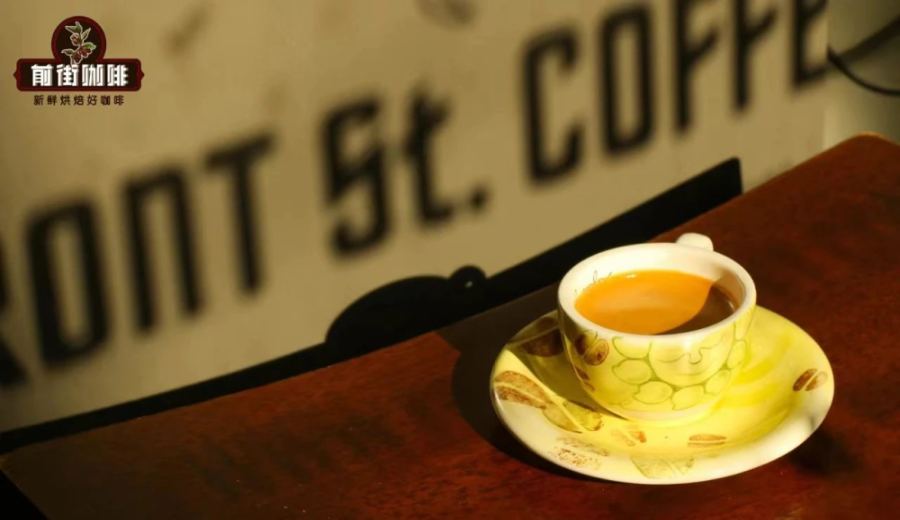
Introduction:To brew a rich and aromatic espresso, the key lies not in technique but in choosing the right coffee beans. This article delves into the selection logic, roasting craftsmanship, and flavor characteristics of Italian-style blends, and recommends four practical blends suitable for different scenarios — including a classic formula ideal for latte art, high-oil options for commercial use, and a high-value entry-level choice — to help you find the one that suits you best.
The soul of an espresso lies within those roughly 30 milliliters. Many assume that brewing a great shot depends on the barista’s skills or environmental conditions, but in reality, choosing the right blend is what truly makes the difference. The market is flooded with espresso beans, but how can you pick the one that’s genuinely suited for high-pressure, high-temperature extraction? This article will break down selection strategies, roasting techniques, and actual taste profiles, while recommending four practical blends tailored for those seeking nutty notes, commercial performance, everyday drinking, or beginners practicing latte art.
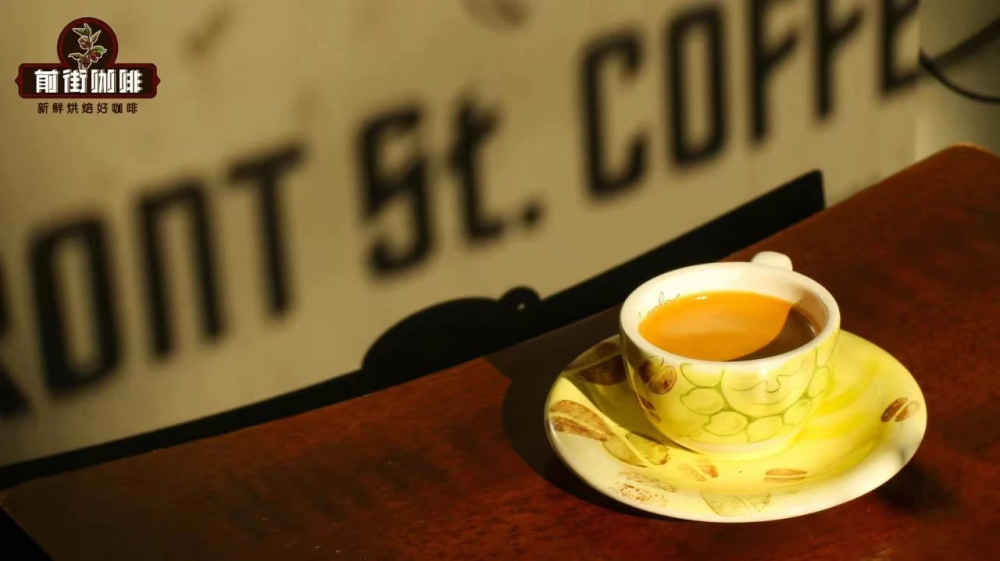
Italy doesn’t grow coffee itself, but local roasters excel at blending green beans from around the world in different proportions to create unique Italian-style blends. These blends are finely ground and extracted under high pressure and temperature, ultimately forming the foundation of espresso. By adding steamed milk to this concentrated liquid, you can create classic Italian drinks like cappuccino or latte.
Many consumers wonder why professional cafés can consistently deliver espresso with stable flavors. In truth, it’s not about how skilled the barista is or how precisely the environment is controlled, but rather the choice of the right coffee beans.
There are many coffee beans on the market labeled as “espresso,” yet their actual performance often falls short of expectations. Therefore, understanding how to select the right blend becomes crucial.
When choosing espresso beans, the first step is to understand how they differ from pour over single-origin beans. Espresso machines extract using high pressure and temperature, so specially formulated blends are required to ensure stable flavor and to deliver rich layers through crema. Additionally, blending beans from different regions not only enhances flavor complexity but also helps control costs, allowing consumers to enjoy high-quality coffee at more reasonable prices.
Roasting is one of the most critical factors influencing the flavor of espresso. The roasting process is almost magical — transforming green beans into dark brown, aromatic ones. The degree of roast directly determines the final expression of the coffee. Many Italian-style blends use dark roasts, leveraging the first and second cracks and other roast parameters to allow moisture to release naturally, thus preserving core aromas, while also using one-way valve packaging to slow aroma loss.
Dark-roasted Italian-style blends typically exhibit richer layers and a fuller body. They have relatively lower acidity but more pronounced richness and flavor intensity, especially with outstanding caramel and nutty notes, along with more abundant crema. Under high-temperature extraction, these beans often present low acidity, high sweetness, and low bitterness, with caramel sweetness as the main theme, complemented by nutty and chocolatey tones. If extracted at lower temperatures, they may reveal medium sweetness and acidity, showcasing delicate floral and citrus notes, with a smooth mouthfeel and long-lasting viscosity.
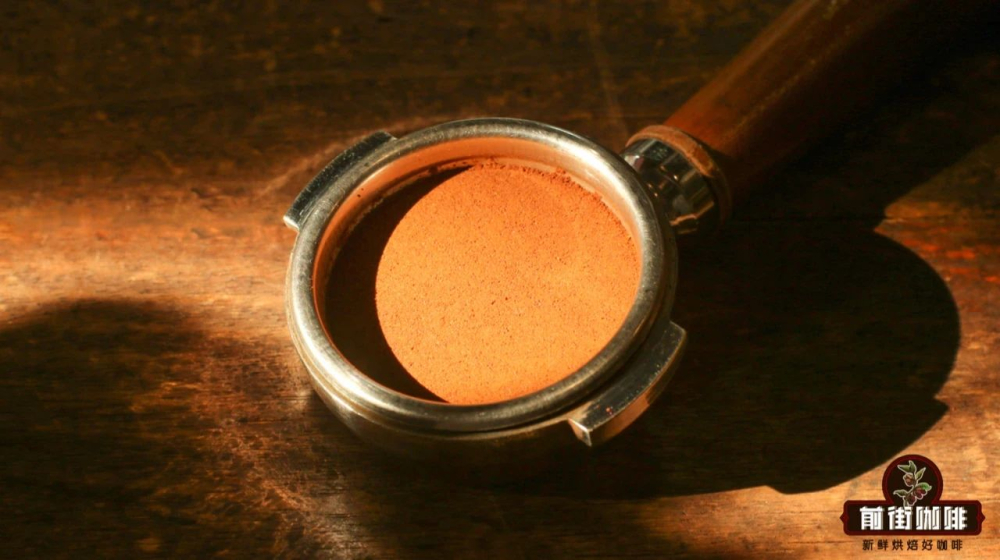
Below are four practical blends, each suited for different usage scenarios and needs:
If you prefer intense nutty flavors, a specialty blend is your ideal choice. Composed of Colombian washed beans and Brazilian semi-washed beans, this blend offers distinct notes of nuts, dark chocolate, and caramel — perfect for coffee lovers who enjoy a bold and rich cup.
For readers planning to open a café, consider a commercial-grade blend. Built upon the specialty blend, this version includes a small amount of Robusta beans to enhance the texture and richness of the crema. Whether making Americano, latte, or mocha, it delivers balanced flavors of nuts, cocoa, and caramel, while also making latte art smoother.
If you’re on a budget but don’t want to compromise on taste, the Dark Cocoa Base Blend is a high-value, everyday option. Blended from Yunnan small-bean varieties and Brazilian Red Bourbon, it offers a mild nuttiness and subtle acidity from ripe plums, with a captivating aroma of creamy chocolate upon grinding. When paired with milk for latte art, it feels soft and delicate, suitable for various espresso-based drinks.
Finally, for beginners just starting to practice latte art, the Classic Blend is an excellent entry-level option. Inspired by the classic “Mamba Coffee,” this blend combines Indonesian Mandheling and Brazilian espresso beans, offering the bold aroma of Mandheling alongside the smooth profile of Brazilian beans. The recipe also includes Robusta to further boost crema, giving the espresso a fuller body — making it perfect for making lattes at home and honing your latte art skills.
The above content is compiled by CoffeeHunters, a coffee news website.


