







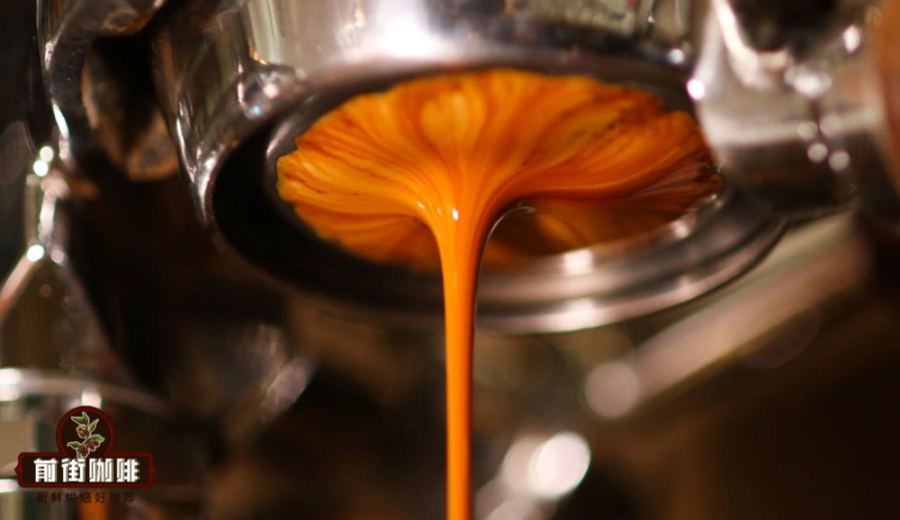
Introduction:To extend the lifespan of your semi-automatic espresso machine and ensure every cup of coffee delivers exceptional flavor, proper cleaning and maintenance are absolutely essential. This article delves into the key steps of daily upkeep, including how to determine descaling intervals, recommendations for using white vinegar or professional descaling agents, techniques for cleaning the steam wand and group head, as well as maintenance tips for the drain tray and machine body. Additionally, considering the pressurized extraction characteristics, we also recommend several medium-to-dark roasted espresso beans that strike a balance between machine care and coffee flavor.
As coffee culture becomes more widespread, an increasing number of households are choosing to add a semi-automatic espresso machine at home to enjoy a professional-level coffee experience. However, many users often overlook the cleaning and maintenance of the machine, which can affect both coffee taste and equipment longevity. In fact, regular and proper cleaning not only maintains the pure flavor of each cup of coffee but can also effectively extend the service life of the espresso machine.
For the daily maintenance of a semi-automatic espresso machine, we’ve compiled six key points — from descaling frequency and choice of cleaning products, to handling clogged steam nozzles and the cleaning process for each component — to help you fully master the essentials of maintenance.
First, it’s recommended to perform a full cleaning approximately once a month. If you make coffee multiple times a day, you may shorten this to every two to three weeks. To determine whether a deep clean is needed, look out for a noticeable drop in steam pressure or if the color of the extracted water becomes cloudy — these are signs that cleaning is required.
When choosing cleaning products,professional espresso machine descaling agents are the first choice,as these products feature gentle formulations designed specifically for machine materials. They not only clean effectively but also minimize the risk of damaging internal components. However, if you don’t have a descaling agent on hand, you can also use a homemade alternative: mix one part white vinegar with six parts water to create a descaling solution. Alternatively, citric acid is also a good option, though it tends to be more expensive.
No matter which cleaning method you use, be sure to rinse thoroughly with water multiple times until the water runs clear and odorless, to prevent any cleaning residue from affecting the flavor of your coffee.
In addition to internal descaling, cleaning the various components during daily use is extremely important.Steam WandAfter each use, immediately wipe it down with a clean cloth, then open the steam valve to release steam for about two seconds. This helps remove any residual milk residue inside the tube, preventing blockages and odors.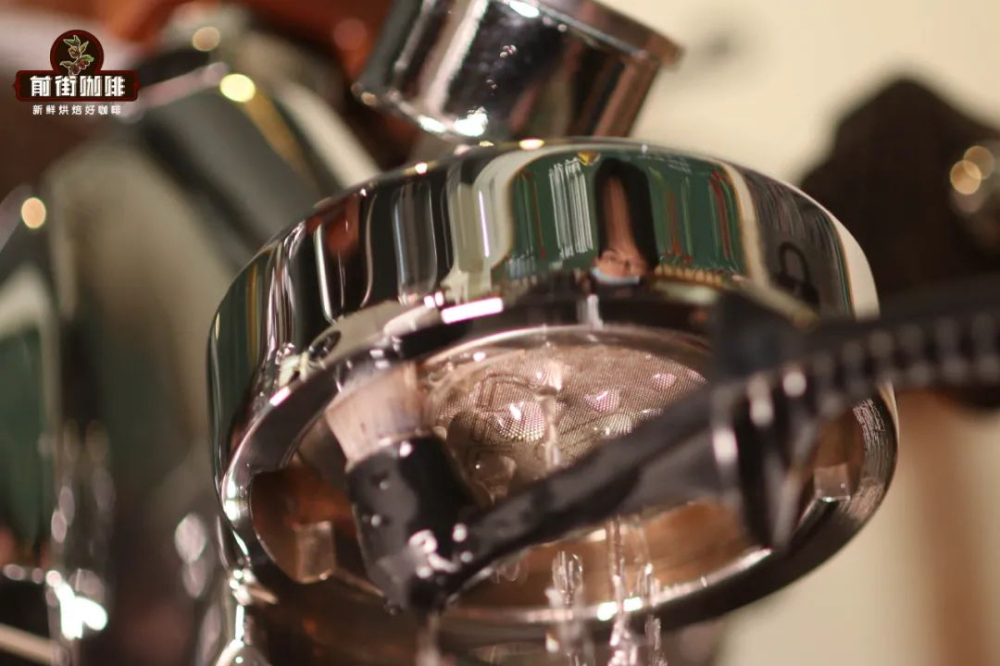
As forthe group head,after each extraction, you should first remove the coffee handle, discard the spent coffee grounds, and open the flush switch to rinse away any remaining coffee oils and sediment with water. If you notice stubborn stains on the group head, repeat the rinsing process several times to ensure it’s clean. The coffee handle should also be cleaned regularly to maintain hygiene.
The drain trayshould be regularly checked and cleaned. It’s recommended to remove the drain tray and rinse off sediment with hot water, then soak it for about five minutes for disinfection. If you find water pooling under the espresso machine, it may be due to a blocked drain tray caused by foreign objects, which should be cleaned immediately.
For cleaning the exterior of the machine body, use a slightly damp soft cloth. For stubborn stains, you can use a dedicated espresso machine cleaner, but be careful to avoid letting moisture seep inside the machine to prevent damage to the electrical components.
In addition, since semi-automatic espresso machines operate on a pressurized extraction system, selecting the right coffee beans also has a direct impact on machine performance and coffee flavor. It’s recommended to prioritize medium-to-dark roasted espresso blends, which help stabilize extraction and promote crema development.
If you prefer a bold and rich flavor, you can opt for classic or commercial blends that contain a small amount of Robusta. These beans, medium-to-dark roasted, offer aromas of butter, caramel, and toasted bread, with fine crema and stable extraction — making them perfect for everyday home use. If you’re looking for coffee with bright acidity and sweetness, consider trying “Strawberry Sugar Espresso.” This bean is based on honey-processed Costa Rican Tarrazú and Ethiopian beans, blended with Colombian beans. Its flavor is smooth, featuring sweet-and-sour layers reminiscent of strawberry taffy — ideal for those who value fruity profiles.
The above content is compiled by CoffeeHunters, a coffee news website.


