







Introduction:To enjoy a smooth and non-bitter cup of coffee, choosing the right roast level and brewing method is key. This article delves into how pour over and espresso extraction methods affect flavor, explains the characteristics of light to medium roasted beans, and recommends suitable beans for different brewing tools to help you find your ideal coffee flavor.
To brew a cup of coffee that’s not bitter and has a smooth taste, it’s essential to first understand the relationship between extraction principles and roast depth. The soluble components in coffee are released with hot water—generally, fruit acids and aromas are the first to dissolve, followed by sweetness, while bitterness is usually the last to be extracted. Therefore, selecting the appropriate roast level and brewing method can effectively avoid bitterness and highlight the layers and flavors of the coffee.
Coffee beans can generally be divided into three main roast categories: light roast, medium roast, and dark roast, each significantly impacting the flavor profile.Light Roast BeansBecause they retain more chlorogenic acids and smaller molecular compounds, with fewer caramelization reactions, they have lower bitterness and are better suited to showcasing bright notes such as floral, citrus, and berry, making them an ideal choice for pour over beginners.
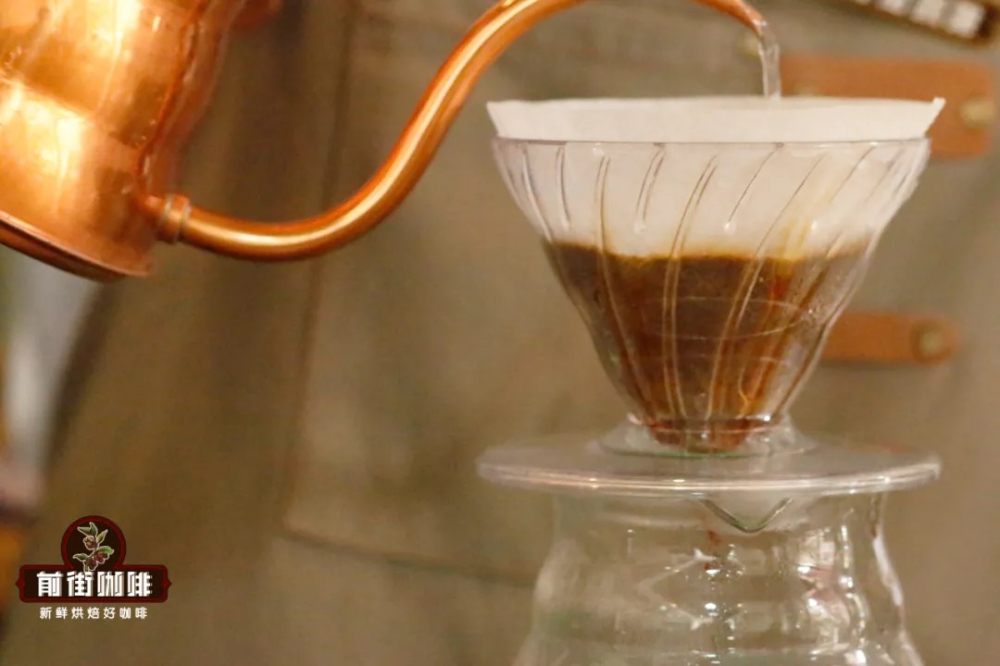
For those just starting with pour over, it is recommended to prioritizelight to medium roastedbeans. Coffee in this range typically has bright acidity, a refreshing mouthfeel, and is less prone to over-extraction bitterness. For example, some Yirgacheffe-type beans from high-altitude regions often exhibit charming notes of citrus, green tea, and flowers, with a delicate aftertaste that’s perfect for experiencing the nuanced changes of pour over.
Among them, a medium-light roasted Yirgacheffe-flavored bean often carries bright citrus and jasmine aromas, with a clean and refreshing taste that’s easy on the palate, suitable for drinkers who enjoy a balanced sweet and acidic profile. Additionally, if you prefer a coffee with more pulpy fruit texture, you might opt for natural sun-dried beans that have undergone extended fermentation with fruit pulp. These beans often have intense berry and black tea aromas, with a fuller mouthfeel, perfect for coffee lovers who enjoy bold and rich flavors.
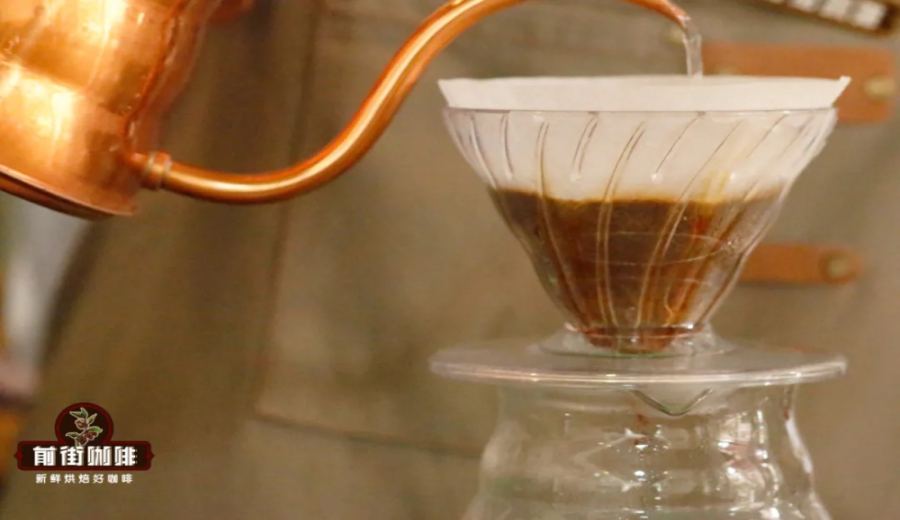
Speaking of pour over, it’s the preferred brewing method for many coffee beginners. Its basic principle is to extract the soluble flavor compounds from coffee grounds into liquid using hot water. During extraction, volatile fruit acids and aromas are released first, followed by sweetness, and then bitterness. Therefore, if the extraction time is too long or the water temperature is too high, it can easily over-extract bitter compounds, resulting in a bitter and unpleasant cup.
If your daily brewing method involves a home espresso machine, then your bean selection strategy will differ. Since espresso machines use high-pressure extraction, they amplify all characteristics of the coffee—including both good and bad flavors. Therefore, using beans that are too light or too dark in roast can easily magnify their flaws, leading to poor taste or noticeable bitterness.
It is recommended that users of espresso machines choosemedium roastedespresso-specific beans. These beans achieve moderate caramelization during roasting, providing good sweetness and a balanced acidity without producing excessive bitterness due to high-pressure extraction. In addition, their moderate crema performance results in a smoother and richer espresso mouthfeel.

For example, some Central American beans processed using the honey method, blended with Ethiopian and South American varieties, can produce an espresso with sweet and sour notes reminiscent of strawberry taffy after extraction. The crema is dense and delicate, yielding a smooth and layered taste. These beans are not only suitable for solo drinking but also work excellently as a base for milk-based coffees like lattes, complementing the milk’s richness without being overshadowed.
In summary, to enjoy a non-bitter cup of coffee, the key lies in choosing the appropriate roast level and bean variety based on your brewing method. For pour over, start with light to medium roasted beans, focusing on a balance of acidity and fruity notes; for espresso, opt for medium roasted specialty blend beans to achieve stable and layered results. By mastering these basic principles, you can effortlessly enjoy your ideal coffee experience.
The above content is compiled by CoffeeHunters, a coffee news website.


