







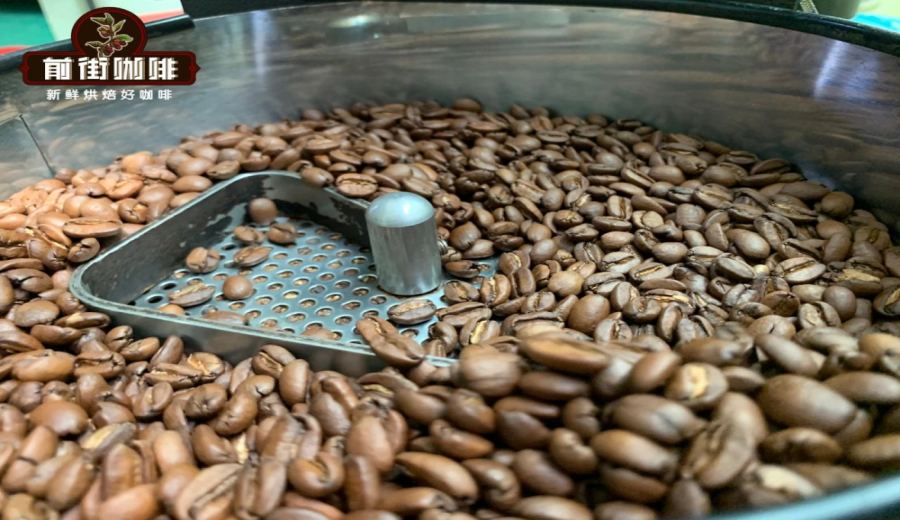
Introduction:Coffee lovers who enjoy bold, rich flavors with low acidity often gravitate toward dark roasted coffee beans. The duration of roasting directly impacts a coffee’s acidity, bitterness, and aroma—longer roasting times reduce acidity while enhancing bitterness and caramelized notes. This article explores the flavor profiles of dark roasted beans from both pour over and espresso brewing perspectives, recommends several outstanding dark roast options suited to different brewing methods, and shares selection tips to help you find the dark roast coffee that best matches your taste.
In the world of coffee, roast level is one of the key factors that determines flavor. Especially with dark roasts, their intense, low-acid profile filled with caramel and roasty aromas is favored by many coffee enthusiasts. How should you choose a dark roast coffee bean that suits you? This article will focus on two common brewing methods—pour over and espresso—and recommend several high-performing dark roast beans, analyzing their differences in flavor, crema, and ideal usage scenarios.
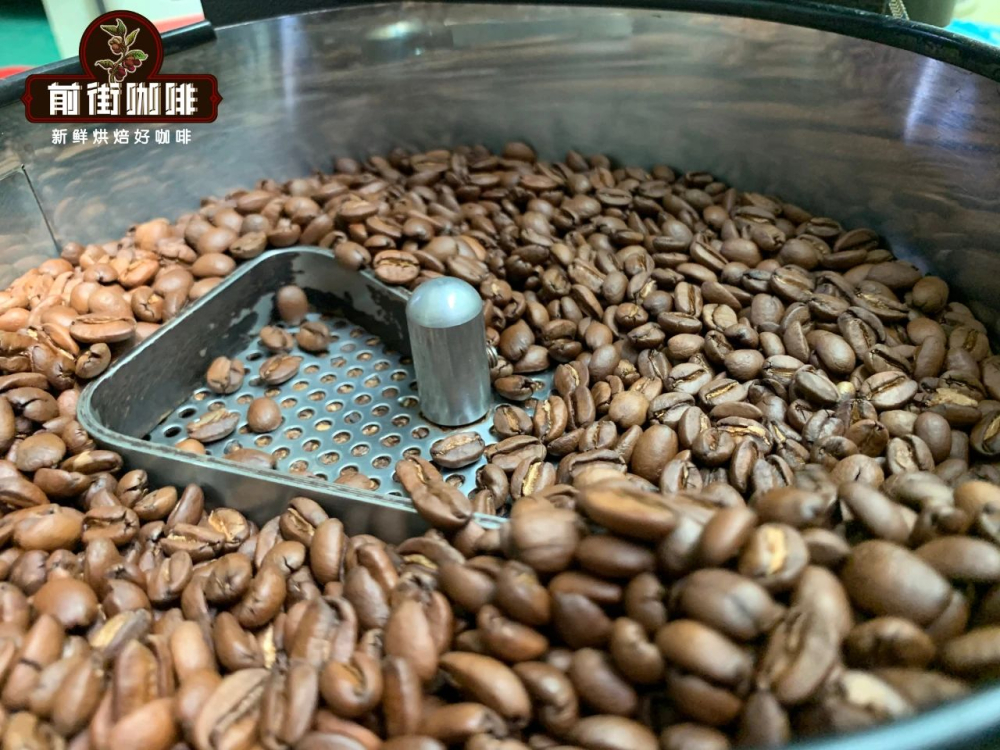
During the roasting process, coffee beans undergo two major chemical reactions: the Maillard reaction and caramelization. These reactions not only influence the color of the coffee but also directly shape its final flavor profile. Generally speaking, acidity, sweetness, and bitterness are the three core indicators for evaluating dark roast coffee. As the roasting time increases, acidity gradually diminishes, giving way to a fuller body, more pronounced bitterness, and a wealth of caramel, nut, and chocolate-like aromas. Therefore, if you prefer a rich and smooth drink without sharp acidic notes, dark roast coffee is often the better choice.
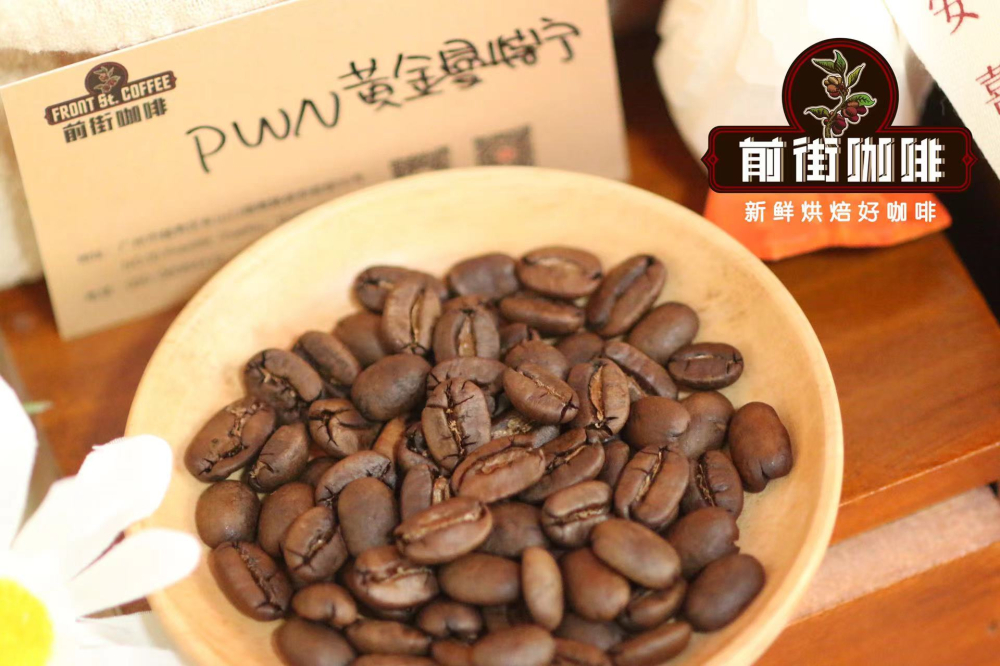
For consumers who enjoy dark roast coffee through pour over brewing, the PWN Golden Mandheling launched by a well-known brand is a classic not to be missed. Sourced from a renowned Asian producing region, the green beans undergo three rounds of manual sorting and one machine sorting before roasting, ensuring uniform bean size, plump appearance, and freedom from defects. After medium-dark roasting, this coffee reveals a complex aroma of spices, dark chocolate, cedar, and caramel. It has a full-bodied, rich mouthfeel with a pleasant oily texture, making it especially suitable for those who dislike sour or astringent flavors.
If you’re accustomed to using an espresso machine, then the Black Cocoa Base Blend and Classic Blend—both medium-dark to dark roasted espresso beans from a certain brand—are worthwhile options. Both blends deliver excellent crema (coffee foam). When used to make Americano, they present a sweet and smooth profile with a soft, layered taste; when used for milk-based drinks like lattes, they release a rich, velvety mouthfeel with a long finish, balancing milk and coffee flavors harmoniously. Whether for home enjoyment or café service, these two blends meet the needs of various scenarios.
When selecting dark roast coffee beans, in addition to paying attention to roast level, it’s also important to consider basic information such as origin, processing method, and bean variety—all of which can influence the final flavor. Moreover, different brewing methods have specific requirements for grind size, water temperature, and extraction time. For example, pour over generally calls for a medium-fine grind with water temperature controlled between 90–93°C, while espresso requires a finer grind to accommodate high-pressure extraction. Mastering these basic parameters will help you better highlight the unique charm of dark roast beans.
In summary, the appeal of dark roast coffee beans lies in their bold, low-acid, and multi-layered flavor profiles. From pour over to espresso, different brewing methods each have their own compatible beans and techniques. By understanding the principles of roasting and the components of flavor, combined with your personal taste preferences, you’ll be able to more accurately select the dark roast coffee that’s perfect for you and enjoy every cup of rich, captivating black coffee.
The above content is compiled by CoffeeHunters, a coffee news website.


