








Introduction:Did you know that Spain also has a coffee that uses sweetened condensed milk? This article takes an in-depth look at Café Bombón from Valencia, Spain, as well as the sweetened condensed milk latte, often mistakenly called the “Spanish latte.” We’ll explain the ratio of ingredients, the visual layering effect, and their unique flavors, while also tracing the background of sweetened condensed milk use in Vietnamese drip coffee. From the basic 1:1 ratio of espresso to sweetened condensed milk to how to choose the right coffee beans to enhance the overall flavor, we’ll guide you through these rich and sweet coffee beverages.
In the world of coffee, adding sugar or milk is a common way to moderate the bitterness inherent in coffee. However, adding sweetened condensed milk—an especially thick and sweet dairy product—can deliver a uniquely layered experience. Starting with the basic properties of sweetened condensed milk, this article first explores how Vietnamese drip coffee cleverly uses it, then dives into the iconic Café Bombón from Valencia, Spain. This coffee is made by combining espresso and sweetened condensed milk in a 1:1 ratio, and thanks to the difference in density between the two, they naturally separate into layers, resulting in both aesthetic appeal and a contrast of flavors. We’ll also discuss the popular “Spanish latte,” which actually has no direct connection to Spain but is rather a variation of regular latte coffee that includes added sweetened condensed milk—perfect for those who enjoy a creamy, mellow sweetness.

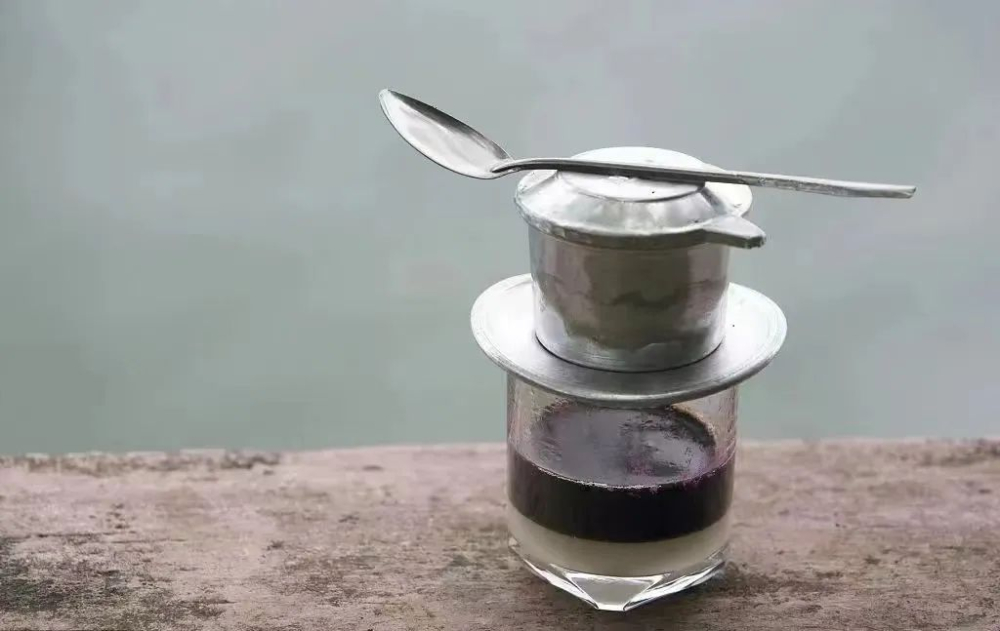
Sweetened condensed milk, also known as condensed milk, is a dairy product made by concentrating fresh milk and adding a large amount of cane sugar. It has a thick texture and high sweetness, which is completely different from common coffee creamers. Most creamers are made from vegetable fats and contain no actual milk components. Due to its uniquely sweet and rich texture, sweetened condensed milk can create surprisingly pleasant taste combinations when paired with certain types of coffee. Take Vietnam as an example: the country produces a lot of Robusta coffee beans, which often have heavy oils and roasted notes but can easily taste overly bitter. Therefore, the common practice in Vietnamese drip coffee is to place an appropriate amount of sweetened condensed milk at the bottom of the cup first, then slowly pour hot water through a drip filter, allowing the coffee liquid to naturally seep through. Before drinking, use a spoon to gently stir the sweetened condensed milk at the bottom with the black coffee on top, blending them to achieve a balanced sweet-and-bitter milky coffee effect.
The idea of combining sweetened condensed milk with coffee isn’t exclusive to Vietnam. In Valencia, Spain, there’s also a classic coffee drink that features sweetened condensed milk—Café Bombón. This coffee is extremely simple to make but places great emphasis on the harmony between visuals and taste. A transparent glass cup with a capacity of about 90 to 120 milliliters is usually used, not only for practicality but also to showcase the beauty of the layered effect. The method involves first pouring an amount of sweetened condensed milk equal to that of the espresso—for example, if using 40 grams of espresso liquid, add 40 grams of sweetened condensed milk. Then, the espresso is carefully poured on top of the sweetened condensed milk. Because the sweetened condensed milk is denser, the two liquids will remain distinct unless deliberately stirred, creating the classic “black and white” visual contrast.
When drinking, it’s recommended to gently stir with a spoon to fully mix the sweetened condensed milk and espresso. Its taste is richer than drinking straight espresso, with the bitterness significantly reduced, and it brings the distinctive sweetness and creamy aroma of sweetened condensed milk. Some describe this combination as being similar to the curious taste of turtle jelly paired with sweetened condensed milk. For those trying espresso for the first time or who prefer a gentler sweetness, Café Bombón is a great entry-level choice.
As for the “Spanish latte,” it is another coffee beverage that incorporates sweetened condensed milk. Interestingly, despite its Spanish name, this drink has no direct ties to traditional Spanish coffee culture. It is essentially a variation of a regular latte, where sweetened condensed milk is added to the base, resulting in a richer and sweeter overall flavor. With the addition of sweetened condensed milk, it is recommended to choose a full-bodied, high-density Italian-style blend to support the extra sweetness and smooth texture provided by the milk. When selecting coffee beans, a blend of Brazilian and Colombian beans is a good choice. These beans typically offer mild aromas such as nuts and caramel, along with good oil expression, which helps improve the overall roundness and drinkability of the beverage.
For consumers who are not accustomed to the bitterness of coffee, the Spanish latte is undoubtedly a friendly option. Sweetened condensed milk not only effectively masks some of the sharper bitterness of coffee but also brings out a softer sweetness. Compared to relying solely on syrups or other artificial sweeteners, flavoring with sweetened condensed milk is more natural and offers a richer layering. Additionally, the lactose and sugars naturally present in sweetened condensed milk give the entire cup of coffee a fuller body and a gentle, lingering aftertaste, making it ideal for savoring after a meal or during leisurely moments.
The above content is compiled by CoffeeHunters, a coffee news website.


