







Introduction:If your pour over coffee turns out overly bitter due to over-extraction or dark roasting, many people would add sugar or salt to adjust the flavor. However, these two methods work very differently in reducing bitterness, and their actual effects also vary significantly. This article delves into the sources of bitterness, scientifically analyzes how salt and sugar affect taste perception, and through hands-on comparative testing, helps you find the bitter coffee adjustment method that best suits your palate. It also shares several coffee bean recommendations ideal for those who enjoy bold and rich flavors.
The bitterness in coffee often stems from two main factors: one is over-extraction — for example, using water that’s too hot, grinding too fine, or brewing for too long — which leads to an excessive release of caffeine and chlorogenic acid lactones, resulting in a pronounced bitter and astringent taste; the other is dark roasting, where internal compounds in the beans undergo high-temperature decomposition and polymerization, releasing intense roasted and burnt bitter notes.
Deep-roasted beans such as Indonesian Mandheling, Blue Mountain No.1, Brazilian Cerrado, and Colombian Huila are beloved by coffee enthusiasts who prefer strong and intense flavors for their richness and high bitter-sweetness profile. With the right brewing technique, these beans can still reveal captivating layers and aromas, without becoming unbearably bitter.
However, for those unaccustomed to strong bitterness, an over-extracted or overly dark-roasted cup of coffee can often be hard to swallow. To avoid wasting a good cup, we can tweak its flavor with some simple methods, the most common being adding sugar or salt. But which of these two seasoning methods is more effective at reducing bitterness and enhancing the overall drinking experience? This article will analyze it from a scientific perspective and conduct a practical pour over coffee comparison test.
First, let’s understand how we perceive bitterness. The human taste buds don’t directly “taste” bitterness. Instead, when taste buds release calcium ions that transmit bitter signals to the brain, the bitter taste receptors are activated, forming our perception of bitterness. Therefore, bitterness is often one of the last flavors detected in food and is also the easiest to be interfered with by other tastes.
Next, let’s look at the principles behind adding salt versus sugar. Salt can interfere with the transmission of bitter signals, reducing the amount of bitter information the brain receives, thereby lowering our sensitivity to bitterness. Sugar, on the other hand, relies on its sweetness concentration to dilute and mask the proportion of bitterness in the overall taste. While both can achieve the effect of making “bitterness less noticeable,” their actual mechanisms are completely different: salt interferes with perception, while sugar masks via concentration.
Enough theory — let’s now move on to a hands-on comparative test to see which method performs better in an actual pour over coffee setting.
For this experiment, we used a classic dark roast bean — PWN Golden Mandheling. This is a bean often used to test the limits of extraction, featuring intense earthy and woody notes. If the parameters are off, it can easily produce strong bitterness and astringency. The experimental parameters were as follows: 15 grams of coffee beans, grind size set to 10 on the Ek43 grinder (normally recommended at 11, which indicates a coarser grind), a brew ratio of 1:15, water temperature at 92°C (normally suggested between 88°C and 90°C for pour over), using a three-pour method, and extraction with a Kono filter.

Note: This set of parameters was deliberately adjusted to an over-extracted state, solely for experimental purposes, and is not recommended for daily pour over brewing. The actual extraction time was 2 minutes and 30 seconds, with a total output of about 200 milliliters. We divided these 200 milliliters of coffee equally into four cups, 50 milliliters each. One cup had no additions as the control, one had 1 gram of white granulated sugar added, one had 2 milliliters of homemade 20% saline solution added (i.e., a 1:4 salt-to-water ratio for precise salt control), and the last one was offered as a “friendly sample” randomly given to friends for tasting.
Regarding the preparation of the saline solution, previous experiments found that regular table salt has overly fine grains and its saltiness is hard to control, so dissolving the salt at a 20% concentration in water allows for accurate measurement. Experimental results showed that 2 milliliters of the saline solution effectively mellowed the bitterness of the 50 milliliters of over-extracted coffee, making the taste smoother with a slight salty-sweet sensation, and the overall flavor more balanced and easier to drink.
As for the cup with 1 gram of white granulated sugar added, although the sweetness was obvious, it didn’t actually reduce the perception of bitterness. Rather, it masked the bitterness with sweetness, resulting in an overall conflicting taste of sweet-with-bitterness. If more sugar is added, the sweetness can easily overpower the original flavors of the coffee, even making the whole drink taste like medicinal sugar water, losing the layered profile of the coffee itself.
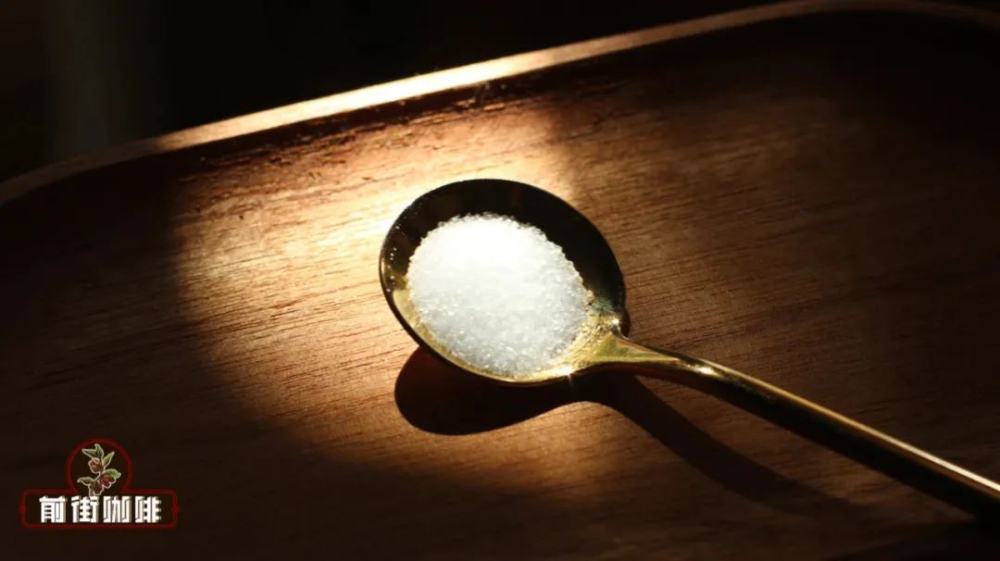
Based on overall tasting experiences, if you’re looking for a way to make bitter coffee easier to drink without compromising its original flavor layers, saline might be the smarter choice. It can effectively reduce the attack of bitterness without drastically altering the basic flavor of the coffee, while also enhancing the overall body and balance. Adding sugar, on the other hand, is suitable for those who wish to quickly mask bitterness with a sweet-dominant profile, but portion control is key, as too much can backfire.
In addition, if you’re a fan of the rich, roasted aromas and earthy notes of dark roast beans, you might want to try classic varieties such as Indonesian Mandheling, Blue Mountain No.1, Brazilian Cerrado, or Colombian Huila. With slight attention to grind size, water temperature, and brew time, you can avoid the risk of over-extraction and enjoy the unique depth these dark roasts have to offer.
The above content is compiled by CoffeeHunters, a coffee news website.


