







Introduction:The French press, known for its simplicity and ability to preserve coffee oils, has become the go-to brewing method for many coffee beginners. However, selecting the right coffee beans and mastering the correct brewing technique are the keys to success. This article delves into the characteristics of the French press, recommends medium to dark and dark roast beans that suit it well, and details practical parameters in the standard brewing process—such as water temperature, coffee-to-water ratio, and pressing pressure—to help you brew a rich, full-bodied, and balanced cup of French press coffee at home.
Among the many home coffee brewing tools, the French press is beloved by beginners for its ease of use and paperless filtration. But to brew a cup with a smooth mouthfeel and rich crema, choosing the right beans and following the correct steps are essential. The French press is not only suitable for daily use but also excels at highlighting the bold characteristics of medium to dark roast beans, making it a practical tool for exploring the world of coffee.
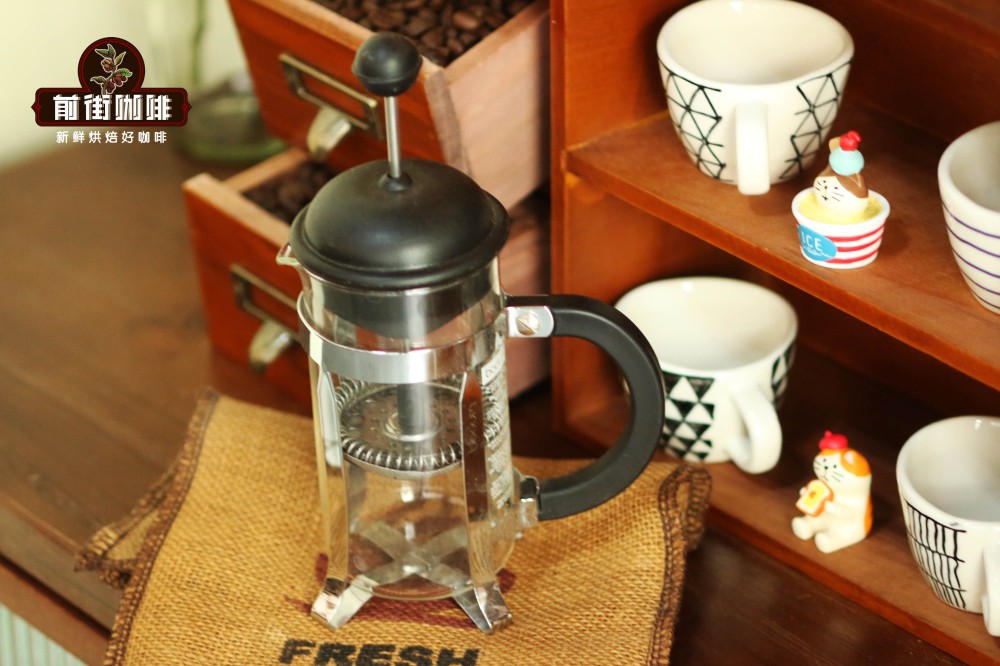
The French press, known in English as the French Press or cafetière, originated in France around 1850 and consists of a heat-resistant glass carafe and a metal filter. Its most distinctive feature is immersion brewing: thanks to its larger-filter pores, coffee grounds are fully soaked in hot water while preserving abundant coffee oils, resulting in a richer and fuller-bodied flavor.
When it comes to coffee bean selection, the French press differs slightly from other brewing methods. While beans of any roast level—from light to medium to dark—can be used, because the French press lacks paper or cloth filters and has larger filter holes, it demands higher precision in grind size and more stable extraction. Therefore, it is recommended to prioritizemedium to dark roastspecialty coffee beans, which not only emphasize boldness and low acidity but also showcase layers of chocolate, caramel, and creamy aromas.
If you prefer a coffee with a strong body and long-lasting finish, it’s recommended to choosemedium to dark roast beansprimarily from Indonesia or Central and South America—such as those with nutty and cocoa profiles. These beans release oils effectively, enhancing the overall richness of the drink. For those who enjoy a slight fruity acidity and fermented aroma, you might trymedium roastbeans, such as those with prominent fruit notes like the Flower Butterfly or Strawberry Sugar series. These beans, when brewed using the immersion method of the French press, can also present a unique tea-like mouthfeel and layered complexity.
When it comes to the practical operation of the French press, many people wonder how it compares to the brewing methods used by chains like Starbucks. In fact, the standard French press brewing process can be simplified into seven main steps. By mastering water temperature, coffee-to-water ratio, and pressing technique, you can consistently produce satisfying coffee.
First, boil water, and it is recommended to control the temperature between90~96°C[Temperature range placeholder: keep as-is, e.g., 90–96°C or similar]according to the roast level of the beans. Next, grind the coffee beans to a medium-coarse consistency, roughly similar to sea salt. This helps avoid over-extraction and bitterness while ensuring smooth flow rate. As for the coffee-to-water ratio, it is advised to set it at1:15 to 1:16
, meaning 1 gram of coffee grounds to 15–16 milliliters of water—suitable for most taste preferences.
Place the French press on an electronic scale, pour about 120 grams of hot water first, starting from the center, and immediately start the timer. This period is called “bloom” and lasts approximately 30 seconds. During the bloom, gently stir the coffee grounds with a wooden spoon or chopstick to aid even absorption and expansion—a crucial step for optimal flavor release.After blooming, add the remaining hot water, adjusting the total volume according to the coffee-to-water ratio, then cover the lid but do not press down the filter yet. Let it steep forfour minutes
. This period is key for flavor extraction—avoid shortening or extending it arbitrarily.Once the time is up, remove the French press from the scale, and slowly and evenly press down the filter. It is recommended to apply a force within the range of7 to 9 kilograms
. If there is almost no resistance while pressing, it may indicate the grind is too coarse; if it feels too heavy, the grind may be too fine—both cases require timely adjustment. Once the filter reaches the bottom, it is recommended to pour out the coffee immediately to prevent over-steeping, which can intensify bitterness.Finally, pour the coffee into pre-warmed cups. It is best to consume it within20 minutes
to enjoy the optimal flavor. If you prefer a stronger taste, opt for dark roast beans; if you plan to drink it within 10 minutes, medium to dark or medium roast beans can still deliver a satisfying flavor experience.

The above content is compiled by CoffeeHunters, a coffee news website.


