








Introduction:Asian coffees are renowned for their low acidity, full body, and herbal and spicy flavor profiles, making them an essential stop on the global coffee map for many enthusiasts. This article delves into the regional characteristics, processing differences, and typical flavor expressions of Indonesia’s Mandheling, Papua New Guinea’s Paradise Bird, and Yunnan’s small-bean coffee. It also incorporates real tasting insights to help you more accurately grasp each region’s purchasing priorities and brewing recommendations.
Asian-origin coffee beans have long been known for their rich, full-bodied taste, generally low acidity, yet possessing enchanting sweetness and complex notes of spices, herbs, and even woody aromas. They are indispensable base options in many espresso blends. From the classic Mandheling of Sumatra in Indonesia, the washed Paradise Bird of Papua New Guinea, to the high-altitude small-bean varieties of Yunnan in China, each region showcases its unique terroir. This article will provide a detailed analysis of the flavor profiles and common processing methods of these major Asian coffee-producing regions, and through classic single origins such as Indonesian Mandheling, Golden Mandheling, Papua New Guinea Paradise Bird, and Yunnan Typica, guide readers in understanding how to select the most suitable Asian coffee based on personal taste.
The overall flavor tendency of Asian coffee is low acidity, full body, and earthy aromas. Compared to the bright fruit acidity of Central and South American beans and the floral-citrus notes of African beans, Asian-origin coffee beans usually exhibit higher viscosity and sweetness, with flavor profiles often revolving around woody, spicy, herbal, or even soil-like notes. Island-type beans, such as some from Papua New Guinea, tend to be more refreshing and mild, with soft sweetness and a clean aftertaste. Due to the frequent use of wet or semi-wet processing methods, the beans are generally more uniform in appearance, though those processed via semi-wet methods may have a slightly darker color, also contributing to different textural layers. These coffees are not only suitable for dark roasting to highlight intense flavors, but some premium batches can also reveal surprising fruity notes when roasted at medium or light levels.
Sumatra Mandheling can be considered one of the representatives of Asian coffee, with a cultivation history dating back to the 18th century. It was initially concentrated around Lake Tawar in North Sumatra, but the main producing areas have since shifted southward to regions such as Lintong, Sidikalang, and Takengon. Interestingly, flavor variations in Sumatran coffee often stem more from processing methods than clearly defined regional boundaries. The most iconic “Two-Lake Double Mandhelings” come respectively from Lake Toba and Lake Tawar, each creating its own subtle regional characteristics. Indonesian Mandheling is mostly processed using the traditional wet-hulled method, paired with medium to dark roasting, yielding layered flavors such as nuts, pine, caramel, and herbs—ideal for drinkers who prefer bold tastes. It’s worth noting that while dark roasting can accentuate its herbal and full-bodied qualities, high-quality Mandheling can also showcase delightful fruity acidity and sweetness when roasted at medium or light levels, revealing a lesser-known multifaceted profile.
Although geographically part of Oceania, Papua New Guinea’s coffee culture is deeply influenced by Indonesia, yet it presents a distinctly unique personality. The region is dominated by small-scale washed estates, with some also producing limited quantities of natural-processed beans, the latter often exhibiting finer and more varied flavors. Small-batch washed coffees typically demonstrate a rich and solid mouthfeel without pronounced earthy or off notes, while those from larger estates are noted for their cleanliness and finesse, occasionally described as somewhat plain in character. The coffee plant varieties in Papua New Guinea mostly originate from Jamaican Typica and Tanzanian mutants, resulting in an overall lighter body, sometimes resembling high-quality beans from Central America. The featured Papua New Guinea Paradise Bird (washed / medium roast) is one such example, sourced from the well-known Sigri Estate. Its packaging sack features the image of the country’s national bird, the Paradise Bird, hence earning it the nickname “Little Blue Mountain.” Dominated by Typica beans, this coffee offers a balanced, slightly bold profile with stable low acidity, nutty and sugarcane sweetness, smooth mouthfeel, and a clean aftertaste—making it an excellent entry point for exploring Asia’s fresh-style coffees.
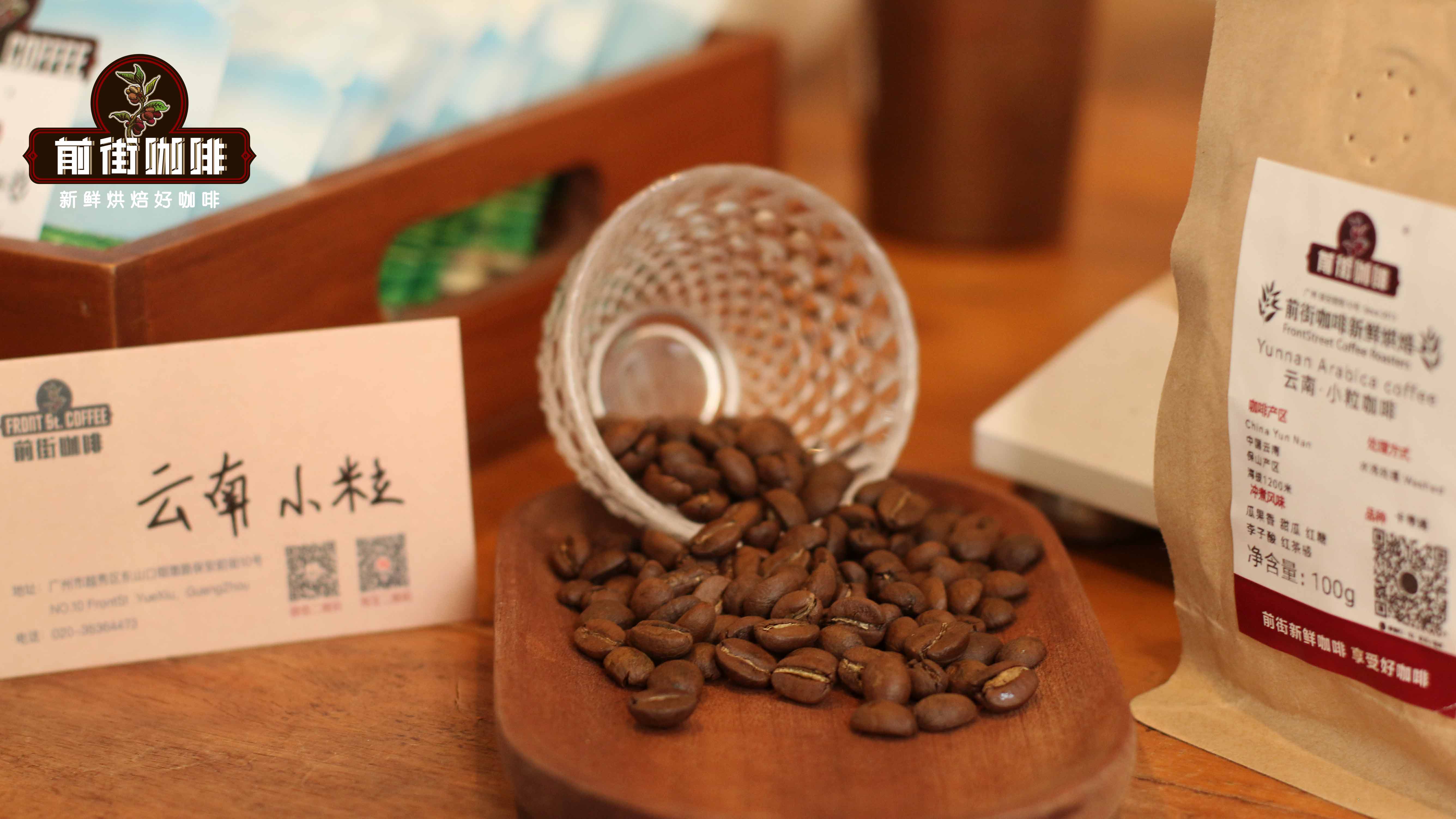
Yunnan, as China’s main coffee-growing region, cultivates its small-bean coffee primarily in dry-hot valley areas at elevations of around 1,100 meters, with Baoshan, Lincang, and Simao being especially well-known. The ideal altitude imparts moderate acidity and rich aroma to the beans—too high can lead to sourness, too low to bitterness. The Baoshan area, with its stable climate and significant diurnal temperature variation, is regarded as one of China’s most suitable regions for growing small-bean coffee. The coffee produced here is not only rich and full-bodied but also boasts unique fruity notes and sweetness. Yunnan small-bean coffee is mainly of the Arabica variety, among which Typica is the most representative. The 2013 Yunnan Typica is a classic case in point—offering a soft entry with distinct Asian herbal notes, lively and bright acidity, noticeable saliva stimulation, and a well-balanced, layered structure overall. As the temperature cools, lingering notes of brown sugar and dark chocolate gradually emerge, perfectly concluding the flavor profile. It is a classic work not to be missed when savoring Asia’s highland coffees.
The above content is compiled by CoffeeHunters, a coffee news website.


