







Introduction:As China’s only Arabica coffee-growing region, Yunnan has sparked widespread discussion among coffee enthusiasts in recent years. From initially being criticized for earthy or woody flavors to now impressing with stunning anaerobic processing profiles, this shift reflects the evolution of variety selection and cultivation techniques. This article delves into the origins of Yunnan’s small-grain coffee, analyzes the history, characteristics, and challenges of the mainstream varieties Catimor and Typica, explores two key strategies in the specialty transformation, and provides practical pour-over parameters for washed Catimor and espresso blend recommendations to help you better understand the potential of Yunnan coffee.
When it comes to Chinese coffee, most people immediately think of Yunnan. It is not only China’s only Arabica coffee-growing area but is also gradually making its mark on the global specialty coffee map. However, opinions on Yunnan coffee are sharply divided — some complain about its noticeable earthy or woody notes, while others praise the sweet fruity aromas brought out by its anaerobic natural processing. These differences actually stem from Yunnan coffee’s varietal structure and the history of its cultivation development. We will start with the origin of "small-grain coffee", explore the background of the introduction of Typica and Catimor, analyze the key factors influencing flavor, and discuss the two major directions in the current move toward specialty production.
Many coffee newcomers often ask: “What exactly is Yunnan small-grain coffee?” Simply put, small-grain coffee refers to Arabica. In contrast, Robusta — also known as medium or Luo beans — grown in places like Hainan, China, typically has a coarser flavor and pronounced bitterness. Arabica, on the other hand, is generally recognized for its richer aroma and acidity, making it suitable for consumers seeking a more delicate taste. In 1904, a French missionary planted the first Typica coffee trees in Yunnan’s Zhucula Village, marking the official beginning of coffee cultivation in the region. By the 1930s, overseas Chinese Liang Jinshan further promoted the local planting of Typica, followed by another expansion in cultivation area during the 1950s and 1960s.
As a classic specialty coffee variety, Typica is known for its elegant acidity and layered flavor profile, but it also has significant drawbacks: low yield, extreme susceptibility to rust disease, and high management difficulty. When coffee prices are low and farmer incomes are affected, they tend to switch to other cash crops. As early as 2013, observations noted that coffee trees in some parts of Yunnan were almost in a semi-wild state, lacking systematic care.
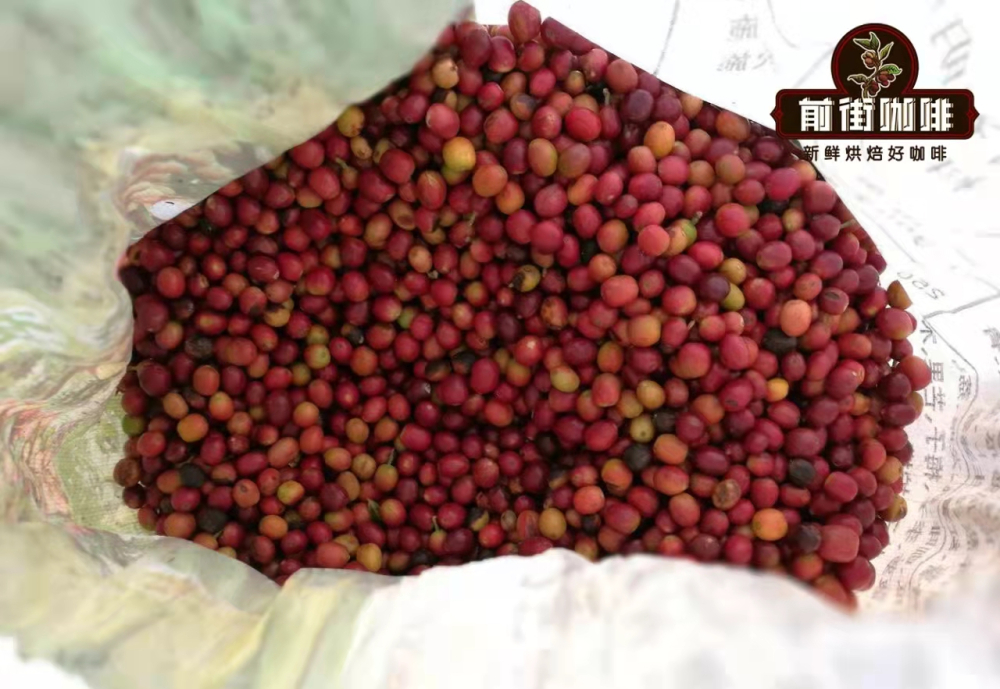
The turning point came when Nestlé entered the Chinese market in 1988 and began supporting local coffee cultivation to secure a stable raw material supply. Nestlé introduced the Catimor 7963 variety from Portugal’s Coffee Rust Research Center (CIFC), conducting trial plantings in Dehong, Baoshan’s Longjiangba, and Ruili. In 1991, it subsequently introduced Catimor P1 to P4, where “P” stands for Population, and P4, due to its outstanding yield performance, was widely promoted in Pu’er starting in 1994. Research later confirmed that P1 to P4 corresponded to varieties 7960 to 7963, respectively. In addition, Nestlé also introduced two lines, T5175 and T8667, from Central America, but these had lower yields than 7963 and ultimately did not become mainstream.
Driven by Nestlé, over 99% of coffee farms in Yunnan switched to planting Catimor, now commonly referred to as “Yunnan small-grain”. These beans were initially mainly used as raw materials for instant coffee, where flavor requirements were relatively lenient. However, Catimor, which has four sets of chromosomes and is classified as Arabica, carries about one-quarter of Robusta genes. This gives it strong disease resistance, high yield, and good adaptability, but it also sacrifices the delicacy of flavor. This is why many people tasting Yunnan coffee for the first time often detect noticeable woody, grassy, or even earthy off-notes.
As domestic demand for specialty coffee rises, more industry players and consumers are starting to ask: “Can Yunnan also grow high-quality specialty coffee?” In response to this question, the industry is currently adopting two main improvement strategies: one is to modify or enhance flavor profiles through post-harvest processing methods such as anaerobic fermentation and enzymatic treatment; the other is to tackle the issue at the agricultural level, such as switching to traditional varieties with better flavor performance, like Typica, Bourbon, or even the prestigious Geisha. But it must be said that these varieties currently have limited planting areas in Yunnan and are still in the experimental and developmental stages. Fully replacing Catimor will take time and technological accumulation. The shift to specialty coffee is not an overnight process, and agricultural improvement usually takes five to ten years or more.
Despite this, Yunnan coffee is gradually improving. For consumers looking to experience local characteristics, it is recommended to start with washed Catimor, such as those from the Baoshan growing region. Baoshan has a coffee cultivation history of over a century, with relatively mature farming techniques, and washed processing can more clearly showcase the original flavor profile of the variety. In our selection of entry-level bean offerings, we’ve chosen washed Catimor from Baoshan — ideal for daily drinking and pour-over experiences.
Entry-Level Bean Series – Yunnan Small-Grain Coffee Beans
Region: Baoshan, Yunnan, China
Elevation: 1200 meters
Processing Method: Washed
Variety: Catimor
If you prefer espresso, we also offer a blend combining Yunnan small-grain with Brazilian Red Bourbon, roasted to a medium-dark level and designed specifically for use in moka pots and espresso machines. Named the “Dark Cocoa Base Blend”, these beans feature rich notes of nuts, chocolate, and cream, with a velvety mouthfeel and smooth texture, making them perfect for lattes, cappuccinos, and other milk-based drinks.
Pour-Over Recommendation (Hario V60):
Brew Water Temperature: 90°C
Coffee Dose: 15 grams
Coffee-to-Water Ratio: 1:15
Grind Size: Approximately 75% extraction through a standard Chinese No. 20 sieve (medium-coarse to slightly fine)
Steps: Bloom with 30 grams of water for 30 seconds, then slowly pour in a circular motion from the center outward to 125 grams. As the water level begins to expose the coffee bed, continue pouring to 225 grams. Total brew time is approximately 2 minutes.
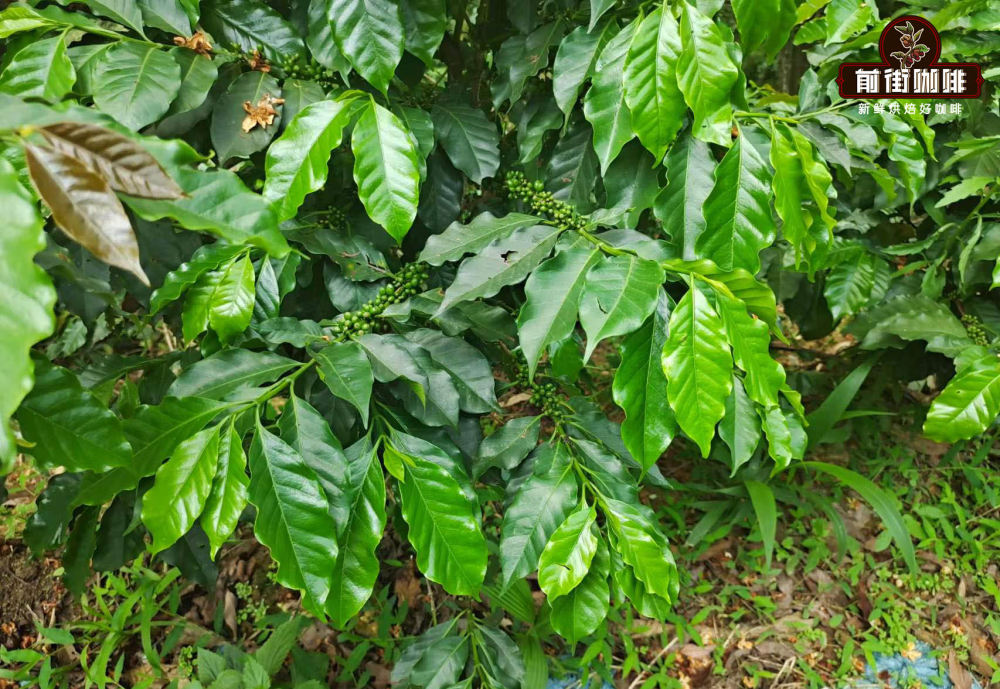
In terms of flavor, washed Catimor from Baoshan typically exhibits notes of melon, cantaloupe, brown sugar, subtle plum acidity, and a soft black tea finish. It is a balanced option well-suited for beginners wanting to experience the terroir of Yunnan. Whether you prefer pour-over or espresso, with the right processing and brewing methods, you can uncover the unique potential and charm of Yunnan coffee.
The above content is compiled by CoffeeHunters, a coffee news website.


