







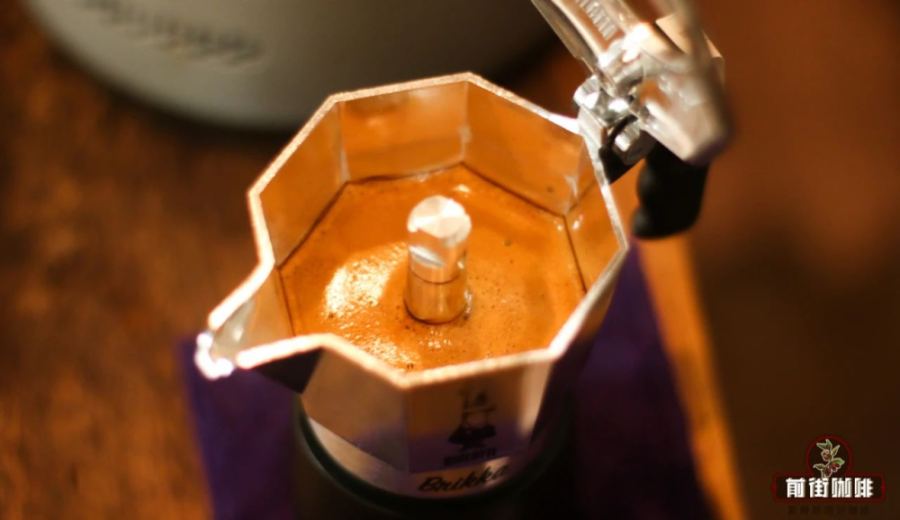
Introduction:The Moka pot uses steam pressure generated by heating to extract coffee. Since its launch in 1933, it has gained widespread popularity, with global sales exceeding 300 million units. Though simple to operate, it requires skill, especially when it comes to the roast level and characteristics of the coffee beans. This article delves into the physical mechanics of the Moka pot, explains how to achieve rich and bold espresso-style flavors with the right beans and parameters, and recommends five popular single-origin beans that pair well with the Moka pot to help you easily enhance your extraction quality.
The Moka pot is a classic espresso-making device. Since its inception in 1933, its ease of use and strong extraction have made it an essential kitchen tool for countless coffee enthusiasts. Statistics show that this pot has sold over 300 million units worldwide, demonstrating its enduring appeal. Its working principle mainly relies on the steam pressure generated during heating. Through a three-chamber design, it pushes hot water through a bed of coffee grounds to complete the extraction.
The Moka pot mainly consists of three parts: the lower water chamber, the middle filter basket that holds the coffee grounds, and the upper chamber that collects the brewed coffee. When the lower part is placed on a heat source, the water begins to warm up, gradually turning into steam, which creates enough pressure (about 1–2 bar) to push the water upward through the coffee grounds in the middle section, eventually dripping into the upper chamber. During this process, the water temperature is typically higher than that used in pour over methods, usually ranging between 90°C and 100°C, resulting in a more concentrated extraction and a bolder flavor profile.
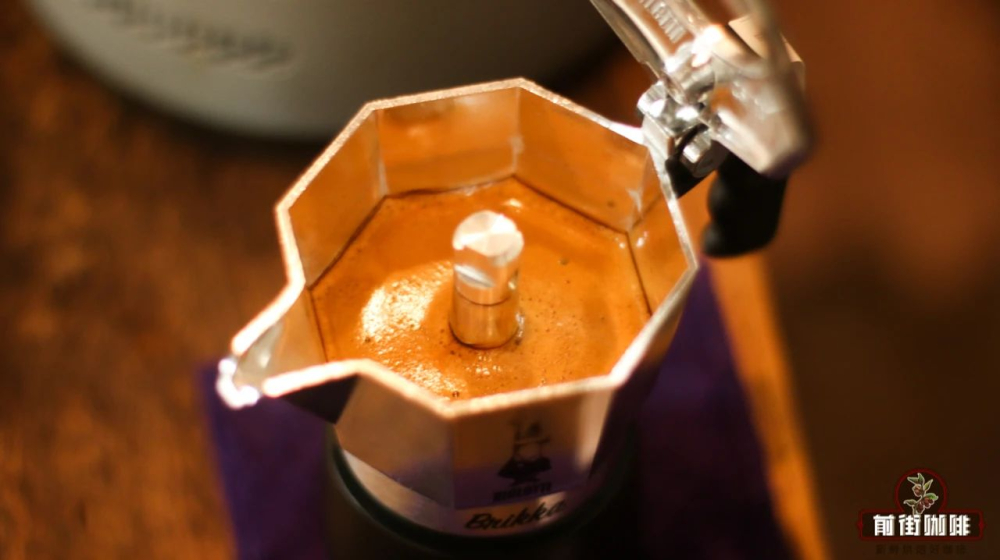
Precisely because of the high temperature and pressure environment of the Moka pot, the resulting coffee usually has a strong taste and a full body, making the choice of coffee beans particularly important. If light roast beans are used, they can easily bring out pronounced acidity and herbal notes, and may even produce sharp, unpleasant flavors. On the other hand, dark roast beans may release excessive burnt or bitter substances due to the high-temperature extraction, leading to a heavy or overly charred taste. To achieve a balanced and layered cup, it is recommended to choosemedium to medium-dark roastedcoffee beans. This range balances aroma, acidity, sweetness, and body while showcasing the regional characteristics of the beans.
When selecting coffee beans suitable for the Moka pot, you can consider both single-origin and blended beans. Single-origin beans, coming from specific regions, offer distinct terroir characteristics. For users familiar with various flavor profiles, this helps in mastering the combination of extraction parameters and bean types. Blended beans, on the other hand, often consist of carefully formulated mixtures aiming for overall balance and consistency in flavor, making them ideal for those who prefer a stable taste. Below are five popular single-origin beans recommended for use with the Moka pot, each offering unique flavor expressions that can enhance the enjoyment and success rate of home brewing.
First is the coffee from Brazil, known for its balanced and neutral flavor. These beans typically feature moderate acidity and a pronounced nutty character. They are not only suitable for direct brewing with the Moka pot but also pair effortlessly with milk to create a smooth and creamy latte. Their consistent performance makes them a top choice for many coffee beginners.
Coffee from Colombia showcases richer layers and livelier acidity. The beans have a rich aroma, with a well-balanced sweet-and-acidic profile and a notable sweetness and long-lasting aftertaste. They are particularly well-suited for medium-dark roasting, which further highlights the intense notes of caramel and spices, adding depth to the overall flavor.
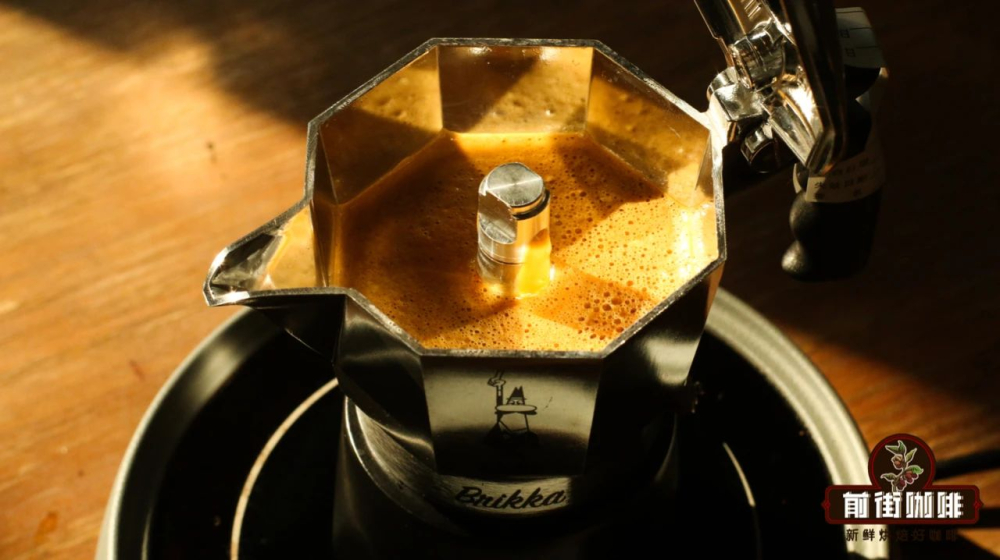
Indonesian Mandheling coffee is known for its unique herbal and spicy notes. These beans are often dark roasted, offering a strong caramel sweetness and a mildly bitter finish. The high-pressure extraction of the Moka pot accentuates their rich and bold characteristics, making them an excellent choice for those who enjoy deep and intense flavors.
If you prefer fruitiness paired with sweetness, consider blends from Costa Rica and Panama, such as the well-received “strawberry candy” flavor beans. These beans exhibit pronounced rose floral notes, along with a complex fruitiness of grapes, strawberry soft candy, and oranges. With a balanced and layered sweet-and-acidic profile, even when used for lattes, they can deliver delicate almond and berry notes in the finish.
Finally, we recommend a coffee bean from Papua New Guinea (PNG), nicknamed the “bird of paradise.” Its flavor profile is dominated by nuts, toasted bread, and chocolate. When brewed with the Moka pot, it brings out a soft cocoa aroma, subtle citrus acidity, and a refreshing cane sugar sweetness. The overall cup is well-balanced, making it suitable for those who enjoy a mild, mellow, and rich taste.
In summary, using a Moka pot to brew coffee requires not only mastering the heat and coffee-to-water ratio, but also choosing the right beans. By understanding the characteristics of different regions and roast levels, you can adjust your Moka pot brew to best suit your personal taste preferences and enjoy the pleasure of making professional-level espresso-style coffee at home.
The above content is compiled by CoffeeHunters, a coffee news website.


