








Introduction:Sidamo is one of Ethiopia’s most iconic specialty coffee regions, renowned for its sun-dried processing. Its coffees are bold in flavor, prominently sweet, and feature unique fermentation aromas alongside a juicy mouthfeel. This article delves into the terroir of the Sidamo region, explores the differences between sun-dried and washed processing methods, introduces the characteristics of well-known beans such as Huila and Santa Ana, and provides practical pour-over brewing recommendations along with flavor profiles to help coffee enthusiasts grasp the essence of this region.
When it comes to Ethiopia’s specialty coffees, many people first think of Yirgacheffe’s bright, refreshing fruit and floral notes, which are as stunning as a fruit tea. However, the Sidamo region, also from Ethiopia, showcases its charm with a distinctly different style. Though both Sidamo and Yirgacheffe belong to Ethiopia’s top-tier coffee-producing areas, Sidamo primarily features sun-dried processing. Its flavors are rich, sweetness is pronounced, and it boasts abundant fermented aromas and a juice-like mouthfeel—making it a hidden gem in the hearts of many coffee lovers.
The appearance of Sidamo green coffee beans tends to be grayish in color, with inconsistent bean sizes. Acidity and body vary widely, ranging from soft to intense, while also combining sweetness with spicy notes. It is a typical representation of Ethiopia’s highland garden-grown coffees from the southern regions. Compared to coffees from other parts of Africa, Sidamo’s acidity is clearer, its mouthfeel smoother, and it carries delicate floral and herbal scents, giving it a uniquely recognizable profile in the coffee market.

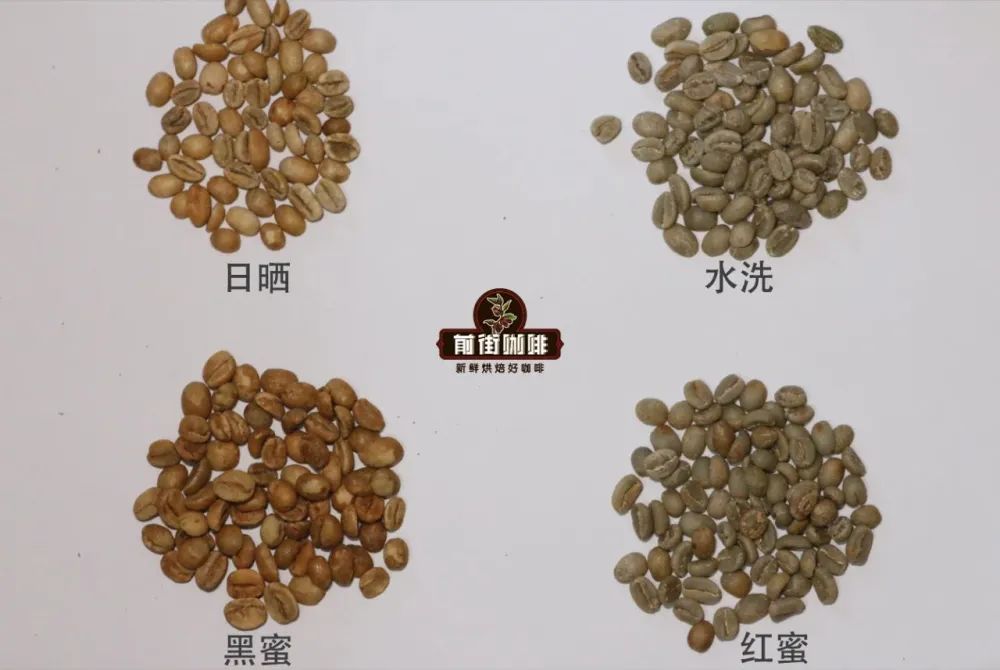
In terms of processing, Sidamo coffees mainly use two methods: washed and sun-dried. Washed Sidamo green beans are usually light green in color, oval in shape, plump in appearance, and relatively consistent in quality. Their flavor profile includes nutty fruit aromas with subtle cocoa notes, offering a long-lasting aftertaste that is wild yet elegant, with bright and layered acidity. Sun-dried processing, on the other hand, allows the coffee cherries to slowly dry under the sun, preserving more pulp sugars. The resulting flavors lean toward intense floral notes, occasionally accompanied by earthy undertones, with a full-bodied mouthfeel and prominent sweetness, often featuring a juice-like texture.
Ethiopia is one of the birthplaces of global coffee culture and the world’s sixth-largest coffee producer. According to statistics, in 2018, about 100 million people worldwide were directly or indirectly involved in the coffee industry, with Ethiopia accounting for 20%. In 2017, the country produced approximately 470,000 metric tons of green coffee beans and exported around 160,000 metric tons, demonstrating the domestic market’s high dependence on and consumption of coffee. Coffee is not only a vital cash crop for Ethiopia but also deeply integrated into local culture and daily life.
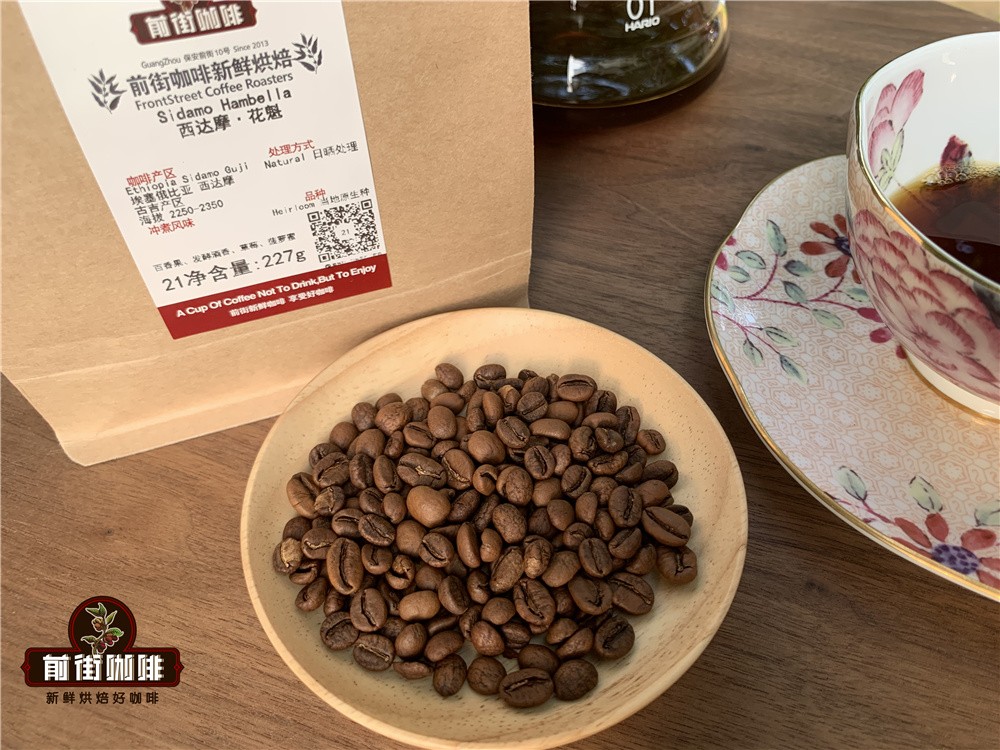
The Sidamo region was established in 1942, named after the indigenous Sidama ethnic group. This region boasts diverse terrain, including mountains, plateaus, valleys, and plains. The soil is volcanic, rich in nutrients and well-drained, with deep layers that support the growth of coffee trees. Local coffee farmers mostly adopt smallholder farming practices, with each household cultivating no more than 4 hectares. They often intercrop coffee trees with other crops like bananas, creating a unique home-garden planting landscape. This traditional approach not only maintains organic soil cycles but also contributes to the distinctiveness of coffee flavors across different areas.
Cupping tests have found that Sidamo coffees generally possess a full-bodied and rich mouthfeel, with complex sweetness and gentle acidity, followed by a long-lasting aftertaste. For example, well-known varieties such as Santa Ana and Huila both come from this region, showcasing the diverse potential of Sidamo coffee. Additionally, due to the interplay of varying altitudes, microclimates, and native varieties, the region’s coffees can exhibit an extremely rich spectrum of flavor profiles, performing exceptionally well whether as single origins or blend bases.
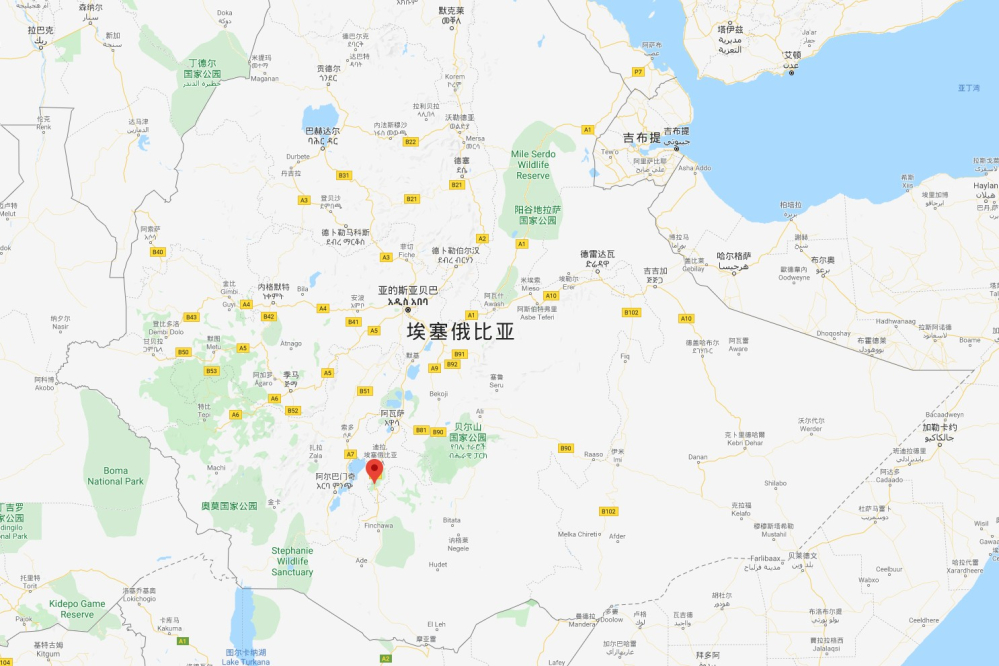
When talking about Sidamo, one cannot overlook the Huila coffee. Originating from Hambella, this coffee is geographically located within Ethiopia’s largest coffee-producing region, Guji. Although it was once part of Sidamo, it was designated as an independent region in 2010. Hambella is situated on a plateau, separated from Yirgacheffe’s Kochere by a mountain range as high as 3,200 meters, resulting in significant day-night temperature variations—an ideal condition for growing specialty coffee. The area’s extremely high altitude makes it one of the few regions in Ethiopia capable of producing top-tier coffee.
In 2017, DW Coffee sent sun-dried coffee beans from the Hambella region to the TOH (the Taste Of Harvest) green coffee competition. A lot produced by the ‘Buku Abel’ processing station won the championship with its intense strawberry and cream aromas. These beans were later introduced to China, where barista Li Jianfei helped propel them to fame through his outstanding performance at the World Brewers Cup. This Ethiopian sun-dried lot quickly became renowned and was given the name ‘Huila,’ symbolizing its excellence like the top courtesans of the geisha world. Since then, DW has continued to release versions such as Huila 2.0 to Huila 8.0, with each year’s edition reflecting subtle flavor variations due to climate differences—truly worth savoring for coffee enthusiasts.
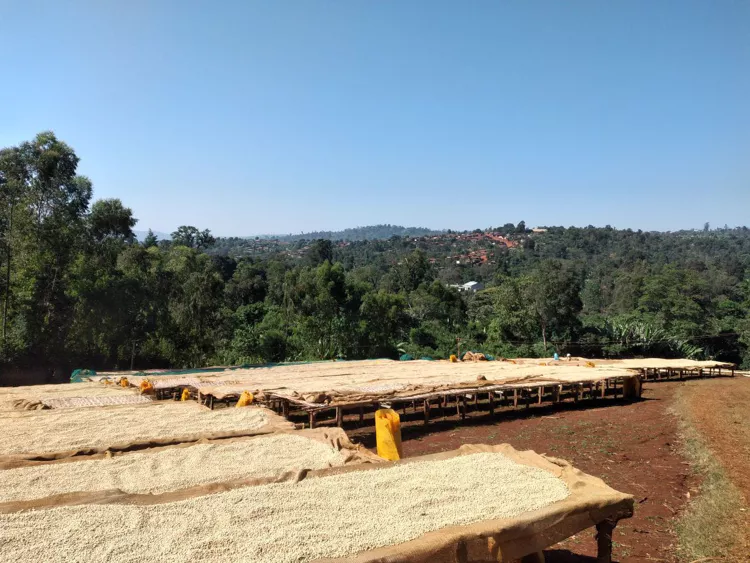
In terms of processing methods, Sidamo’s sun-dried and washed coffees each have their own strengths. Washed processing involves first removing defective cherries, followed by pulping, fermentation, washing, and drying—a more complex process that highlights the coffee beans’ original citrus acidity and fresh floral notes. Sun-dried processing, however, involves directly drying the coffee cherries until their moisture content reaches about 12%, after which the outer pulp is removed. This method preserves more fruit sugars and aromatic compounds, resulting in richer and sweeter coffee flavors, often accompanied by a smooth juice-like mouthfeel and layered fermentation notes.
If you wish to brew Sidamo sun-dried coffee at home, here are the recommended practical parameters: use a V60 dripper, control the water temperature at 90°C, set the coffee-to-water ratio at 1:15, and use about 15 grams of coffee. The grind size should be around 80% passing through a #20 Chinese standard sieve (equivalent to a medium-fine grind). During extraction, start by pouring water twice the weight of the coffee grounds (about 30 grams) for a 30-second bloom to release CO₂ from the coffee, ensuring a more stable extraction afterward. Then continue pouring in small circles until you reach 125 grams for the first pour, followed by a second pour up to 225 grams before stopping. The total extraction time should be about 2 minutes. Once dripping is complete, gently swirl the coffee in the V60 before pouring it into your cup.
The brewed Sidamo sun-dried coffee typically delivers an exceptionally enticing flavor profile: vibrant fruit and floral aromas, commonly featuring citrus, passionfruit, and strawberry notes, along with a soft oolong tea-like undertone. It is intensely sweet, with a long-lasting and layered finish—making it a classic cup that showcases the multifaceted charm of Ethiopian coffee.
The above content is compiled by CoffeeHunters, a coffee news website.


