








Introduction:Did you know that the final flavor of a cup of coffee depends not only on its variety and origin, but also on a key variable: "processing method"? This article delves into the processes, differences, and flavor impacts of the two mainstream processing methods—washed and natural—and explores the internal structure of the coffee cherry. Through practical examples of two classic washed coffees from Kenya and Yirgacheffe, it helps readers build a basic understanding of coffee processing methods and their flavor profiles.
Globally, coffee bean production reaches as high as 8.4 billion kilograms per year, but the flavor of a cup of coffee is influenced not only by origin, variety, and cultivation methods—the processing method is also one of the key factors. Common processing methods include natural (sun-dried), washed, and honey, each imparting unique flavor characteristics to the beans. Among them, the washed process, known for its stable quality and clear flavor expression, is the preferred choice for many specialty coffee enthusiasts.
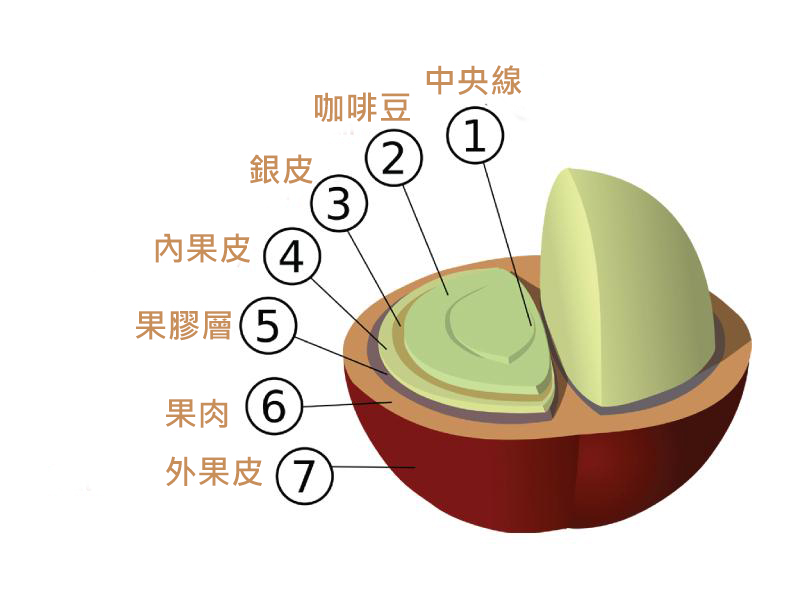
Coffee beans are actually the seeds inside the coffee cherry. The entire fruit, from the outside in, can be divided into the outer skin (exocarp), pulp (mesocarp), mucilage (parenchyma), parchment (endocarp, commonly known as parchment layer), silver skin (testa), and the seed itself. To obtain the coffee bean, the seed must be completely separated from the fruit. The main processing methods today are natural, washed, and honey, and their differences primarily lie in how the pulp and mucilage are handled—which directly affects the final flavor.
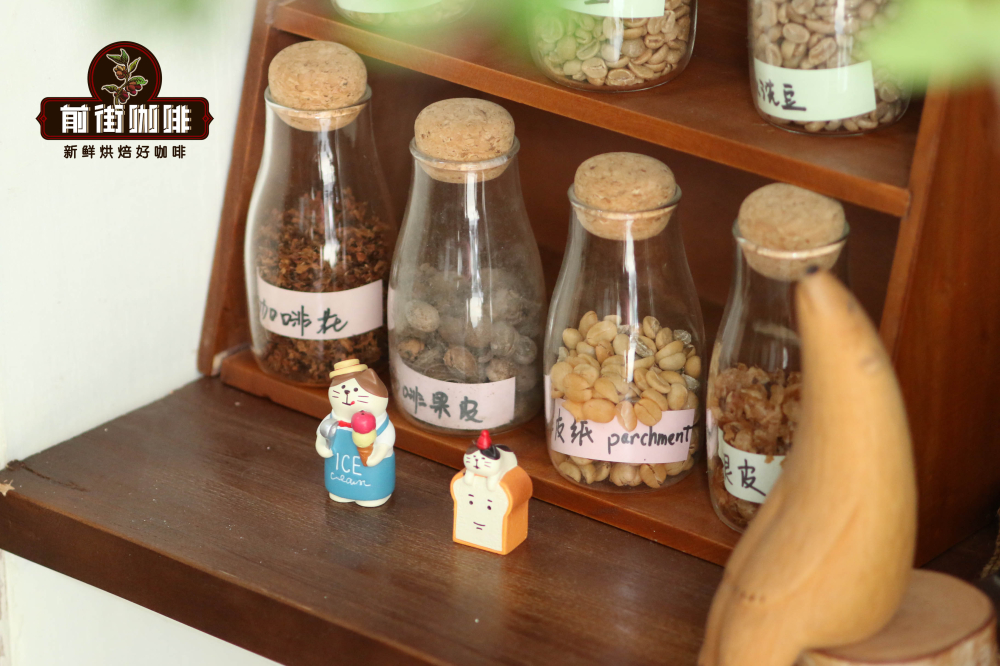
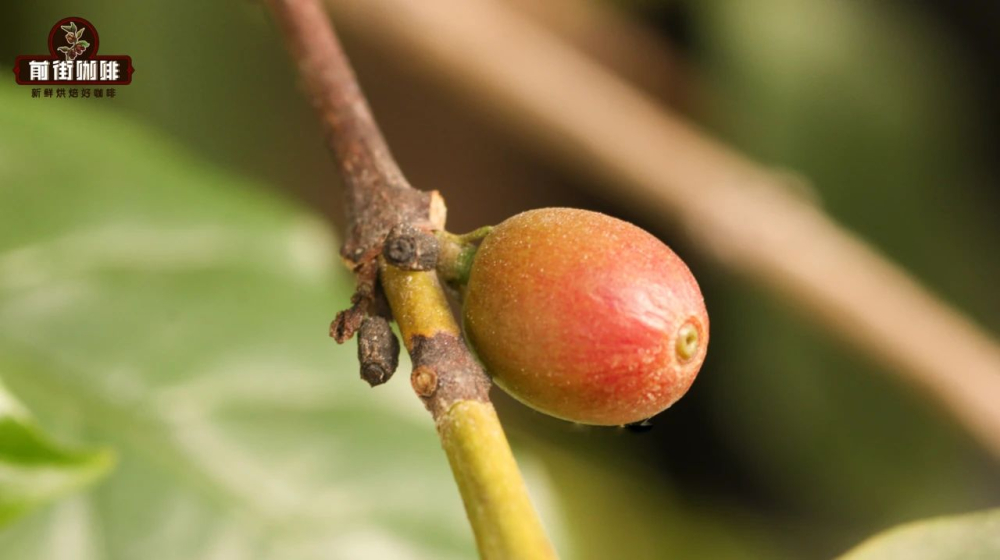
First, let’s understand the structure of the coffee cherry. The outer layer is a tough exocarp, similar to the skin of a cherry or cranberry, usually red when ripe, though yellow or orange varieties also exist. Next is the thin pulp layer, which is sweet and juicy, but is typically removed quickly during most processing methods. Beneath the pulp is the thick, sweet mucilage layer, also called honey, which is an important source of the coffee’s fruity aroma and sweetness. Below that is the parchment layer, composed of cellulose, which dries to resemble parchment paper, hence its name. The innermost layer is the silver skin, a thin membrane around the seed, similar to rice paper, which usually falls off during roasting. At the very core is the seed—what we call the coffee bean.
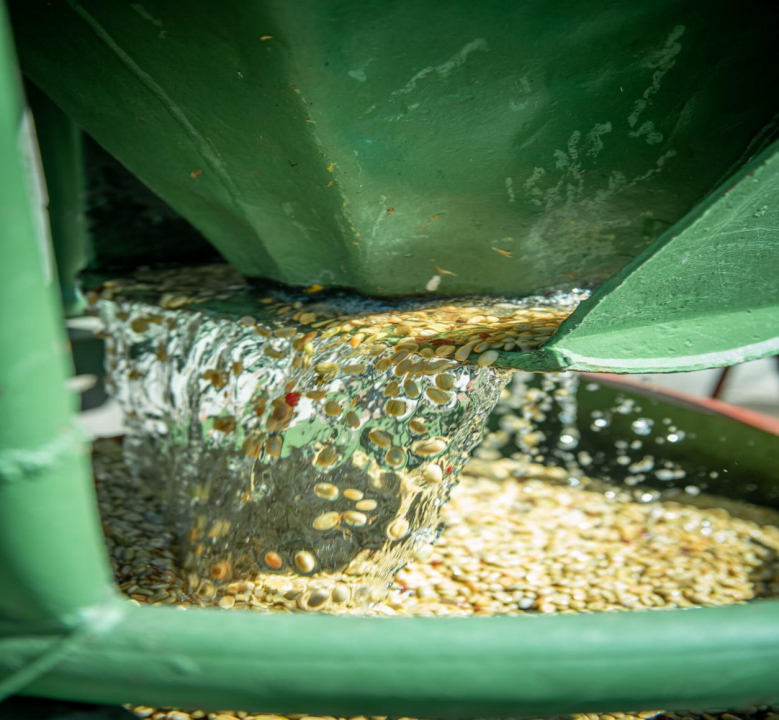
The washed processing method is a technique that removes the mucilage layer through fermentation and washing. Its hallmark is producing coffee beans with a neat appearance, clean flavor, and bright acidity. The overall process can be roughly divided into five main steps: First is the removal of floaters. Coffee cherries are placed in a water tank; unripe or defective beans float, while ripe, dense ones sink. Simply skim off the floaters. Next, a depulper is used to remove the outer skin and pulp, though the mucilage still clings to the seed. The third step is fermentation, where microorganisms break down the mucilage. This process typically takes 12 to 72 hours, depending on climate and processing facility practices. After fermentation, clean water is used to thoroughly rinse off the softened mucilage and fermentation residues. Finally, the beans are dried either mechanically or in the sun until their moisture content drops to 10–14%, then the parchment and silver skin are removed using a hulling machine, completing the washed process.
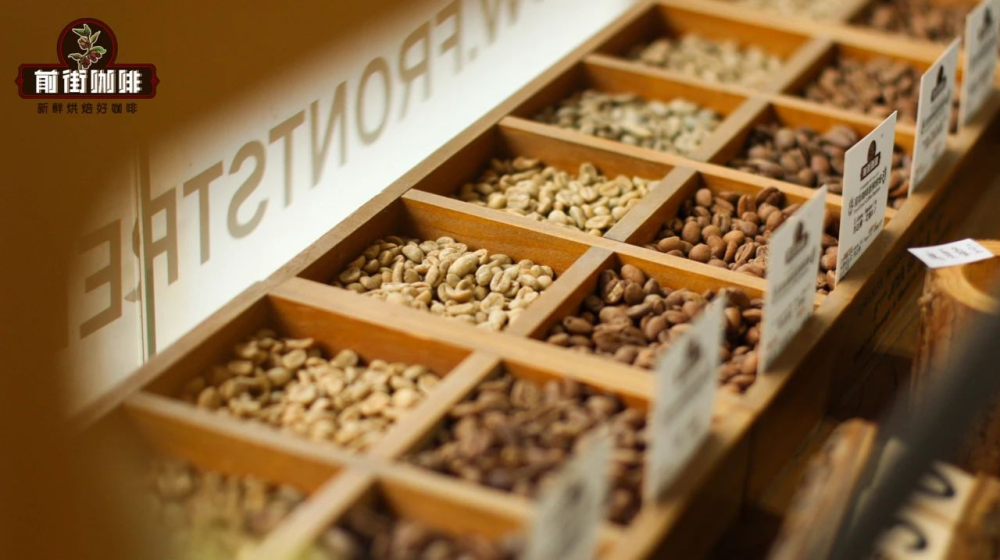
The advantages of the washed process lie in its mostly indoor processing environment, which effectively reduces impurities and the proportion of defective beans. The flavor tends to be cleaner with higher consistency and lower risk of mold. Additionally, since the pulp is removed early on, it saves space and time compared to the natural process. However, this method also has limitations, such as requiring large amounts of water—approximately 40 to 50 liters per kilogram of coffee beans—which is less feasible in water-scarce regions. The process is also more complex and costly overall.
In terms of flavor, the washed process often delivers bright acidity, clear fruitiness, and a clean mouthfeel, making it ideal for highlighting the intrinsic characteristics of the coffee bean. Thanks to the removal of excess impurities during processing, the coffee usually exhibits higher “clarity,” making it suitable for those who enjoy crisp acidity and delicate flavors.
In contrast, the natural (sun-dried) process retains the whole fruit or most of the pulp, drying the fruit and seed together under prolonged sunlight before hulling. This method often brings out richer sweetness, complex fruitiness, and wine-like notes, with a more layered flavor profile. However, the process is harder to control, demands stricter climatic and technical conditions, and carries higher risks of impurities or uneven fermentation.
Take real-world examples: Kenya’s Assaliya washed beans and Yirgacheffe’s Guddu washed beans are both classic representatives of the washed process, yet they differ slightly in origin, variety, and processing details, leading to distinct final flavors. Kenya’s Assaliya employs the local “72-hour washed method,” involving three cycles of 24-hour fermentation and washing to enhance acidity and refinement. With a light roast, it highlights flavor notes of black plum, cherry tomato, and pear. Meanwhile, Yirgacheffe’s Guddu, made from native varieties grown at altitudes of 1,900 to 2,300 meters, presents a washed profile with citrus and black tea freshness, and a creamy, caramel-like warmth in the aftertaste.
In terms of roasting and brewing, Kenya Assaliya, with its full-bodied texture and bright acidity, benefits from a light roast to showcase its nuances, while Yirgacheffe Guddu retains fruitiness and sweetness better with a medium-light roast. For actual pour over brewing, it’s recommended to use a Hario V60 filter, with water temperature around 90°C, a 1:15 coffee-to-water ratio, medium-fine grind, and a multi-pour method to balance acidity, sweetness, and body.
Overall, the washed and natural processing methods each have their unique strengths and flavor expressions. The washed method excels in cleanliness, bright acidity, and stable quality, making it ideal for those seeking a clear flavor profile. The natural method, on the other hand, emphasizes fruitiness, sweetness, and complexity, catering more to consumers who enjoy rich and layered tastes. Understanding these processing differences can help you choose and appreciate different styles of coffee more precisely, further enhancing your sensitivity to and enjoyment of coffee flavors.
The above content is compiled by CoffeeHunters, a coffee news website.


