







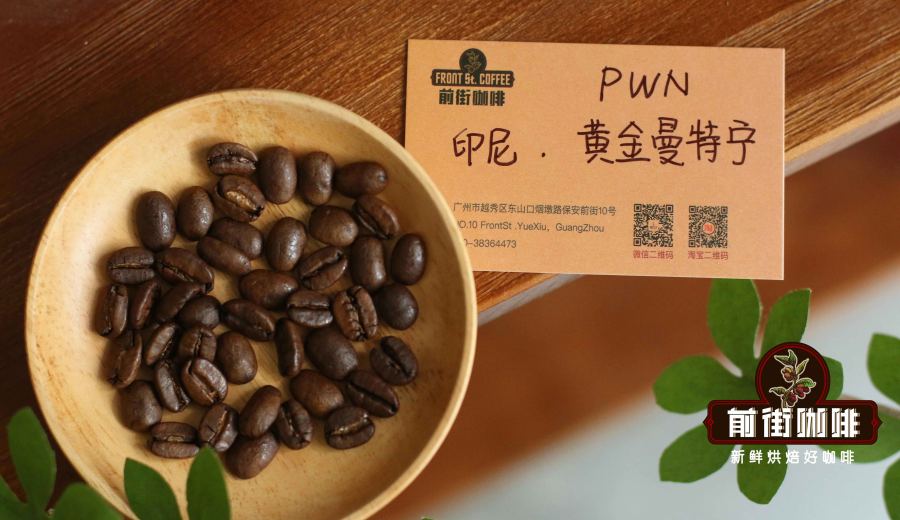
Introduction:Golden Mandheling is considered by many coffee enthusiasts as the representative of premium Sumatran coffee. However, with a variety of versions available on the market, it can often be difficult to distinguish the authentic from the imitation. This article explores the terroir characteristics of Sumatra’s two core producing regions, examines the true origins of Golden Mandheling, the rigorous selection standards of the PWN company, and delves into its varietal background, green bean screening process, and precise brewing parameters. It helps you comprehensively understand how to identify and enjoy a genuine cup of Golden Mandheling—from appearance and certification to flavor.
The name Golden Mandheling is widely circulated among coffee lovers, yet it is also often accompanied by confusion and misconceptions. Why does some Golden Mandheling taste clean and bright, while others exhibit noticeable off-flavors? Which one is the real “authentic” product from Sumatra, Indonesia? This article will take you through the origin of the producing region, the varietal background, the strict selection of green beans, and the brewing methods to help you fully understand this classic Indonesian specialty coffee.
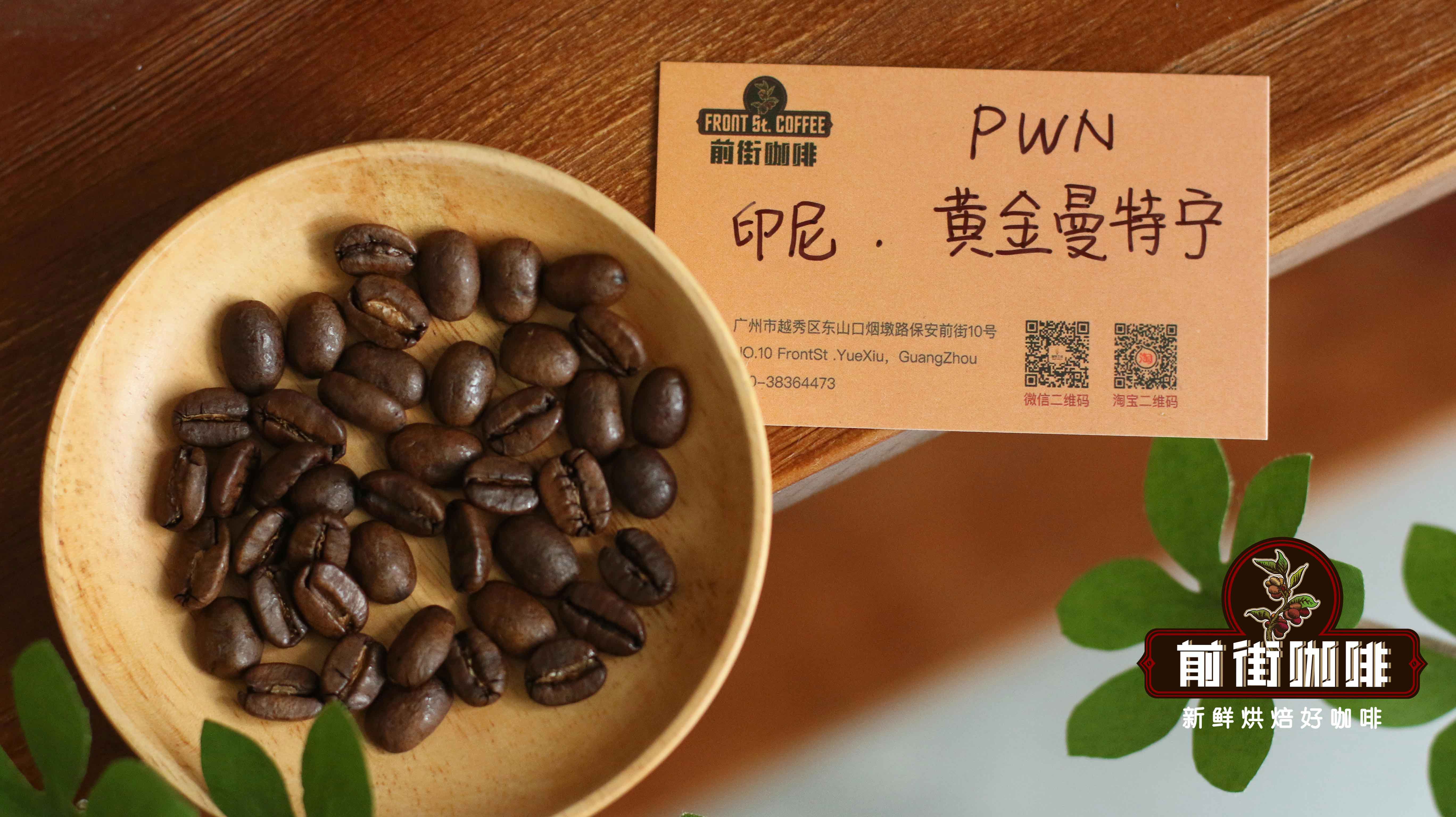
To talk about Golden Mandheling, we must start with Mandheling’s birthplace—Sumatra. This large island located in western Indonesia is one of the world’s renowned Arabica coffee producing regions, primarily divided into two core areas: Aceh Province and the Lake Toba–surrounding region of North Sumatra’s Deli. The area around Lake Toba is the traditional heartland of Mandheling production; after 2005, as the situation in Aceh stabilized, a new producing region around Lake Tawar in the north also began to emerge, with its Mandheling referred to as Aceh coffee. Together, these two areas are known as the “Two Lakes, Two Mandhelings,” and are the source of most Mandheling coffees on the market.
Sumatra’s coffee-growing regions mostly feature fertile volcanic soils and abundant rainfall throughout the year, making them particularly suitable for coffee cultivation. The harvest season for coffee cherries runs from September to April of the following year. Local ethnic groups such as the Mandailing, Batak, and later the Gayo people are the main growers. Additionally, Sumatra is not only a major producer of coffee but also an important base for agricultural products like spices and palm oil.
In terms of varieties, early Indonesian coffee was dominated by Typica, introduced by the Dutch in the late 17th century. However, due to the devastating leaf rust epidemic of 1877, most Typica plants perished. To salvage the industry, Indonesia introduced disease-resistant Robusta, which later became the dominant variety. Other varieties, including Caturra, Catimor, and Timor, were also introduced over time. Among them, hybrid varieties like Ateng (a cross between Catimor and Robusta) became common in the region due to their adaptability to Sumatra’s high humidity and disease-prone environment, as well as their distinctive cedar-like flavor notes.
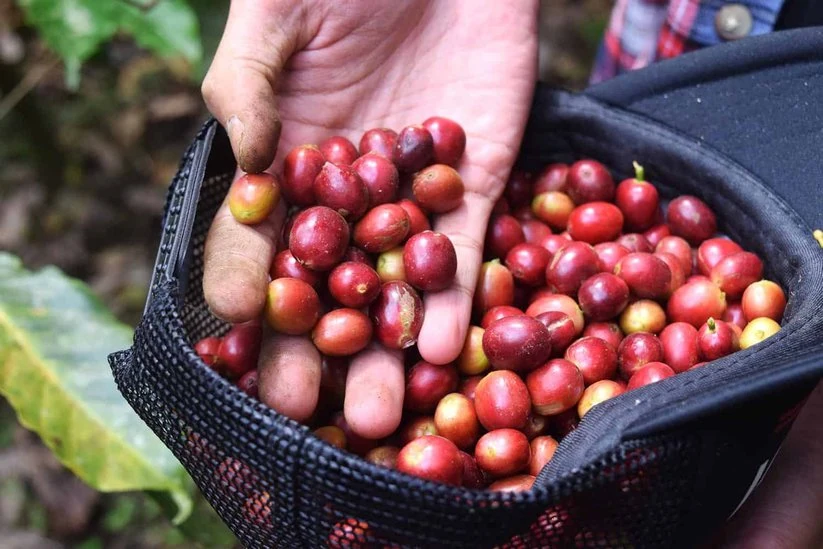
So, how did Golden Mandheling come about? Legend has it that it was first discovered when a group of Japanese traders traveled to Sumatra in search of high-quality Mandheling. They worked with local partners to select batches with excellent appearance and flavor, promoting them under the name “Golden Mandheling.” However, due to trademark registration issues, the original partner company “Pawani” (abbreviated as PWN) was the first to secure the trademark rights for “Golden Mandheling,” prompting the Japanese side to introduce “Dingshang Mandheling” instead. As a result, today only Golden Mandheling produced by Indonesia’s PWN company is the authentic, trademark-certified, and genuine version.
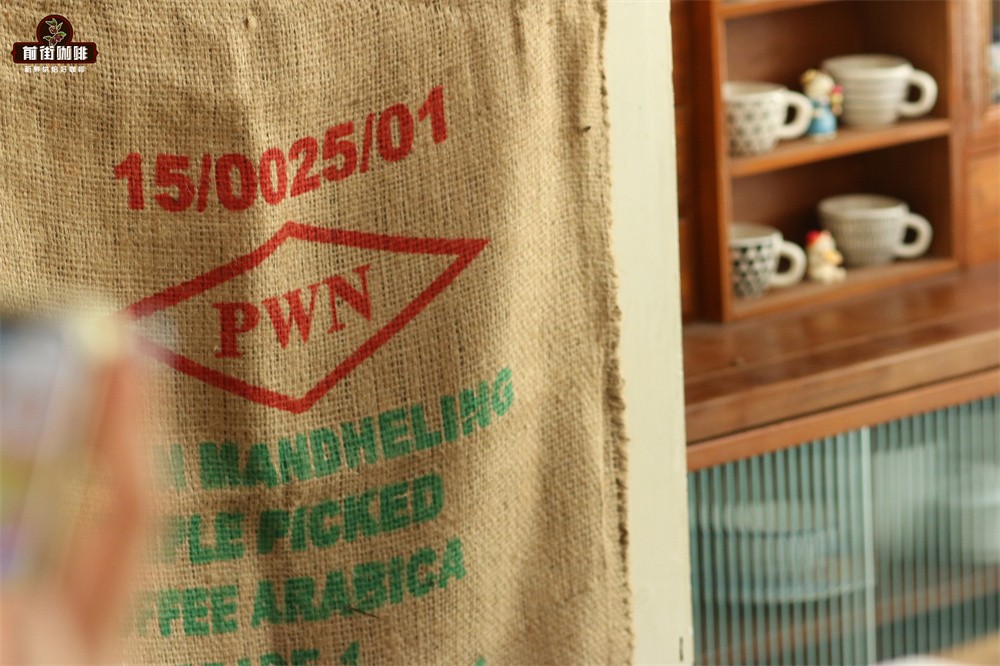
PWN is the abbreviation for Indonesia’s Pawani Coffee Company. Its registered “Golden Mandheling” trademark has made these five words an exclusive designation. Many products on the market that claim to be “Golden Mandheling” may emphasize large bean size and low defect rates, but if they do not display the PWN label or provide relevant certificates and gunny sacks, they are mostly just imitating PWN’s selection criteria. In reality, they are usually just G1-grade 18-screen beans and not true Golden Mandheling. Authentic PWN Golden Mandheling comes with a certificate and a unique number in each sack, and the sacks are 30-kilogram packs—key indicators for authenticity.
As for how PWN selects these specialty beans, the process is extremely rigorous. Indonesia generally uses the wet-hulled processing method, which speeds up drying but can easily damage the beans, causing deformities known as “elephant ears.” PWN not only removes obvious defective beans but also excludes elephant ears, keeping only intact beans. Moreover, they perform at least four rounds of manual sorting, followed by machine sorting based on density and color to ensure uniform bean size and consistent coloration. In total, PWN employs five screening steps for Golden Mandheling, which is key to its pure flavor and minimal defects.
Many products on the market that claim to be “Golden Mandheling” are actually just selected from G1-grade beans that are 18-screen or larger, with at most three rounds of manual sorting. While their appearance may look similar, their flavor complexity and purity often cannot compare to the PWN version. Professional cupping comparisons have shown that even if imitations look alike, their cleanliness and sweetness are noticeably inferior to the genuine product.
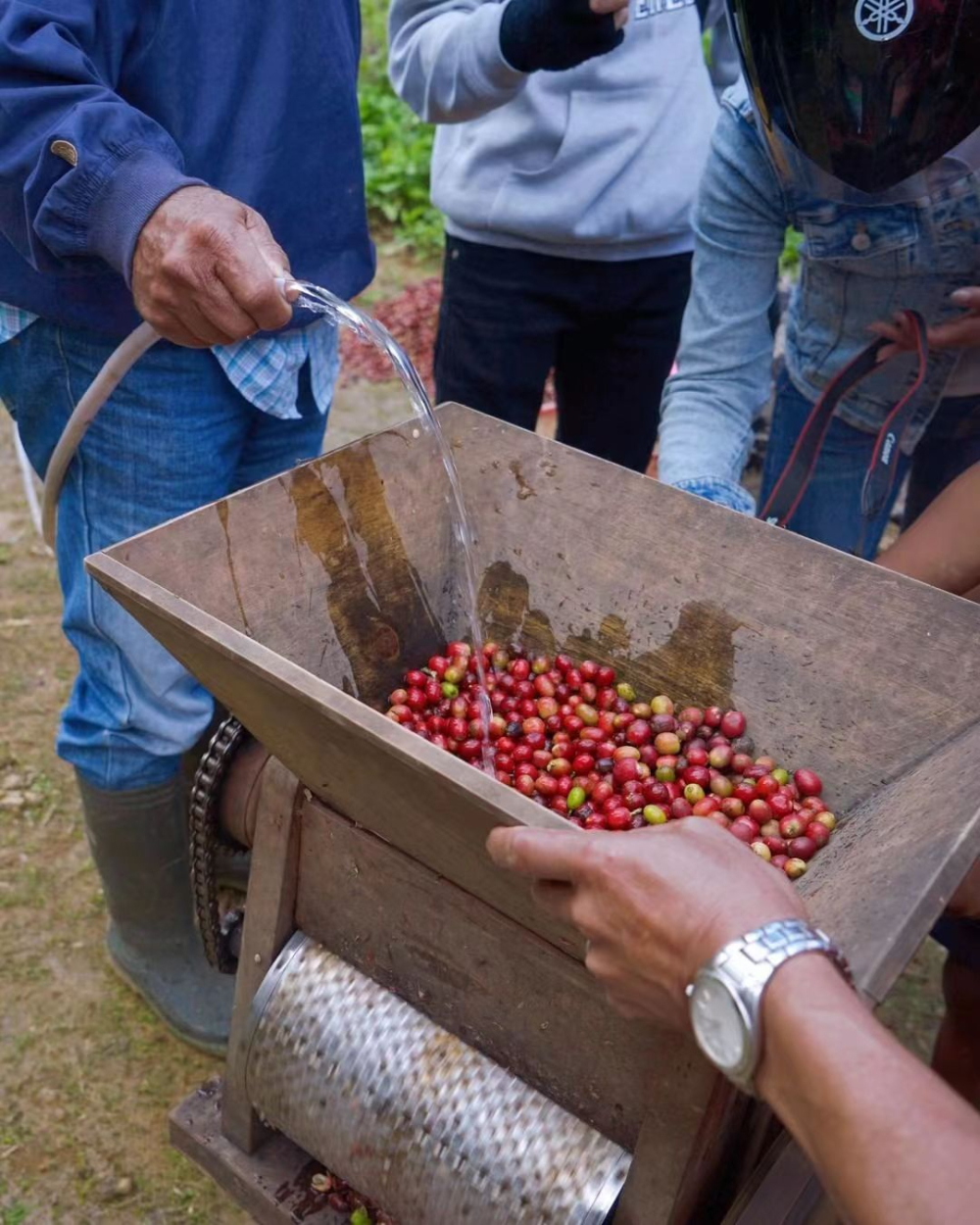
To confirm whether you’ve purchased genuine PWN product, the easiest way is to check for the PWN logo and the factory certificate on the packaging. Legitimately imported PWN Golden Mandheling comes with a certification document issued by PWN, and the sacks prominently display the PWN brand logo—both are key for distinguishing authenticity. Additionally, PWN Golden Mandheling is only available in 30-kilogram gunny sacks, so other packaging formats should raise red flags.
As for the variety used in PWN Golden Mandheling, it is primarily Ateng, also known as the Catimor variety. Catimor is a hybrid of Brazil’s Caturra and Timor, which has Robusta lineage. It is highly resistant to disease and has high-yield characteristics. This variety was introduced to Sumatra around the 1980s and was initially planted in central Aceh, hence it is locally called Ateng, meaning “variety from central Aceh.”
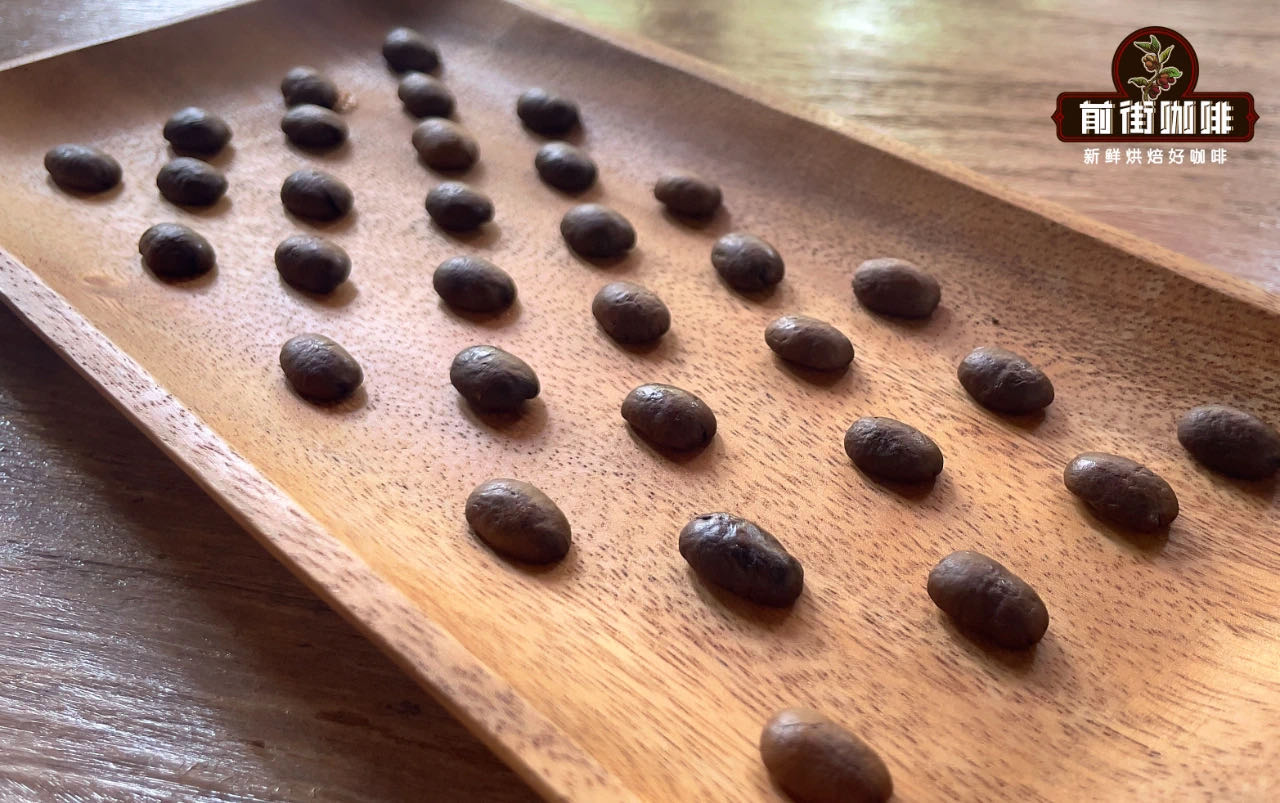
In terms of roasting, a certain coffee brand used the Yangjia 800N roaster, roasting 480 grams of beans using a medium-dark profile. The initial drum temperature was 200°C, with the air vent set to 3. The heat and air vent were then adjusted gradually to control the drying and Maillard reaction processes. The roast was stabilized after first crack and dropped at 204.5°C to preserve rich caramel, chocolate, and spice flavor notes.
For brewing recommendations, a certain coffee brand suggests using a Kono filter cone, with 15 grams of coffee and a 1:15 coffee-to-water ratio. The grind setting is 70% passing through a #20 sieve, and water temperature is controlled at 87–88°C. A three-stage pouring method is used: the first stage is a 30-ml bloom, followed by 100 ml in the second stage, and 95 ml in the final stage. This approach fully highlights Golden Mandheling’s rich sweetness and herbal aroma, while avoiding over-extraction that could lead to bitterness.
Finally, in terms of flavor profile, PWN Golden Mandheling showcases intense sweet herbal, cinnamon, and orange peel aromas. It has a full-bodied mouthfeel with a creamy texture, a pronounced sweetness, and a long-lasting finish of chocolate and nuts. As the cup cools, herbal and spice aromas become more pronounced. Overall, it presents a balanced and layered experience, making it a classic representation of Sumatran coffee.
The above content is compiled by CoffeeHunters, a coffee news website.


