







Introduction:The golden crema on top of an espresso is often regarded as the soul of Italian coffee, but does more crema really mean richer flavor? This article delves into the science behind crema formation, its actual impact on flavor and mouthfeel, and how brewing variables and bean selection influence its appearance. Through real-world examples and observations, we’ll uncover the science behind this layer of foam, debunk common myths, and help you achieve a more precise coffee experience—whether brewing at home or in a professional setting.
Many coffee enthusiasts, upon their first encounter with espresso, are often captivated by the fine, golden to brownish layer of foam on its surface, even believing it to be the essence of espresso itself. This foam, known as crema, not only affects visual appeal but also directly influences the aroma and layered mouthfeel of the entire drink. But does the amount or quality of crema truly equate to the quality of the coffee? And how is it formed? We’ll break it down step by step.
Crema is primarily produced by the release of carbon dioxide during high-pressure extraction, which combines with insoluble oils and fine particles in the coffee grounds to form a dense foam. This phenomenon is especially pronounced under the high-pressure environment of an espresso machine. Even with devices like the moka pot, efforts are made to create a similar crema layer through heat and pressure to mimic the sensory experience of espresso.
Visually, a rich crema often gives drinkers an impression of intensity and richness. When sipping espresso on its own, crema not only enhances the creamy texture but also slows down the evaporation of aromas, making the coffee’s complexity last longer. As crema dissipates in diluted drinks like Americanos or blends into milk-based beverages such as lattes, though less prominent, it still hints at smoothness and subtle sweetness. Therefore, many people prefer medium to dark roasted beans when selecting coffee, to enhance the expression of this crema layer.
For example, three common and representative espresso blend beans—the classic blend based on Mandheling and Brazil beans, enhanced with Robusta for body; a commercial blend combining Brazilian, Colombian, and Vietnamese beans, focusing on balanced aroma and crema; and a daily-drinker blend centered around black cocoa, highlighting nutty and ripe fruit notes—are all choices that can display varying degrees of crema characteristics during actual tasting and brewing. Whether brewed at home via pour over or served in cafes, these blends can produce diverse crema effects based on specific needs.
But a common misconception is: “The more crema, the better the coffee.” In reality, the quality of crema matters far more than the quantity. If the crema layer consists of too many coarse bubbles, it not only looks loose but may also bring an unpleasant roughness, even masking the true flavor profile of the coffee. If these bubbles dissipate too quickly, it indicates instability in the extraction process—potentially caused by issues with grind size, tamp pressure, or pressure settings.
Additionally, freshness is a key factor affecting both the generation and stability of crema. Freshly roasted coffee beans contain a large amount of carbon dioxide. Without proper degassing time (generally recommended at 4–7 days), excess gas can disrupt extraction balance, leading to a loose or overly puffed-up crema structure. It’s worth noting that the peak flavor period of coffee beans typically falls between 45 to 60 days after roasting. Beyond this window, not only may the crema become thinner, but overall extraction performance will also noticeably decline.
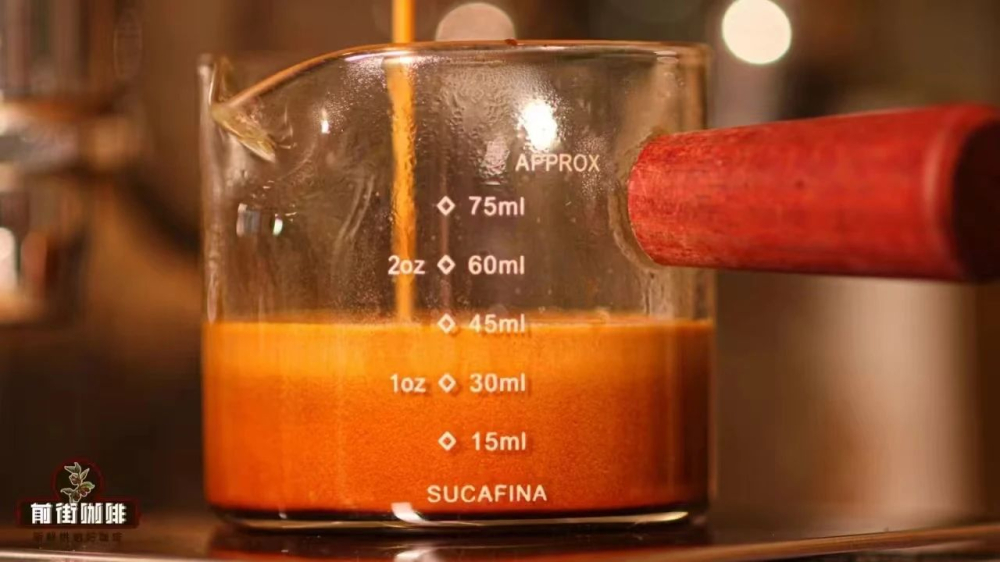
To more直观ly understand crema’s impact on flavor, a practical test showed: comparing the same shot of espresso, one with its crema intact and another with the crema scraped off. The result revealed that the Americano without crema tasted relatively cleaner, with less bitterness and a clearer, more identifiable flavor profile. This is because crema contains not just carbon dioxide and oils, but also some extremely fine coffee particles and impurities. Though nearly invisible to the eye, these particles can introduce additional roughness and a dull bitterness—especially noticeable in diluted coffee.
In summary, coffee crema is indeed one of the defining features of espresso, but it is not the sole criterion for judging quality. Understanding its formation mechanism, mastering brewing variables, and adjusting based on bean characteristics and personal taste preferences are key to truly appreciating the diverse profile of coffee. Whether you’re a beginner or a barista looking to refine your skills, gaining a deeper understanding of the truth about crema will make each brewing experience more complete and satisfying.
The above content is compiled by CoffeeHunters, a coffee news website.


