








Introduction:Cold brew coffee, with its refreshing and smooth characteristics, has become one of the most popular at-home brewing methods in summer. This article delves into the principles of low-temperature slow extraction, explores the relationship between flavor extraction and grind size, and provides practical guidelines on coffee-to-water ratios and refrigeration times. It also offers expert advice and specific operational tips for common questions—such as why the grind needs to be coarser for a stronger extraction, which coffee bean varieties are more suitable for cold brew, and whether Mandheling is a good choice.
On a hot summer day, being able to enjoy a homemade cup of cold brew coffee at home is undoubtedly a simple yet satisfying experience. Cold brew is extracted entirely in a low-temperature environment, which is fundamentally different from common methods like iced pour over or iced americano that involve high-temperature extraction followed by cooling. This low-temperature slow extraction process effectively suppresses the release of bitter substances, but it also means a longer time—typically 6 to 12 hours—is needed to fully extract the essence of the coffee.
The charm of cold brew lies in its usually smoother, cleaner taste with distinct layers, making it highly suitable for those who prefer a refreshing flavor profile. Compared to high-temperature rapid extraction, the slower molecular movement of water in a low-temperature environment means bitter compounds are less likely to be released, while acidic and sweet components can gradually emerge during extended steeping. The generally recommended extraction time is 8 to 12 hours, followed by refrigeration, allowing the coffee to slowly develop a rich yet refreshing flavor in the cold.
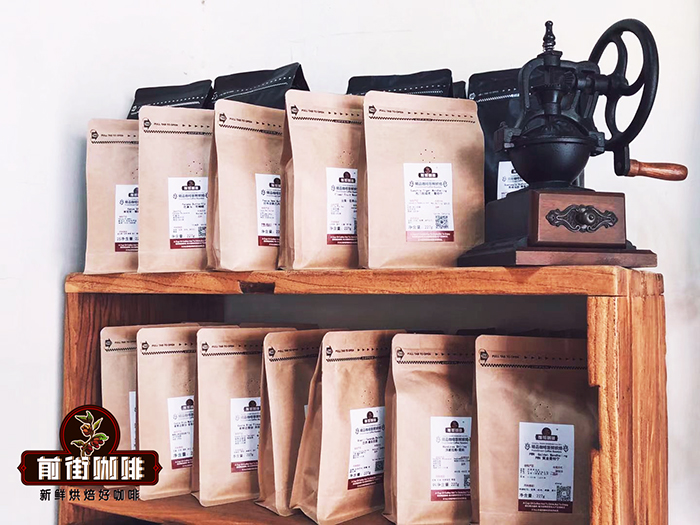
The principle of cold brew is to use time to achieve a balance of flavors. About 30% of the compounds in coffee beans are flavor-active, while the rest are structural components such as lignin and fiber. Within these 30% of flavor compounds, there are various elements including acidity, sweetness, and bitterness, with bitterness also accounting for a non-negligible proportion. The ideal scenario is to extract about 18% to 22% of the flavor compounds—enough to showcase the coffee’s complexity without excessive bitterness.
High-temperature extraction, by accelerating water molecule movement, can bring out a large amount of flavor in a short time, but it can also easily release too much bitterness if not well controlled. In contrast, low-temperature extraction, though slower, can steadily extract acidic and sweet components while suppressing excessive bitterness. However, the downside of this method is that it takes longer, and if steeped beyond 12 hours, lignin and fiber may begin to release, introducing root-like off-flavors that can affect the overall aroma.
When it comes to grind size, cold brew differs from pour over.It is recommended to use a slightly coarser grind than for pour over.For example, if a certain coffee bean uses a grind that allows 80% of particles to pass through a Chinese No. 20 sieve for pour over, you can adjust it to 75% for cold brew, making the particles slightly larger. This reduces the chance of clumping, allows water to more easily penetrate the coffee bed, and improves overall extraction uniformity.
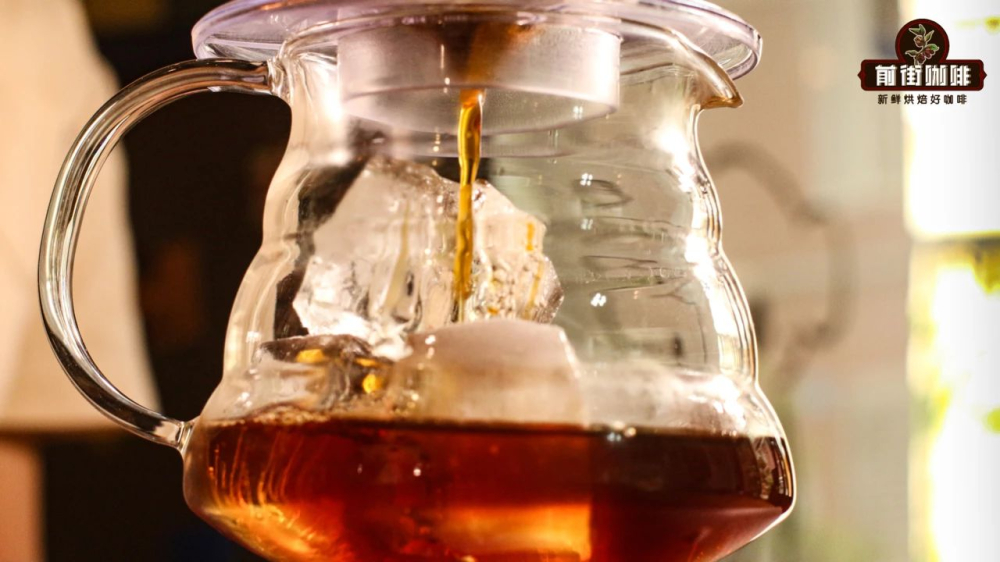
Some readers may wonder why a coarser grind is needed to achieve a stronger cold brew concentration. In reality, when coffee grounds are ground too finely, they are prone to clumping in a low-temperature, static environment, preventing the inner parts of the coffee from fully contacting the water and thus affecting extraction efficiency. Practical tests have shown that using the same beans, same time, and same environment, but only adjusting the grind size,a coarser grind can actually yield a higher-concentration coffee liquid, due to reduced clumping and better water flow.
Making cold brew is actually very simple—you only need a clean, oil-free, airtight container and a filtration tool (such as coffee filters, tea bags, fine mesh strainers, or cloth bags). Mix the coffee grounds evenly with cold water, place it in the refrigerator to steep for 8 to 12 hours, then filter out the grounds and enjoy. A common coffee-to-water ratio is 1:13—for example, using 30 grams of coffee grounds with about 400 grams of water can yield a cup of cold brew with balanced flavor.
When selecting coffee beans, it is recommended to choose beans with pronounced acidity and sweetness and a rich flavor profile. If you prefer light roasts, beans from Africa and Central and South America are usually good choices—for instance, sun-dried beans with berry notes or those with floral-tea characteristics can showcase refreshing fruitiness and delicate layers in cold brew.
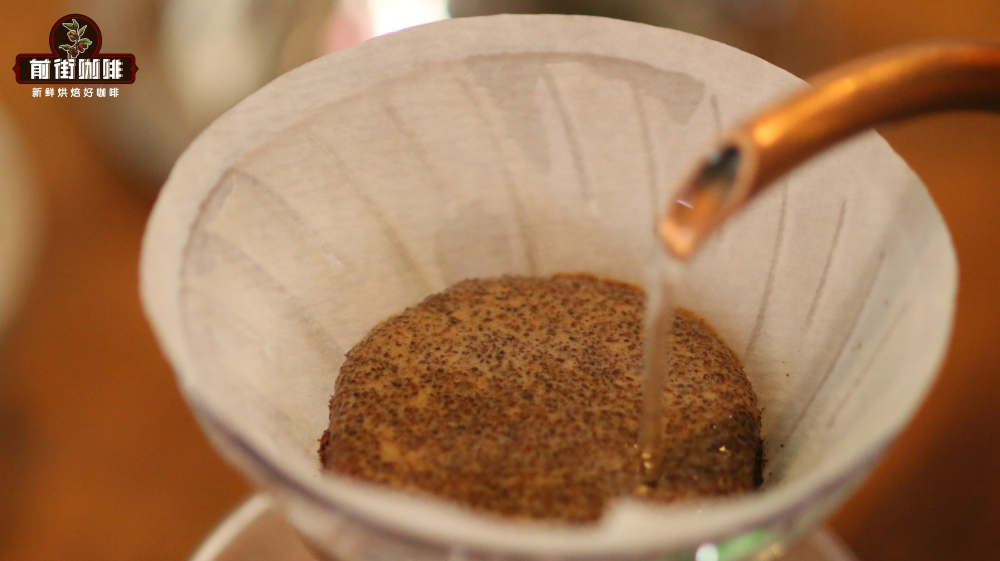
If you enjoy coffee with fermented notes, you can opt for beans with intense fruity aromas, such as those featuring passion fruit, grape, or rose notes. These types of beans often develop a fruit wine-like rich and mellow profile after cold brew, with a textured and distinctive taste. For those who prefer strong black coffee, dark roast beans such as Indonesian Mandheling, Brazilian Yellow Bourbon, or varieties from Papua New Guinea can exhibit nutty, caramel, and spicy notes in cold brew, often with a lingering dark chocolate bitterness and sweetness in the aftertaste—suitable for consumers who enjoy a full-bodied taste.
It’s worth noting that many people emphasize using freshly roasted coffee beans for high-temperature extraction to achieve the best aroma. But for cold brew,it is recommended to choose beans that have degassed for over 10 days, as this helps avoid insufficient flavor due to the suppression of gas release in a low-temperature environment. Freshly roasted coffee beans contain a lot of carbon dioxide right after roasting, which can hinder aroma release. After a period of aging, the gases in the beans gradually dissipate, helping to present a more complete aroma spectrum during low-temperature extraction.
The above content is compiled by CoffeeHunters, a coffee news website.


