








Introduction:Have you ever wondered why some pour over coffees taste rich and full-bodied, while others are as light as water? Body is one of the key factors that influence the overall coffee experience, and it is closely related to factors such as brew ratio, extraction time, filter type, and pouring technique. This article will delve into how you can adjust these variables to brew a more substantial cup of coffee, and recommend several dark roast beans ideal for those seeking bold flavors, helping you find your own preferred level of richness.
When tasting coffee, we often use words like “rich” or “smooth” to describe a good cup, but what exactly does “rich” mean? What about “full-bodied”? These concepts are closely tied to what we call “body” in coffee, or “Body” in English. Body refers to the weight and fullness a coffee presents on the palate, ranging from light as water to thick as milk or even honey.

When describing a great cup of coffee, terms like “bold” and “sweet” are often heard, but what does “bold” mean? What does “full-bodied” signify? What’s the difference between them? The answer lies in the textural feel of the coffee liquid in the mouth. To brew a rich and full-bodied pour over coffee, we can adjust five aspects: roast level, brew ratio, extraction time, filter type, and pouring technique, making each sip layered and substantial.
First, roast level has a significant impact on body. Generally speaking, coffee beans are categorized into three main roast levels: light, medium, and dark. If you’re aiming for a richer, more substantial mouthfeel, medium to dark roasts are usually the better choice. As the roast time extends, more complete caramelization reactions occur inside the coffee bean, releasing complex and robust flavors such as chocolate, toasted bread, nuts, caramel, and cocoa. These flavors often complement a full-bodied mouthfeel, delivering a more solid drinking experience.
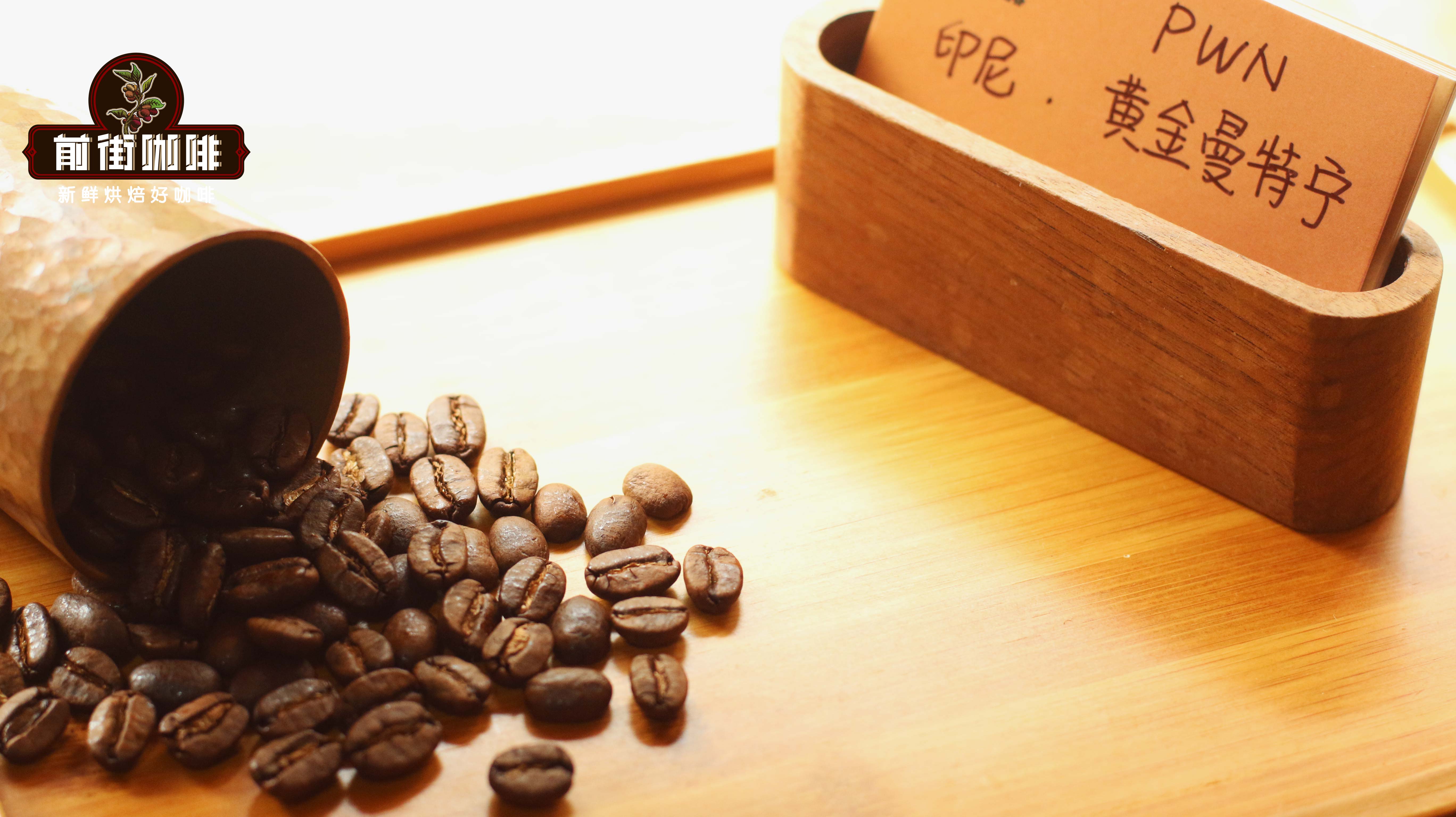
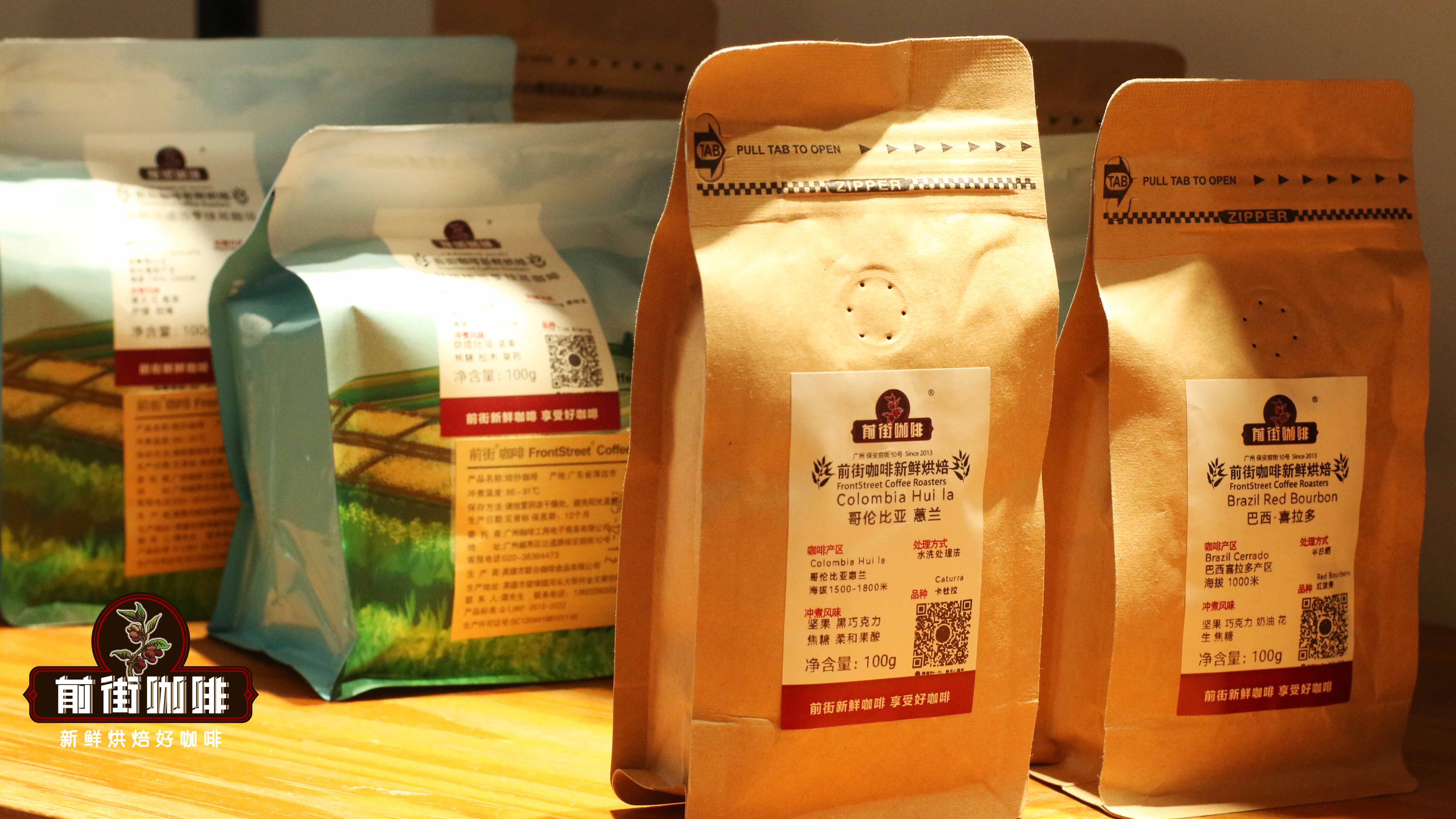
If you prefer a thicker, more viscous coffee, consider these well-rated dark roast beans: Golden Mandheling, which offers a thick mouthfeel with notes of dark chocolate bitterness and spicy aromas; Queen Estate, characterized by roasted peanut, cocoa, and malt aromas; Colombian Huila, with creamy nutty and caramel tones; Yunnan Typica, which has a round mouthfeel and a clean finish; and Honduras Catuai, exuding aromas of buttery toast and chocolate cookies. These beans are all excellent choices for those seeking a full-bodied pour over experience.
So, how exactly is body formed? Simply put, it refers to the weight and fullness a coffee liquid brings to the palate. This is directly related to the concentration of the coffee: the lower the concentration, the thinner the taste; the higher the concentration, the fuller the texture. Especially with dark roast beans, their looser structure allows them to more easily release a robust mouthfeel, which is why they are often considered the go-to option for higher body. However, even when using dark roast beans, improper parameters can still result in a watery brew.
1. Brew Ratio
When adjusting pour over parameters, brew ratio is the first factor to consider. Many professional pour over brewers use a brew ratio between 1:14 and 1:15 when brewing dark roast coffee. If the water amount exceeds 1:15, the coffee concentration can easily become diluted, resulting in a weak mouthfeel. Therefore, 1:15 is a relatively safe and effective baseline for achieving a full-bodied taste.
Of course, everyone’s taste sensitivity varies. If you still find this ratio too light, you can try reducing the water amount further, using a ratio between 1:13 and 1:14 to enhance the coffee’s concentration. However, be mindful that if you still feel under-extracted after adjusting the ratio, the issue may lie in brew time or grind size.
2. Brew Time
If you’ve already tried adjusting the brew ratio but still end up with a weak dark roast coffee, the next thing to check is brew time. If you’re using more than 15 grams of coffee beans but the brew time is only about 1 minute and 30 seconds, it’s likely that the grind is too coarse, causing the water to flow through too quickly and leading to incomplete extraction.
In this case, it’s recommended to adjust the grind to a finer setting, allowing for a longer contact time between water and coffee grounds—ideally reaching a range of 2:00 to 2:30. Extending the brew time moderately helps extract more substances from the coffee, thereby improving the fullness and complexity of the mouthfeel.
3. Filter Choice
When it comes to choosing a filter, many pour over enthusiasts often use the V60. However, for dark roast coffee, the V60’s straight-through structure and fast water flow design can actually lead to under-extraction. This is because the rib design of the V60 allows water to pass quickly, making it more suitable for medium to light roast beans—which require a finer grind to bring out complex flavors. But if the water flows too quickly through the filter, it can easily lead to over-extraction.

On the other hand, dark roast beans have a naturally looser structure, and their flavor compounds are more easily released. Therefore, they are better suited to a coarser grind to avoid over-extraction. In this case, using a fast-draining filter like the V60 can lead to under-extraction, making the coffee taste thin. In contrast, the Kono filter is more suitable for dark roasts: its flow-guiding ribs are mainly concentrated in the lower half, effectively slowing down the water flow and extending the contact time between coffee grounds and water. This achieves a more complete immersion-style extraction, thereby enhancing body and the overall fullness of the mouthfeel.
4. Pouring Technique
In addition to the above parameters, the pouring technique also directly affects the extraction efficiency and taste profile of the coffee. Here’s a special reminder: try to avoid pouring the water stream directly onto the inner wall of the filter. When the water hits the wall, it flows directly into the server without adequately extracting the coffee grounds. This not only reduces the intended extraction but may also dilute the already extracted coffee liquid, ultimately making the entire cup taste thinner and blander.
It is recommended to keep the water flow steady and focus it primarily on the center of the coffee grounds bed when circling the pour. Minimize direct flushing against the walls to ensure every drop of water evenly extracts the essence from the coffee, thereby enhancing the overall sense of body and flavor concentration.

The above content is compiled by CoffeeHunters, a coffee news website.


