







Introduction:As one of Ethiopia’s most iconic specialty coffee regions, Yirgacheffe is renowned for its bright acidity and delicate floral-fruity notes, making it a favorite among pour over enthusiasts worldwide. This article delves into the region’s geography, farming background, and processing method variations. It also explores the flavor profiles of washed and natural processes in detail, while providing practical buying tips and recommended beans to help you find the Yirgacheffe coffee that suits your taste.
Yirgacheffe (Yirgacheffe) is one of the most well-known specialty coffee regions in southern Ethiopia, celebrated for its unique jasmine-like floral aroma, citrus acidity, and tea-like mouthfeel. It holds a distinguished place in the global coffee market. The coffee beans grown in this high-altitude mountainous area are a top choice for many pour over enthusiasts and highly rated by professional cuppers as a representative origin.
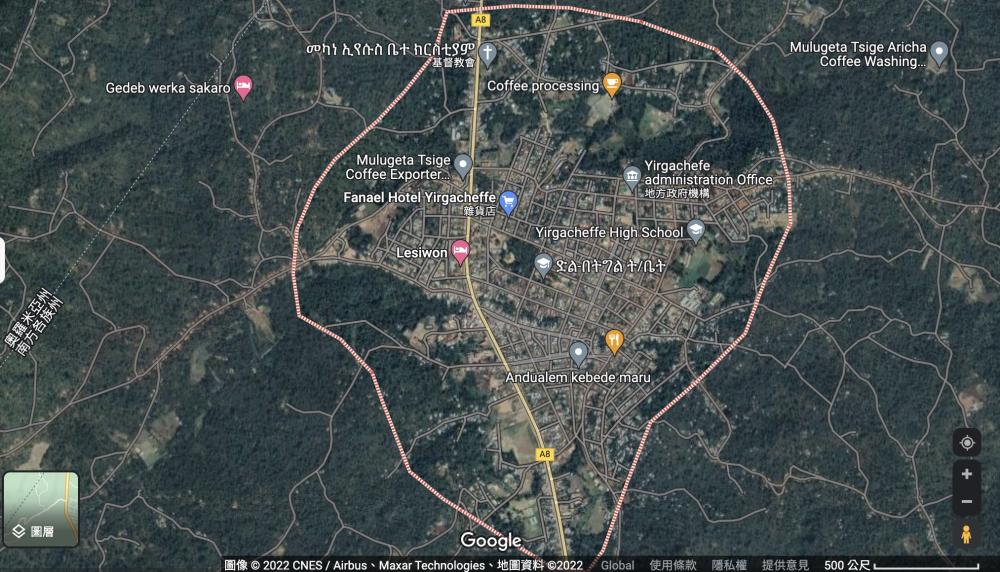
Geographically, Yirgacheffe was originally just a small town in southeastern Ethiopia, administratively part of the Southern Nations, Nationalities, and Peoples' Region. It borders Sidamo to the north and the Guji region to the southeast, with elevations ranging between 1,700 and 2,100 meters. As the coffee’s fame grew, nearby villages and cooperatives with similar flavor profiles were gradually incorporated into the Yirgacheffe region, forming the independent and distinctive origin we know today.
The coffee-growing culture in Yirgacheffe has a long history. Coffee trees were first introduced by European missionaries and later cultivated and managed by local farmers. The region is primarily composed of numerous smallholder farms and cooperatives, with most cultivation carried out through family-run backyard farming methods. It is common to intercrop with other plants, resulting in relatively low yields but maintaining high quality and diversity.
It is worth noting that Ethiopia possesses the world’s richest coffee genetic resources. However, due to the vast number of varieties and incomplete classification, the government typically does not disclose detailed information to protect native coffee genetics. As a result, including Yirgacheffe, most locally produced coffee is broadly categorized as “Heirloom,” which refers to a group of mixed varieties with unique local genetic traits.
One of the key factors influencing the flavor of Yirgacheffe coffee is the different post-harvest processing methods. The most common methods are washed and natural, both of which show significant differences in aroma, sweetness-acidity balance, and body—serving as important reference points when selecting beans.
Among them,Washed Processemphasizes clean, bright acidity and distinct floral-fruity characteristics. In this process, freshly harvested coffee cherries are first floated to remove unripe ones, then depulped to remove the skin and flesh. Next, they are placed in fermentation tanks to remove the mucilage, followed by washing and even drying. This method often highlights more prominent citrus, berry, and tea-like clean aftertastes. The acidity is sharp yet layered, making it ideal for coffee lovers who prefer a refreshing taste.
If you prefer sweet, rich coffee with intense fruitiness and fermented flavors, thenNatural Processmight be more to your liking. This method involves drying whole coffee cherries directly on raised beds under the sun. During this slow drying process, the fruit flesh and seeds ferment together for up to 20 days or more, requiring strict control of temperature and turning frequency. Natural beans often exhibit tropical fruit, honey, and creamy smooth textures, along with a rounder, fuller sweetness.
Taking actual bean examples,the washed Yirgacheffe Gedeb Cooperative beans, grown at altitudes of 1,900–2,000 meters from Heirloom varieties, are processed using standard washed methods. Cupping often reveals bright citrus, passion fruit, and berry acidity, with a tea-like and almond tone upon entry. The finish is sweet without being cloying, featuring clear and layered flavors—making it one of the representative washed Yirgacheffe coffees.
Meanwhile,the natural Red Cherry beans, from the Aricha Processing Factory at around 2,300 meters altitude, also from Ethiopian native varieties. After prolonged natural sun drying and fermentation, these beans offer intense citrus and berry aromas, paired with honey and creamy body, along with a pronounced and lingering sweetness. They are ideal for those who enjoy bold fruitiness and balanced sweetness.
When selecting Yirgacheffe coffee beans, it is recommended to pay attention to the following aspects: first is theprocessing method(washed or natural), which determines the overall flavor foundation; next is thealtitude(generally, the higher the altitude, the brighter the acidity and more complex the flavors),roast level(light to medium roasts better preserve original flavors), and theroast dateof the beans purchased (it is advised to choose beans roasted within 1 to 2 weeks for optimal extraction flavor).
If you are looking for a trustworthy purchasing channel, it is recommended to choose single-origin-focused roasters. Ensure the beans are freshly roasted, clearly labeled with origin, processing method, and roast date, and refer to actual cupping descriptions whenever possible—this way, you can find the Yirgacheffe coffee that best matches your taste.
The above content is compiled by CoffeeHunters, a coffee news website.


