







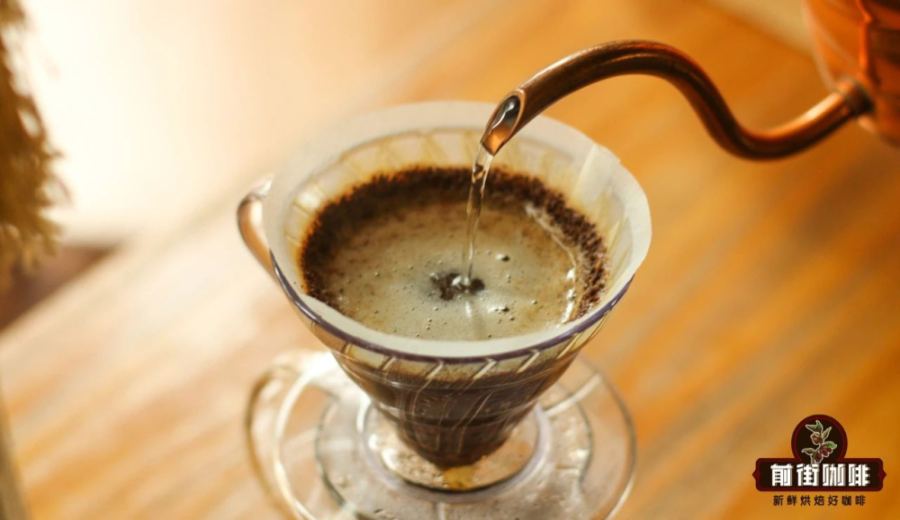
Introduction:Not sure where to start when buying coffee beans? This article selects seven representative coffee beans, covering everything from bright fruity acidity to rich and bold bitterness—encompassing the mainstream preferences in the market. With detailed flavor descriptions, recommended user profiles, and brewing methods, it helps you quickly identify your personal taste preferences, reduce trial-and-error costs, and find the one that suits you best.
For beginners just getting into specialty coffee, facing a wide variety of coffee bean options can often be overwhelming. This article has curated seven uniquely distinctive coffee beans, with flavors ranging from fresh fruity acidity to deep, rich richness—covering nearly all common drinking preferences. Whether you enjoy floral-fruity notes, mellow nutty-chocolate tones, or prefer dark-roast coffees with intense fermentation characteristics, you’ll find corresponding recommendations in this selection guide. Each coffee bean comes with a detailed flavor profile, suggested drinker profiles, and suitable brewing methods, helping you easily avoid unsuccessful trials and quickly zero in on your ideal flavor.
Finding the coffee bean that truly suits your taste among the many options can indeed be a big challenge for beginners. This article will introduce you to several common coffee bean processing methods and their flavor profiles—from bright and light to heavy and bold, from high acidity to low bitterness—introduced in the progressive order of the flavor wheel. This allows you to more accurately select the coffee that best matches your personal taste preferences.
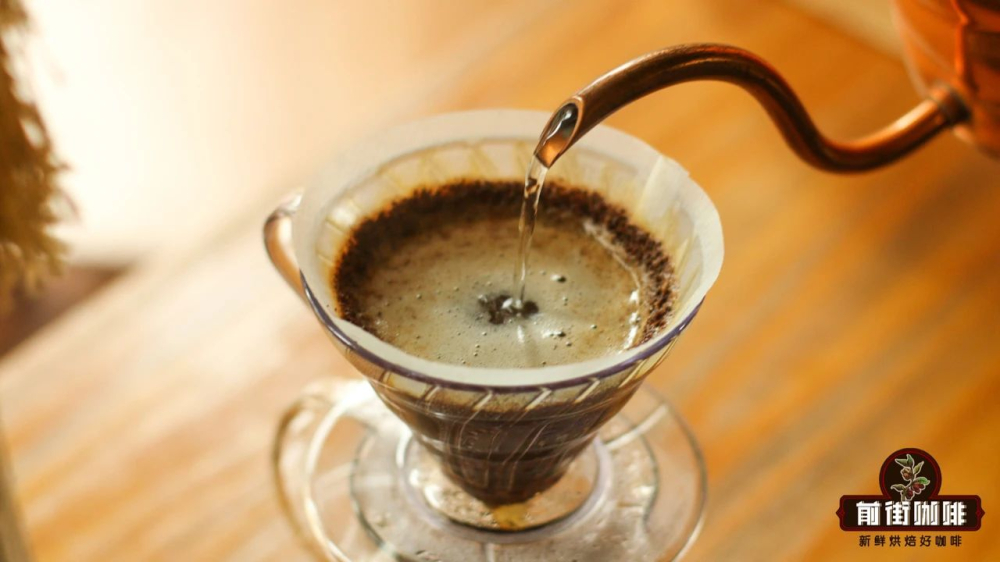
The first recommendation is sun-dried Ethiopian coffee beans, represented by “Hambela” (also known as "Huandao" or "Huandao No.1", often translated as 花魁). These beans showcase distinct rose floral aromas, along with a sweet-tart flavor reminiscent of strawberries, and a finish that exudes a brandy-like winey note. The overall fruit character is rich and layered, with a bright and lively acidity. This type of bean is particularly suited to those who dislike bitterness and prefer fruity acidity and a refreshing mouthfeel. It is recommended to brew using the pour over method to better highlight its complex fruitiness. However, using an espresso machine or moka pot for extraction may not fully bring out its delicate fruit aroma.
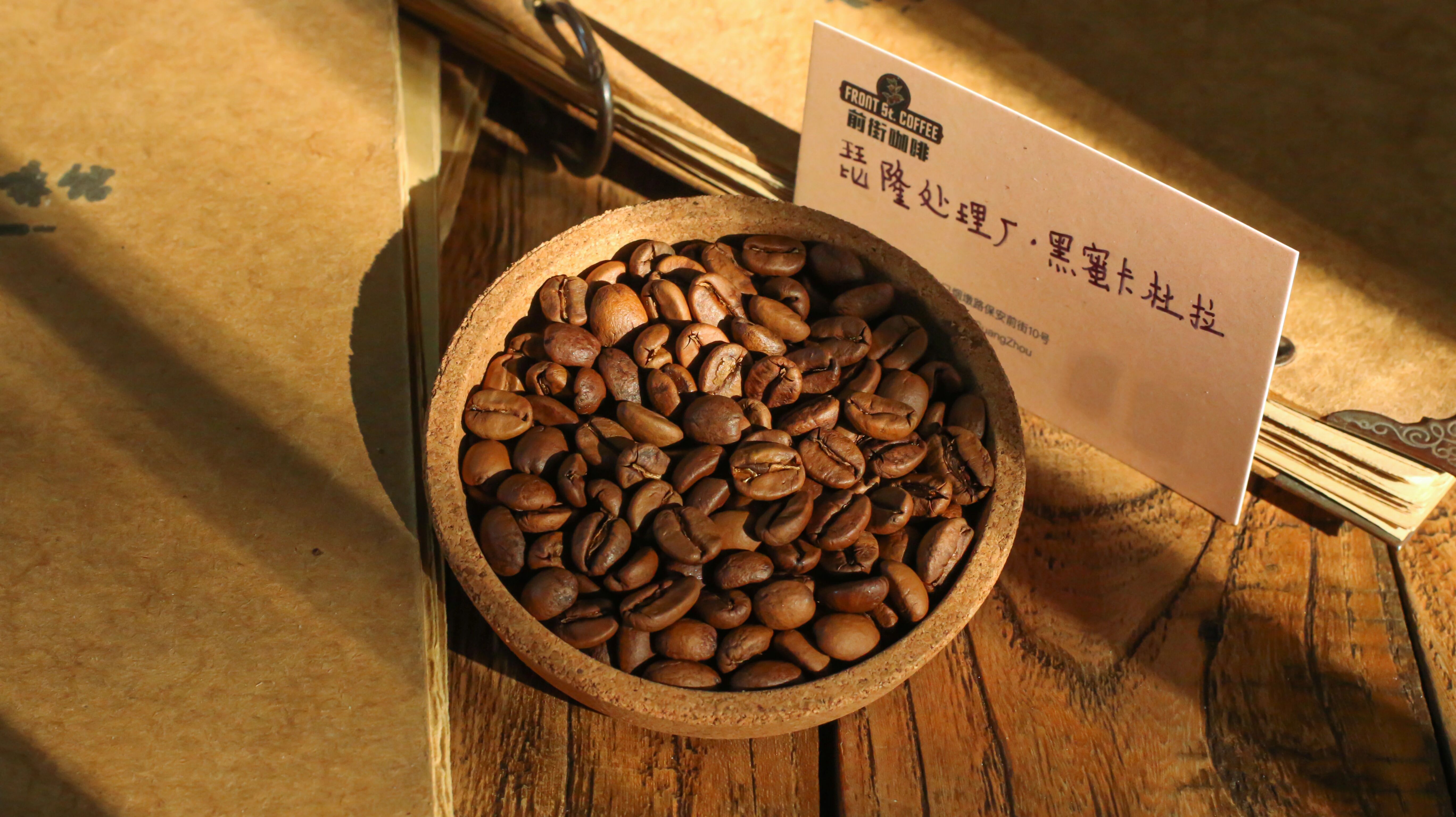
Next is the Costa Rican coffee bean processed using the black honey method, exemplified by “Blackberry.” This bean offers a sweet taste that blends longan, grape, and honey flavors, with delicate floral notes, a smooth and rich entry, a long-lasting aftertaste, and an outstanding sweetness. These flavor characteristics are more suitable for drinkers who do not enjoy strong acidity but still seek layers and lingering sweetness—those who prefer a balanced coffee experience that is neither too acidic nor bitter, but smooth and rounded. For this bean, it’s recommended to use a medium-light roast and the pour over method, which can fully bring out its sweet honey and dried fruit tones.
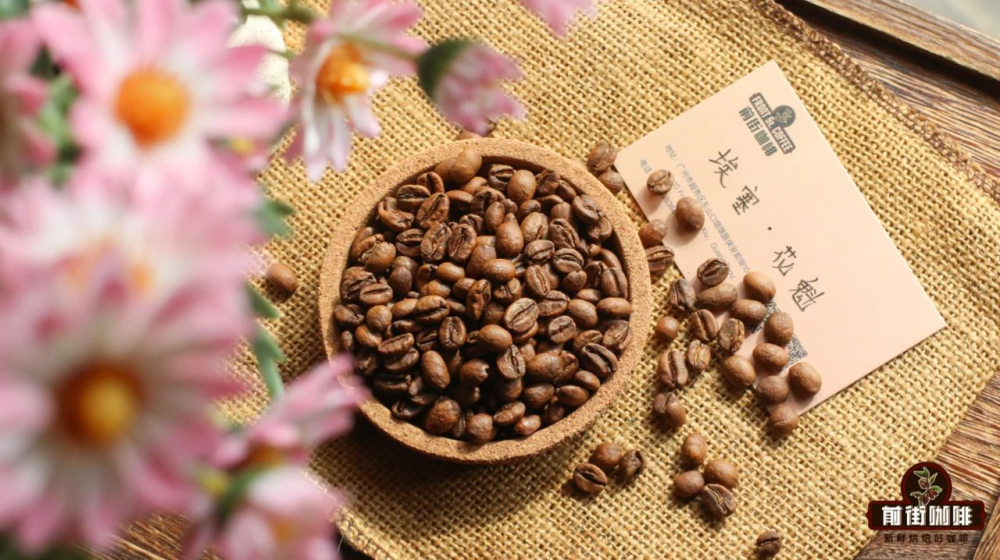
The third is the Brazilian semi-washed “Cerrado Red Bourbon” coffee bean, known for its chocolate-like richness and nutty sweetness—it’s a representative of nut-toned coffees. This type of bean has extremely low acidity, gentle bitterness, and is suitable for those who do not like acidity, can tolerate a slight bitterness, but don’t want to experience herbal or earthy notes. It is generally recommended to add milk or sugar, or use it as a base for coffee desserts, showcasing its strong caramel and nutty flavors. Brewing with a French press or moka pot can both effectively highlight its rich qualities.
The fourth is the Indonesian coffee bean processed using the wet-hulled method, the “PWN Golden Mandheling.” It carries on the classic bold body of Mandheling but reduces the commonly found herbal or earthy tones, instead highlighting the sweetness of dark chocolate and caramel. This bean is extremely well-suited for those who absolutely cannot tolerate acidity, prefer a thick and full-bodied mouthfeel, and enjoy a distinct caramel sweetness in their black coffee. Golden Mandheling enjoys a “godfather-level” status in the specialty market, with stable flavors and rich layers, presenting an elegant character that is distinctly different from traditional Mandheling. It is recommended to use the pour over or siphon method to more fully express its delicate layers of chocolate and sugar aroma.
The fifth is an espresso blend designed specifically for espresso, named “Strawberry Candy,” featuring nutty and chocolatey tones, extremely low acidity, and high intensity. When paired with milk, it even more prominently showcases the essence of coffee’s richness. This bean is very suitable for consumers using espresso machines or moka pots to make milk-based coffees—it is not only stable but also easy to control in extraction, fully bringing out its milk fusion characteristics. A medium-dark roast is recommended, perfect for daily lattes or cappuccinos in the morning.
The sixth is a classic espresso blend suitable for everyday drinking, with a traditional flavor orientation centered on nuts and chocolate. It has a soft mouthfeel, is neither acidic nor bitter, and has ample sweetness—it’s an almost “can’t-go-wrong” all-around choice. This bean is highly suitable for beginners or undecided drinkers, whether with milk or black, hot or cold. It demands little in terms of brewing skills or equipment and is suitable for all kinds of situations. You could say it's as stable and practical as a pair of jeans and sneakers in your wardrobe—making it the top choice for newcomers.
The last one is the “Sidama” (希爪) coffee bean with intense fermentation flavors, showcasing diverse aromas such as passionfruit, grape, apricot, and citrus. The finish carries a slightly intoxicating fruity sweet wine sensation, blended with the sweetness of chocolate. This bean is especially suitable for those who enjoy iced coffee, cold brew, or prefer fruit wine and fermented flavor profiles. It is recommended to brew using the pour over or cold brew method to maximally present its complex layers of fruit and wine aromas—a choice that can bring surprises and enjoyment.
The above content is compiled by CoffeeHunters, a coffee news website.


